In the geopolitical theater of May 2026, the battle for semiconductor supremacy is no longer confined to the design labs of Silicon Valley or the cutting-edge foundries of TSMC in Taiwan. It is being fought, as it turns out, in classrooms and vocational training centers. As President Trump concludes a pivotal two-day summit in Beijing with Chinese leader Xi Jinping, the headlines are dominated not just by discussions on AI "guardrails" or the export of Nvidia’s formidable H200 chips, but by a desperate internal cry from the American industry itself.
SEMI and the Workforce Chasm
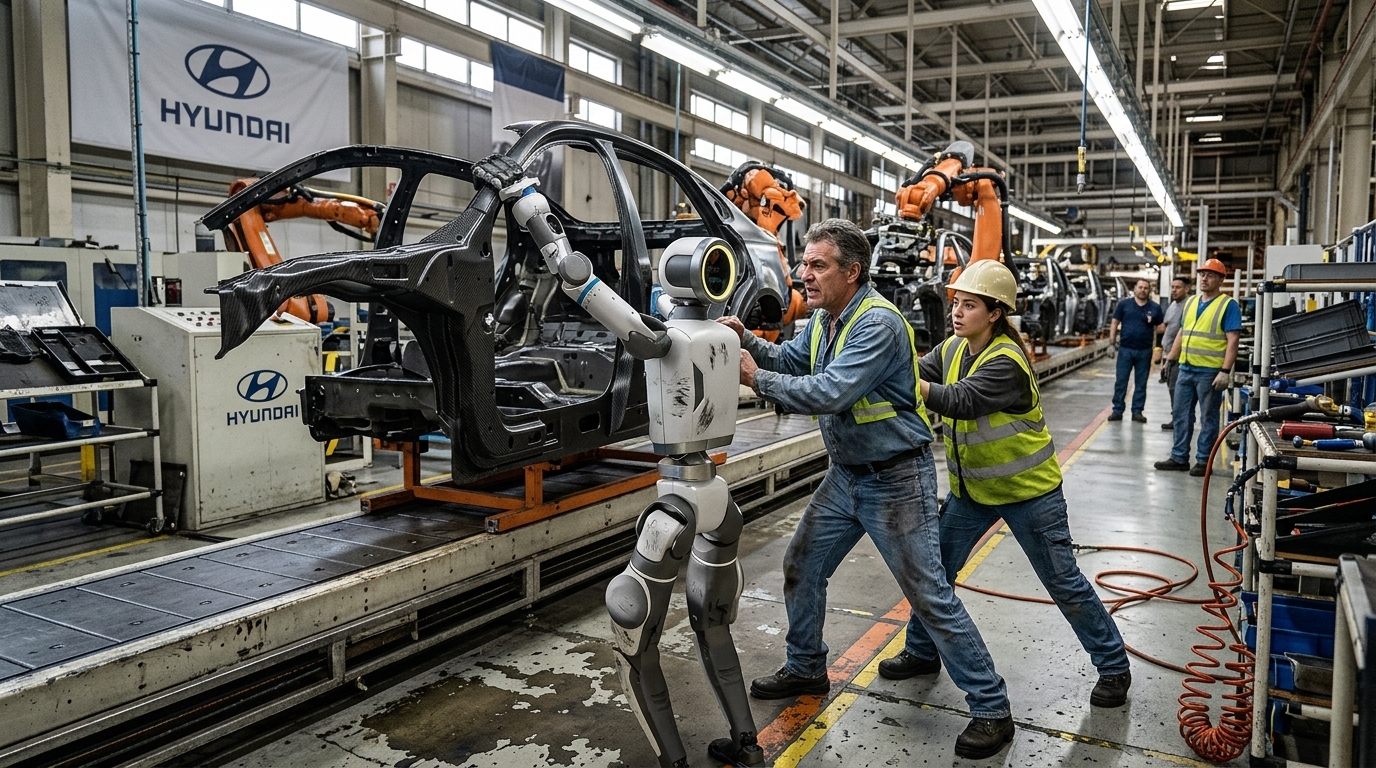
Shari Liss, Vice President of Global Workforce Development at SEMI, speaking on Bloomberg Tech, highlighted a critical structural weakness. The US semiconductor sector is facing an existential threat that stems not from external competition, but from a profound shortage of human capital. Despite the massive financial injections triggered by the CHIPS Act, the construction of physical infrastructure—the multi-billion dollar "fabs"—is progressing at a pace that the educational pipeline simply cannot match.
According to SEMI, the demand for technicians, engineers, and researchers has reached emergency levels. This is not merely about PhD researchers designing 2nm architectures; it is about the skilled technicians required to operate complex lithography machines and manage cleanroom environments. Liss emphasized that talent attraction must begin as early as middle school, fostering a new generation that views semiconductors as a prestigious and viable career path rather than an obscure industrial process.
The Diplomacy of H200 and the Beijing Summit
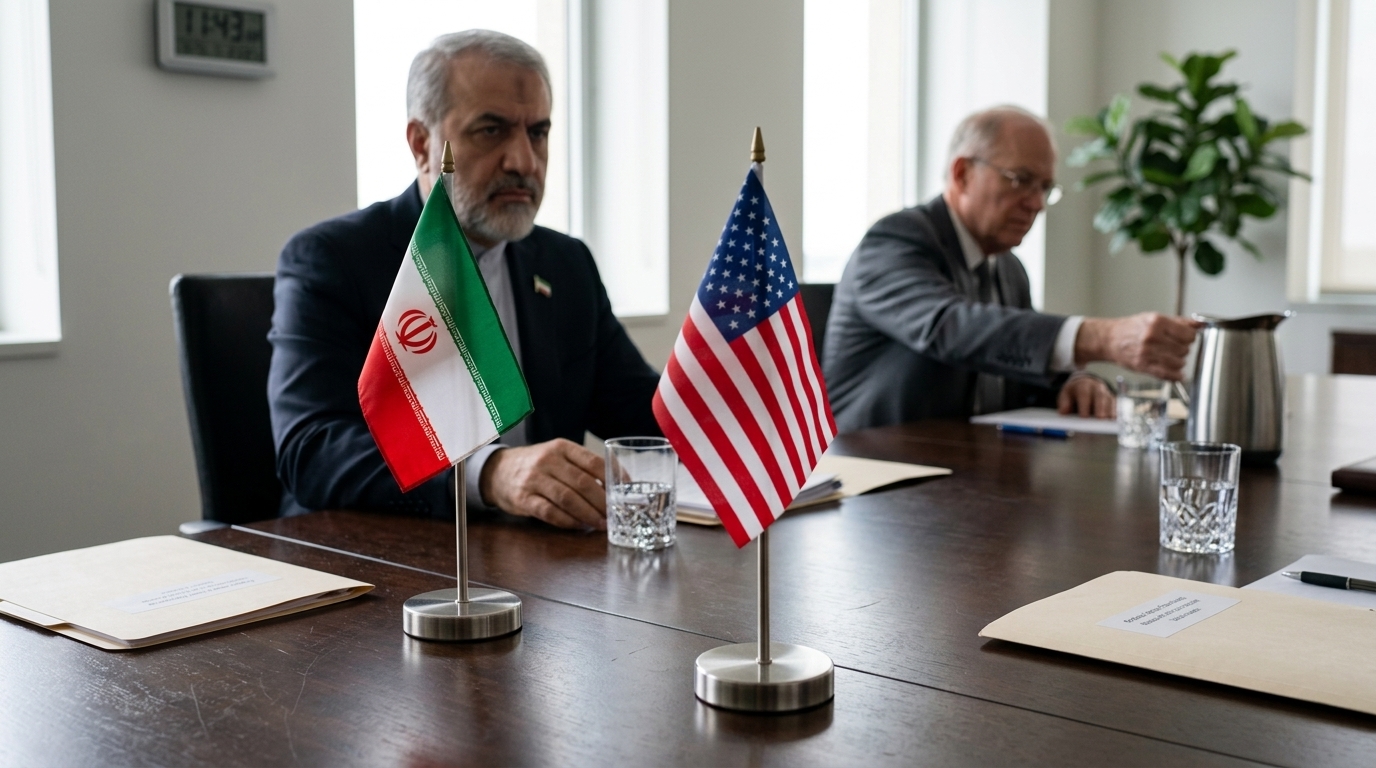
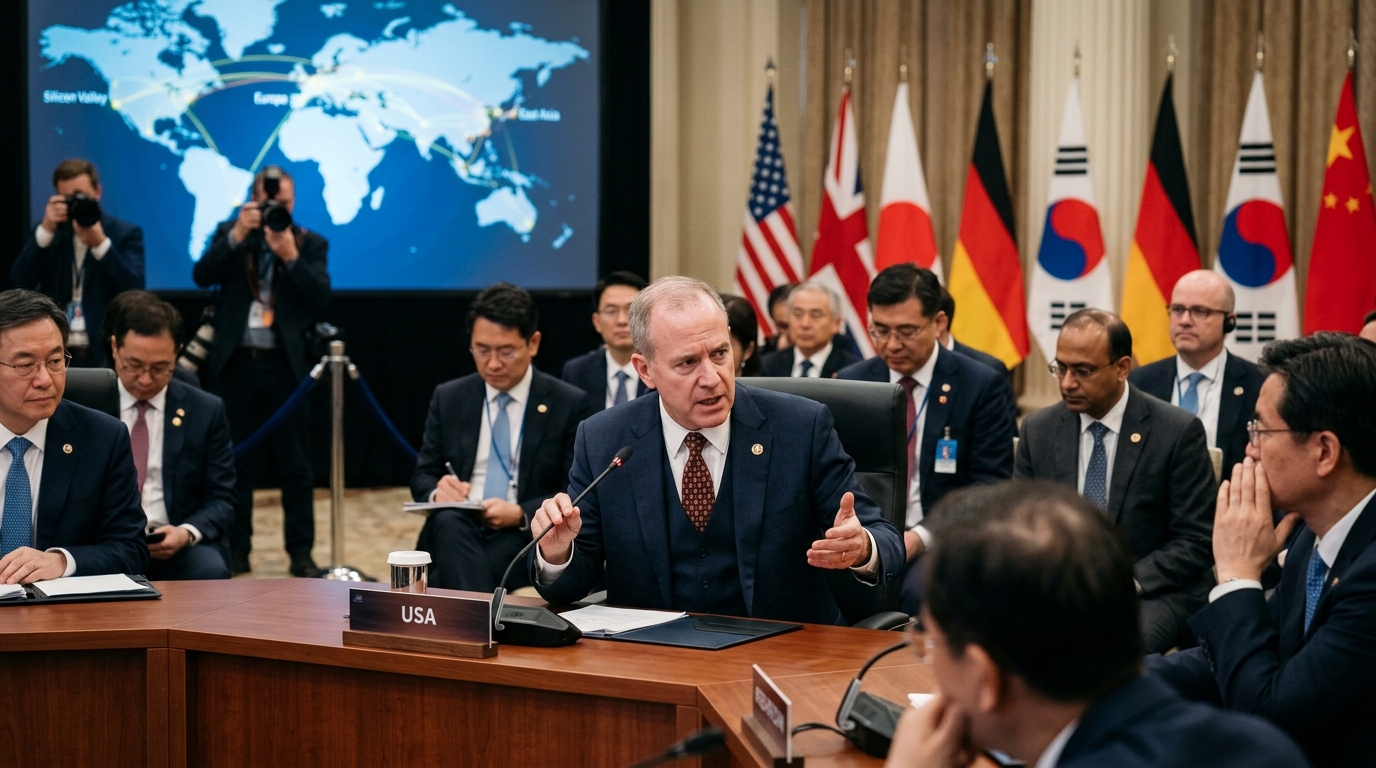
Simultaneously, the Trump-Xi meeting underscores the complexity of this technological tug-of-war. President Trump reportedly discussed tightening restrictions on China’s access to Nvidia’s H200 chips, which serve as the backbone for modern generative AI. An "America First" strategy in technology requires not only producing these chips on US soil but also ensuring that the underlying intellectual property is fiercely guarded.
"We cannot build $20 billion facilities and simply hope that workers will magically appear at the doorstep," industry analysts warn.
The dialogue regarding AI guardrails is inextricably linked to hardware. If the US fails to staff its own factories, the reliance on Asian supply chains will persist, potentially compromising the national security objectives discussed in Beijing. China, conversely, is investing heavily in domestic education, churning out a massive volume of engineers ready to power its own drive toward chip self-sufficiency.
The Paradox of Immigration and Education
One of the most contentious issues arising is immigration policy. While the current administration's rhetoric often focuses on border security, the semiconductor industry is practically begging for streamlined visa processes for STEM graduates from US universities. Shari Liss pointed out that the domestic talent pool is currently insufficient to meet the projected demand. A holistic approach that combines domestic educational reform with the strategic recruitment of global talent is now seen as a necessity, not an option.
The United States stands at a critical juncture in 2026. This year is being viewed as "Year Zero" for the actualization of the CHIPS Act's promises. If there isn't a radical shift in vocational training and technical education within the next twenty-four months, the massive facilities being erected in Arizona and Ohio risk becoming hollow monuments to industrial ambition, lacking the human intelligence required to operate them. Geopolitical power in the 21st century is no longer measured solely by military might, but by transistors and, more importantly, the people who possess the skill to master them.