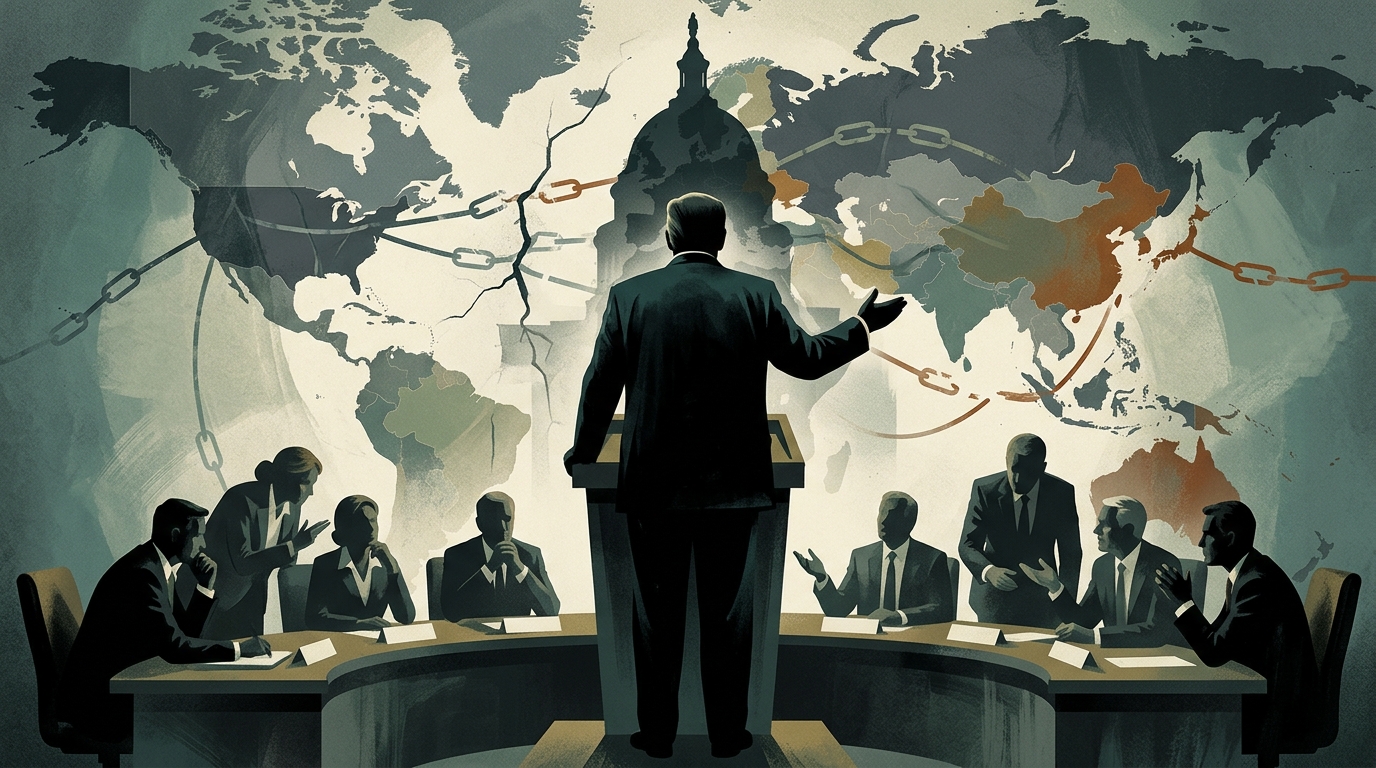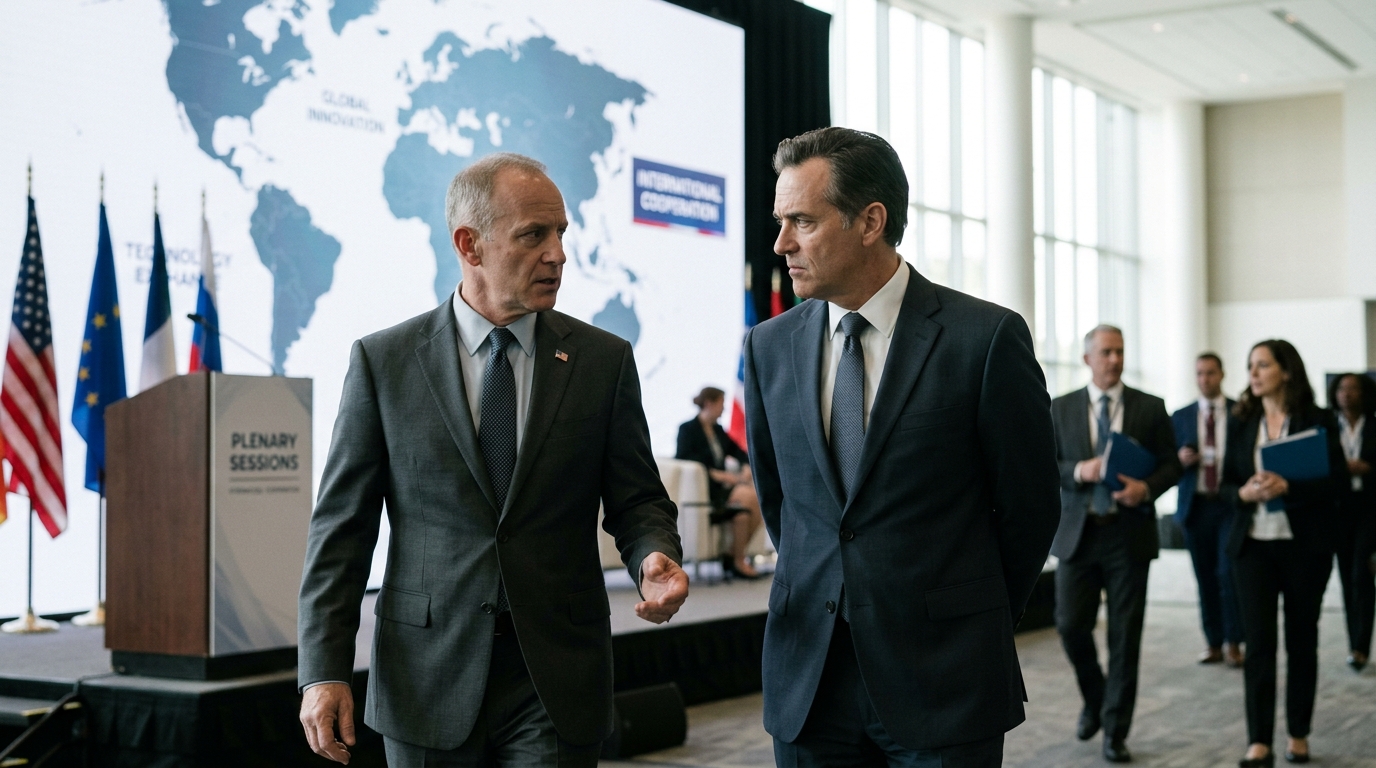
In the high-stakes corridors of Washington D.C., a profound and largely invisible "turf battle" is unfolding, one that will dictate the trajectory of American technological hegemony for the next century. On one side, the U.S. intelligence community—spearheaded by the CIA and NSA—is demanding unprecedented oversight over artificial intelligence models, viewing them through the lens of national defense. On the other, the Department of Commerce is fighting to maintain its jurisdiction, arguing that heavy-handed regulation will cripple the very innovation that gives the U.S. its competitive edge.
National Security First: The Intelligence Mandate
For the U.S. spy agencies, the rise of Large Language Models (LLMs) represents a dual-use threat comparable to nuclear technology in the 1940s. Recent classified assessments suggest that advanced AI could drastically lower the barrier for non-state actors to develop biological pathogens or execute sophisticated cyber warfare. Consequently, the intelligence community is pushing for a "security-first" framework where the government holds the keys to model deployment.
This push aims to expand the definition of "controlled technologies." If the intelligence community wins more sway, AI developers might find themselves subject to the same stringent export controls as fighter jet engines or advanced encryption. The argument is simple: in an era of existential technological risk, the free market cannot be the sole arbiter of who gets access to the world’s most powerful algorithms.
The Commerce Counter-Offensive: Economic Dynamism
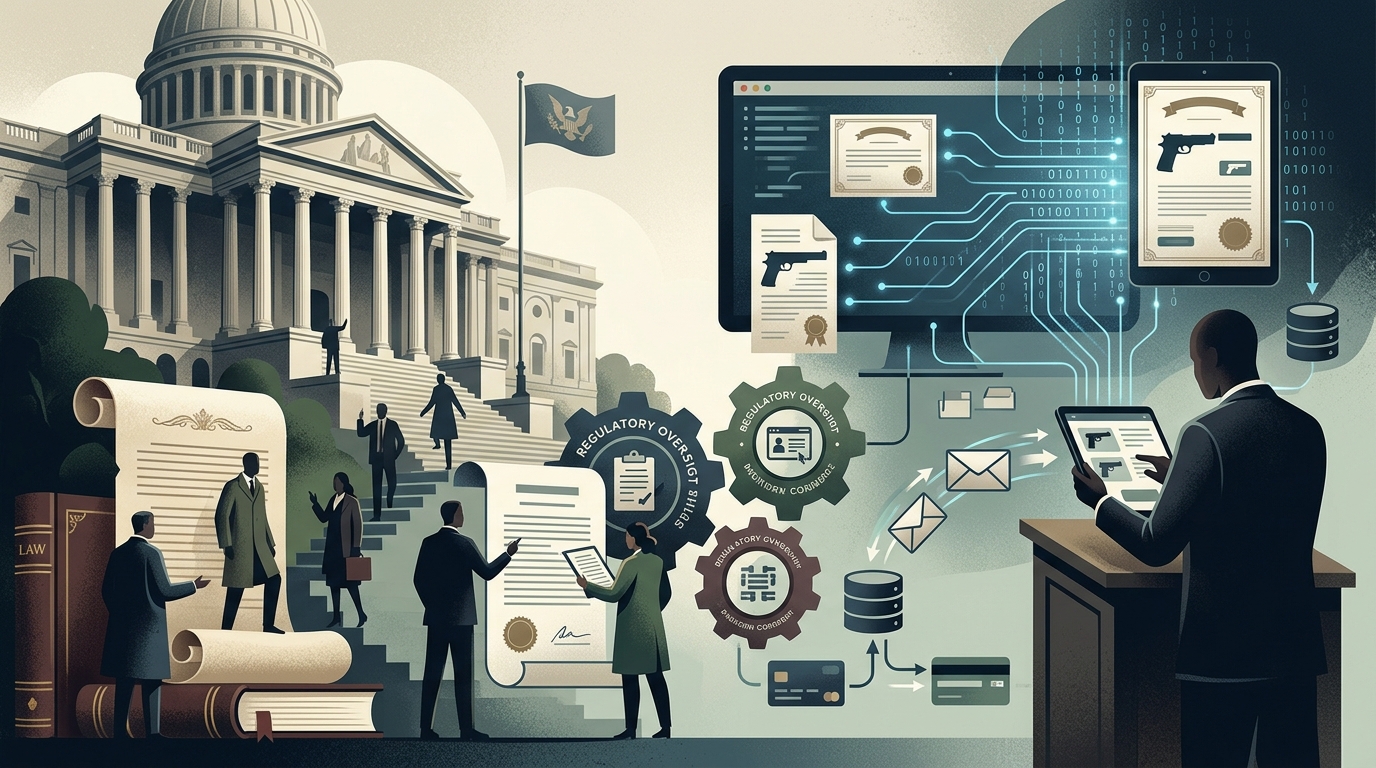
Commerce Secretary Gina Raimondo and her department view the situation differently. Their mandate is to ensure that the United States remains the global hub for tech investment. They argue that if the U.S. treats AI purely as a weapon, it will drive the brightest minds and the most significant capital to more permissive environments—including rival nations.
- Export controls on high-end GPUs (Nvidia's H100/B200 series).
- Inbound and outbound investment screening.
- The delicate balance of the CHIPS Act implementation.
The Department of Commerce posits that American security is fundamentally tied to economic strength. If U.S. companies stop leading the market because of bureaucratic bottlenecks, the nation loses its ability to set global standards for AI safety and ethics. For Commerce, the best defense is a dominant, fast-moving offense.
The Open-Source Flashpoint
Perhaps the most contentious area of this bureaucratic war is the treatment of open-source AI. Companies like Meta have championed an open-weights approach, arguing it democratizes the technology and accelerates bug fixes and safety research. The intelligence community, however, views this as a strategic blunder, effectively handing over billions of dollars in R&D to adversaries like China on a silver platter.
"We are in a race where the finish line keeps moving. If we give away our running shoes, we shouldn't be surprised when we're overtaken," a senior Pentagon official remarked regarding open-source dissemination.
This debate touches on the core of American identity: the tension between the "open society" and the "security state." The outcome of this turf battle will determine whether the U.S. continues to lead through transparency and collaboration or retreats into a defensive posture of technological isolationism.
Geopolitical Implications and the China Factor
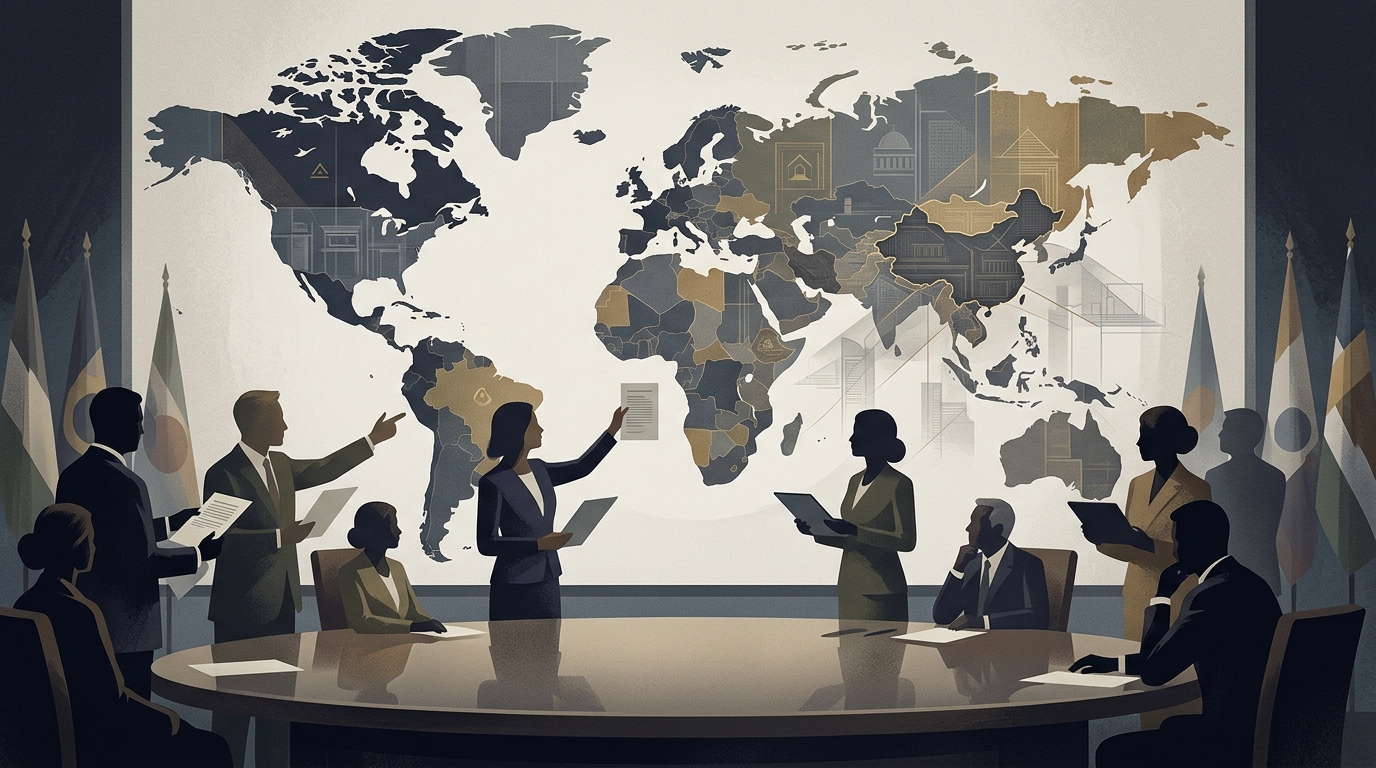
Every move in Washington is shadowed by the competition with Beijing. China is moving aggressively to integrate AI into its military and surveillance apparatus. The U.S. intelligence community argues that only a centralized, security-focused approach can match the state-led model of China. Conversely, the Commerce Department suggests that the decentralized, chaotic energy of the American private sector is exactly what the CCP cannot replicate—and what the U.S. must protect at all costs.
Conclusion: A New Architecture of Power
As we move through 2026, the resolution of this internal conflict will likely result in a new regulatory body or a significantly empowered existing agency. However, the friction between the spies and the merchants reflects a deeper reality: AI has blurred the lines between commerce and combat. The winner of this turf war won't just control a budget; they will control the fundamental building blocks of future global power. The challenge for the Biden administration—and whoever follows—is to ensure that in the quest for security, the U.S. does not extinguish the very spark of innovation that made it a superpower in the first place.