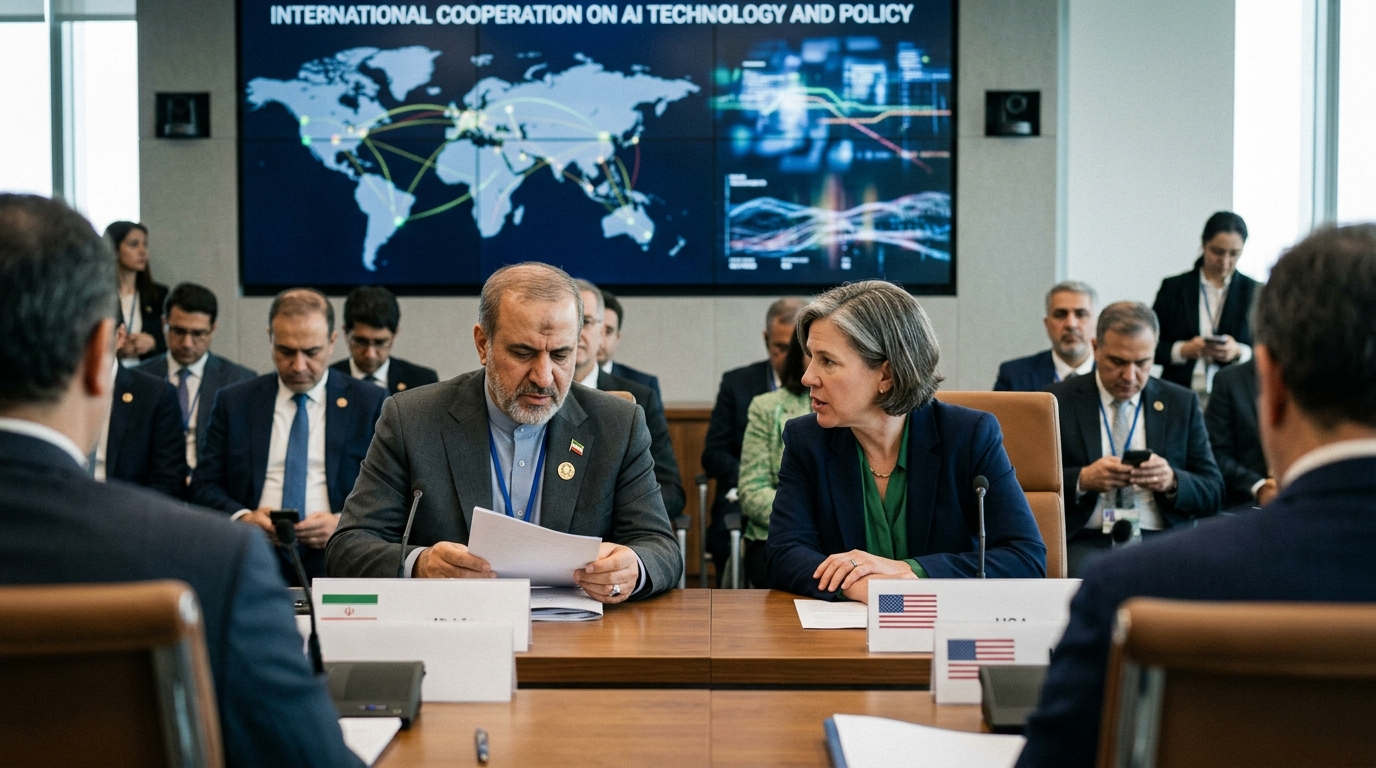
At the dawn of 2026, global public opinion seems trapped in a single-issue agenda. Developments in Artificial Intelligence, from autonomous governance systems to the full integration of generative AI into daily life, dominate the headlines. However, behind the glow of algorithms and promises of a new technological utopia, traditional geopolitics continues to simmer. The most alarming example of this "digital distraction" is the complete deadlock in negotiations between the United States and Iran—an issue that threatens Middle Eastern stability yet remains on the periphery of the news cycle.
The Illusion of Technological Priority
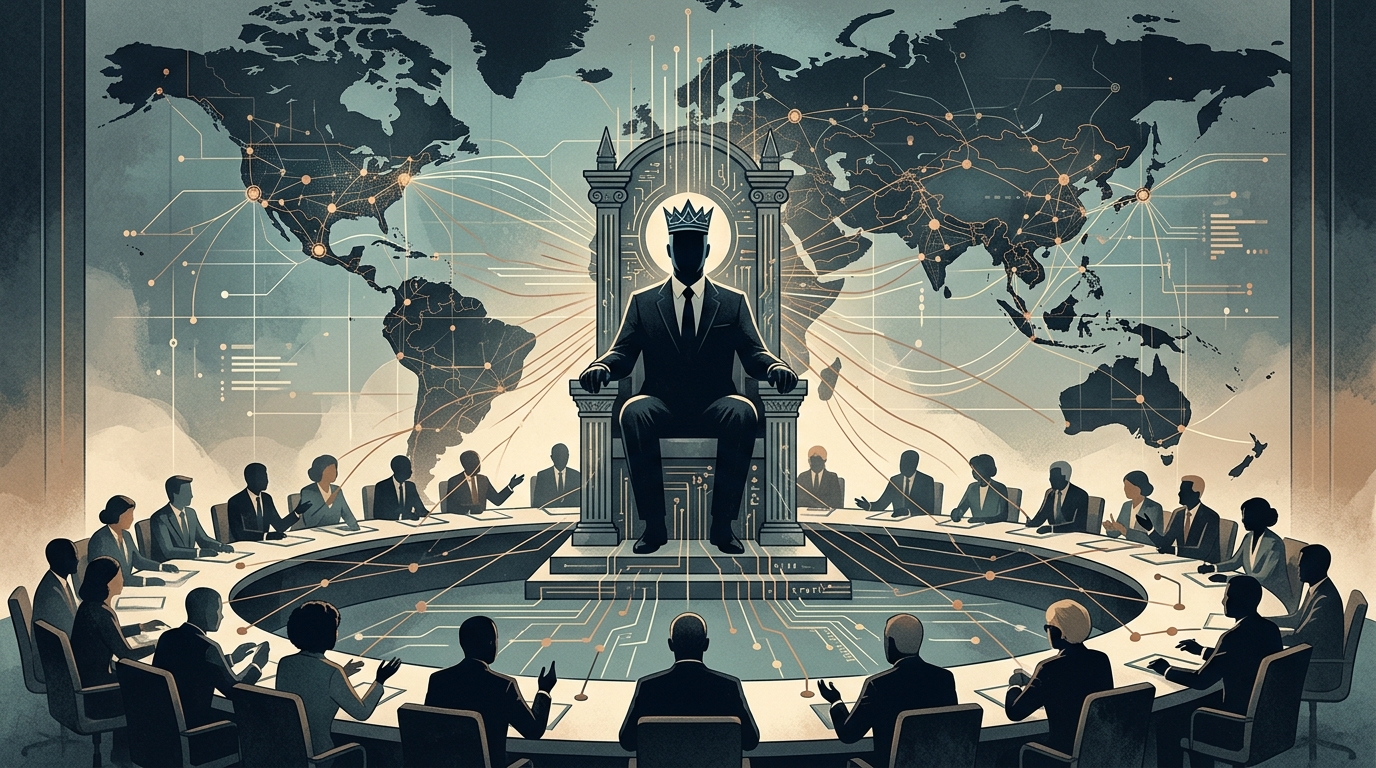
The obsession with Artificial Intelligence is no accident. It represents a structural shift in how great powers perceive strength. For the US government, maintaining a lead over China in semiconductors and large language models has become a matter of national survival. This "arms race" in Silicon Valley has absorbed immense diplomatic and political capital, leaving traditional flashpoints, such as Tehran's nuclear program, to smolder without meaningful oversight.
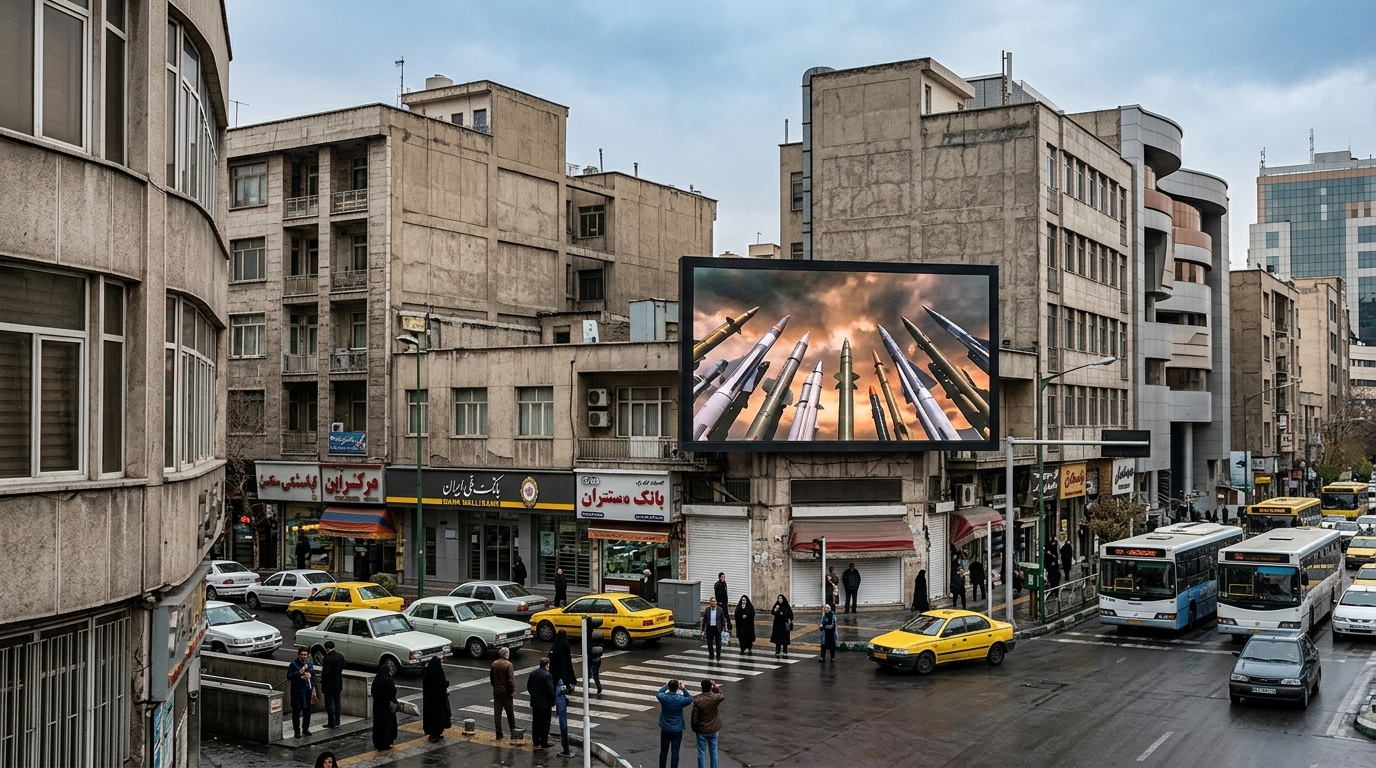
Iran, for its part, is exploiting this attention gap. While Western analysts debate AI ethics, Tehran has moved toward uranium enrichment levels reaching 90%, the threshold for weaponization. The diplomatic path, once expressed through the JCPOA, now feels like a distant memory. Negotiations have frozen, not for lack of technical solutions, but due to a profound political reluctance in Washington to engage with a "legacy" crisis when the future appears to be written in code.
AI as a Tool and Weapon in the Middle East
It would be inaccurate to say that AI and the Iran crisis are two unrelated worlds. On the contrary, technology has permeated the conflict in ways that make it even more precarious. Iran has invested heavily in AI-enhanced cyberattacks, targeting infrastructure in Saudi Arabia and Israel. Simultaneously, the use of autonomous drones by Iranian forces and their proxies has shifted the balance of power on the battlefield.
Washington also employs AI to monitor Iranian movements, perhaps mistakenly believing that technological superiority can substitute for persistent diplomacy. The belief that algorithms can predict or intercept every move by Tehran creates a dangerous sense of security. History has shown, however, that geopolitical players—especially those feeling cornered by sanctions—often resort to unpredictable actions that no AI can accurately model.
The Cost of Diplomatic Inertia
The deadlock in negotiations has severe consequences. Iran's economy remains under a stranglehold, pushing the regime into closer cooperation with Russia and China, creating an axis that openly challenges Western hegemony. Furthermore, the lack of communication channels increases the risk of an accident or misunderstanding in the Persian Gulf that could lead to full-scale war.
It is ironic that while humanity fears a future machine uprising, the greatest threat to world peace remains the age-old human failure to communicate. The AI "frenzy" acts as a noise floor that drowns out the hum of centrifuges. If the international community fails to balance its attention between technological progress and geopolitical stability, it risks finding itself in a world where it possesses the most advanced technology but no security to enjoy it.
Conclusion: Beyond Algorithmic Determinism
The US-Iran case serves as a reminder that technology is not a panacea. Artificial Intelligence can improve data analysis, but it cannot replace the human will for compromise. Washington must understand that 21st-century hegemony is not decided solely in the labs of Silicon Valley, but also in the ability to manage crises that refuse to submit to the logic of data. Returning to the negotiating table with Iran is not a retreat; it is a necessity to avoid a catastrophe that no software update will be able to fix.