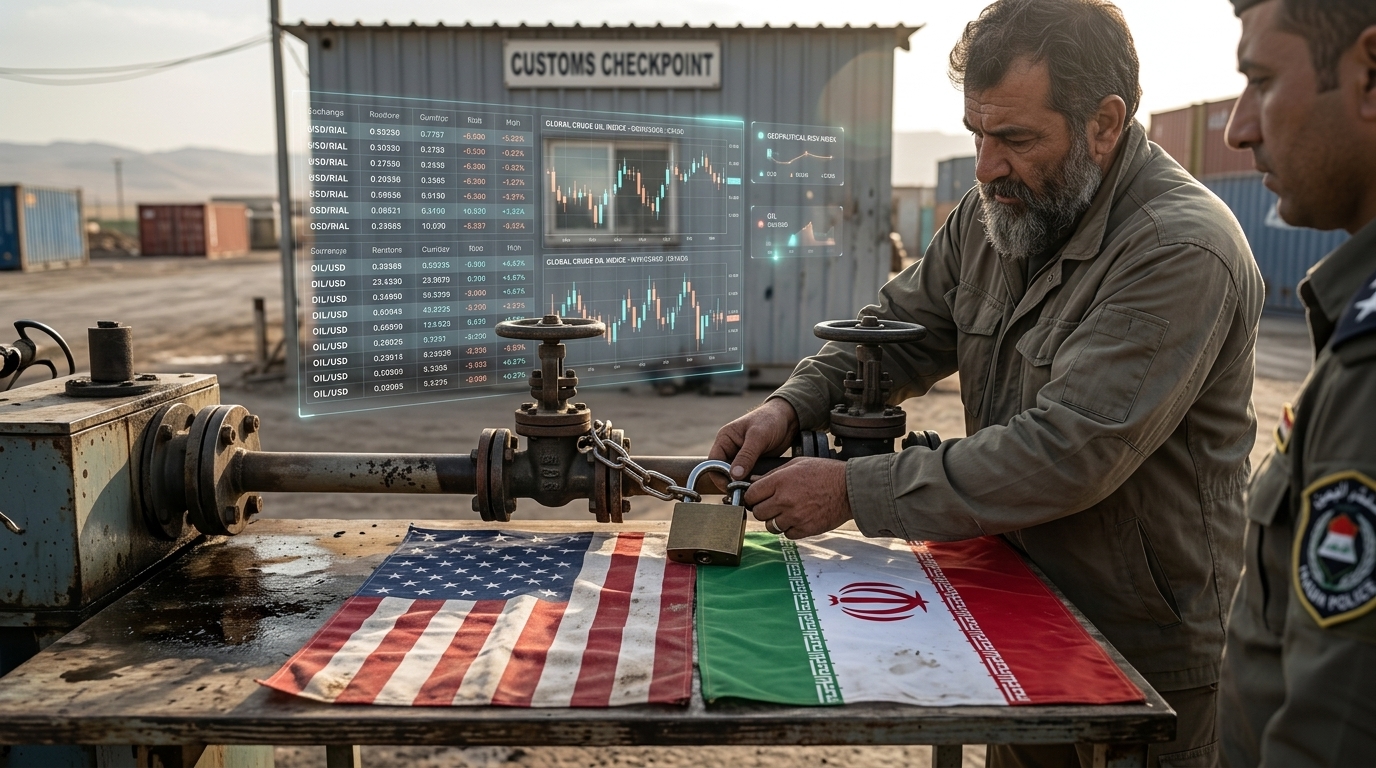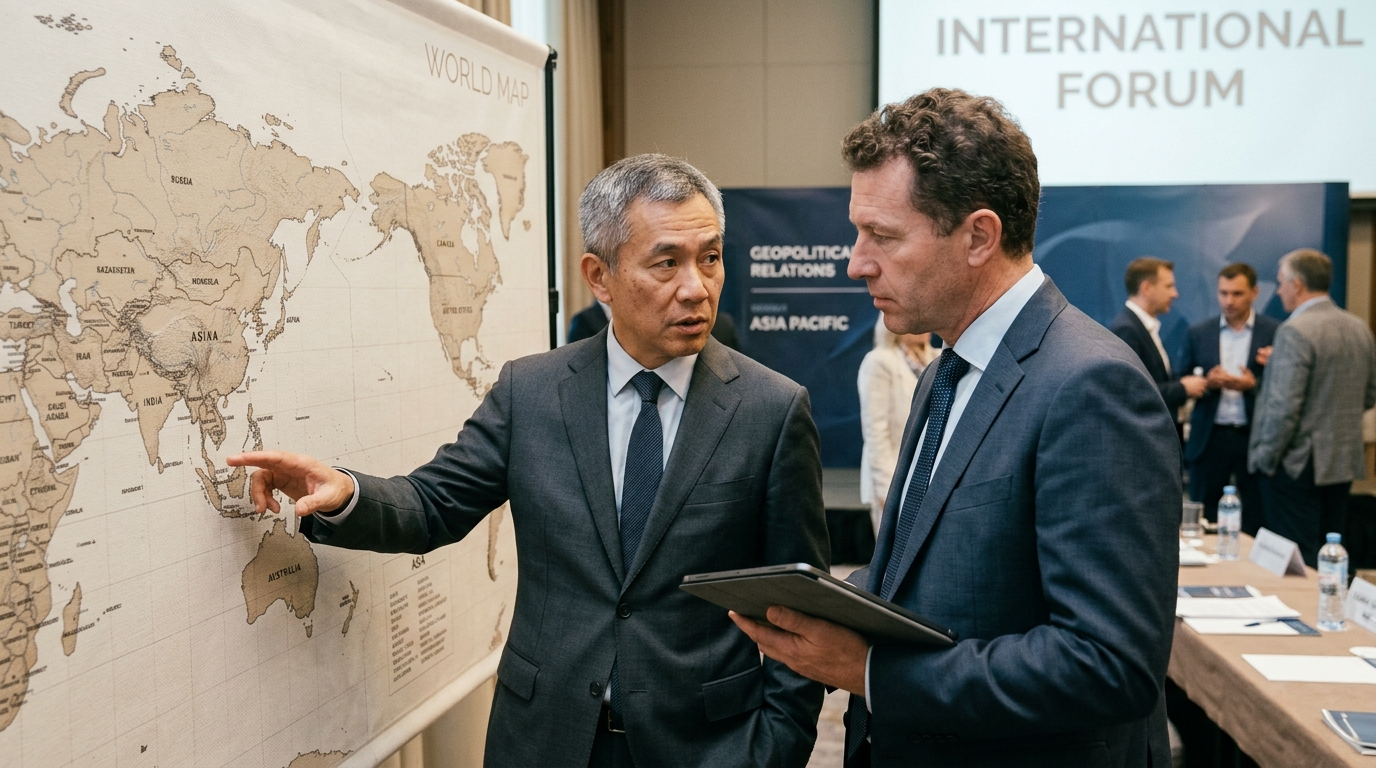
May 19, 2026, marks a pivotal moment in the geopolitics of artificial intelligence. While cameras captured the diplomatic choreography of the Beijing summit—where U.S. and Chinese leaders exchanged platitudes about "responsible AI development"—the real action was happening elsewhere. Behind closed doors, Washington was finalizing a series of quiet but transformative agreements across Asia. The "China Plus One" strategy has evolved from a corporate preference into the core of U.S. national security doctrine.
The New Geography of Semiconductors
The U.S. push for supply-chain sovereignty is no longer just about protecting Taiwan. Washington recognizes that over-reliance on a single geographic point, however allied, constitutes a strategic vulnerability. Consequently, we are witnessing a massive migration of capital and expertise toward Vietnam, Malaysia, and India. These nations are no longer viewed merely as low-cost labor hubs; they are being fortified as the new pillars of "supply-chain sovereignty."
In Malaysia, for instance, the expansion of advanced packaging facilities has become a national priority, backed by U.S. giants like Intel and Nvidia. Chip packaging, once dismissed as a back-end commodity process, is now the critical bottleneck for next-generation AI performance. Washington is offering incentives that transcend mere economics: it is offering entry into an exclusive club of technological security that guarantees preferential access to Western markets.
The Strategic Roles of Vietnam and India
Vietnam has emerged as a central player in chip design. Under the mentorship of U.S. electronic design automation (EDA) firms, Vietnamese engineers are now tackling projects that would have been unthinkable five years ago. The government in Hanoi, performing a delicate diplomatic balancing act, manages to maintain stable relations with Beijing while simultaneously becoming the U.S.'s preferred partner in Southeast Asia.
India, meanwhile, is leveraging its massive scale to dictate its own terms. The iCET (Initiative on Critical and Emerging Technology) between the U.S. and India has turned the subcontinent into a vast AI laboratory. Washington is betting that Indian democracy, despite its complexities, is the only force capable of rivaling the sheer scale of Chinese production. The recent announcement of a joint quantum computing research center in Bengaluru proves that this partnership has moved beyond industrial assembly into high-level scientific collaboration.
Beijing’s Retaliation and the Risks of Decoupling
China is not a passive observer in this realignment. Beijing’s response is focused on the mastery of the upstream supply chain. Rare earth minerals, essential for the GPUs that power AI, remain largely under Chinese control. Recent export restrictions on gallium and germanium serve as a stark reminder that the U.S. supply chain, no matter how "friend-shored" it becomes, remains vulnerable at its very source.
"Technological sovereignty in the 21st century isn't decided by who has the fastest algorithm, but by who controls the silicon, the energy, and the data pathways," says a senior State Department official.
The risk for Asian nations is becoming the battleground for a new Cold War. While investments are flowing, the political pressure to exclude Chinese technologies—such as Huawei’s 5G or Alibaba’s cloud infrastructure—is creating friction within local economies. Washington is asking its allies for more than cooperation; it is demanding alignment.
Conclusion: One World, Two Systems?
The U.S. strategy in Asia reveals the true stakes of our era. This is not merely a trade dispute; it is the construction of a parallel technological ecosystem, entirely decoupled from Chinese influence. If Washington succeeds, the globalization we once knew will be replaced by a "fragmented globalization," where access to cutting-edge AI is contingent upon geopolitical loyalty. The remaining question is whether Asia can bear the weight of this choice without fracturing its own internal stability.