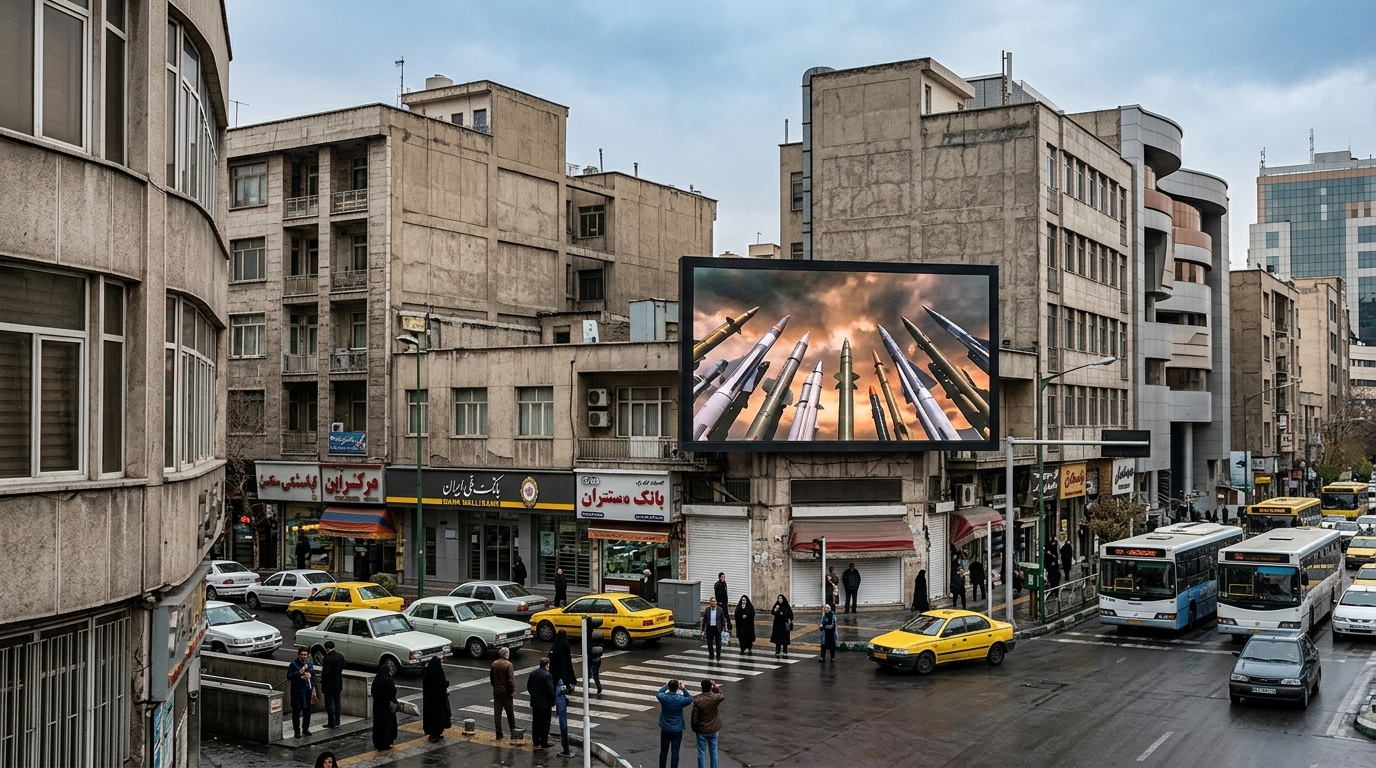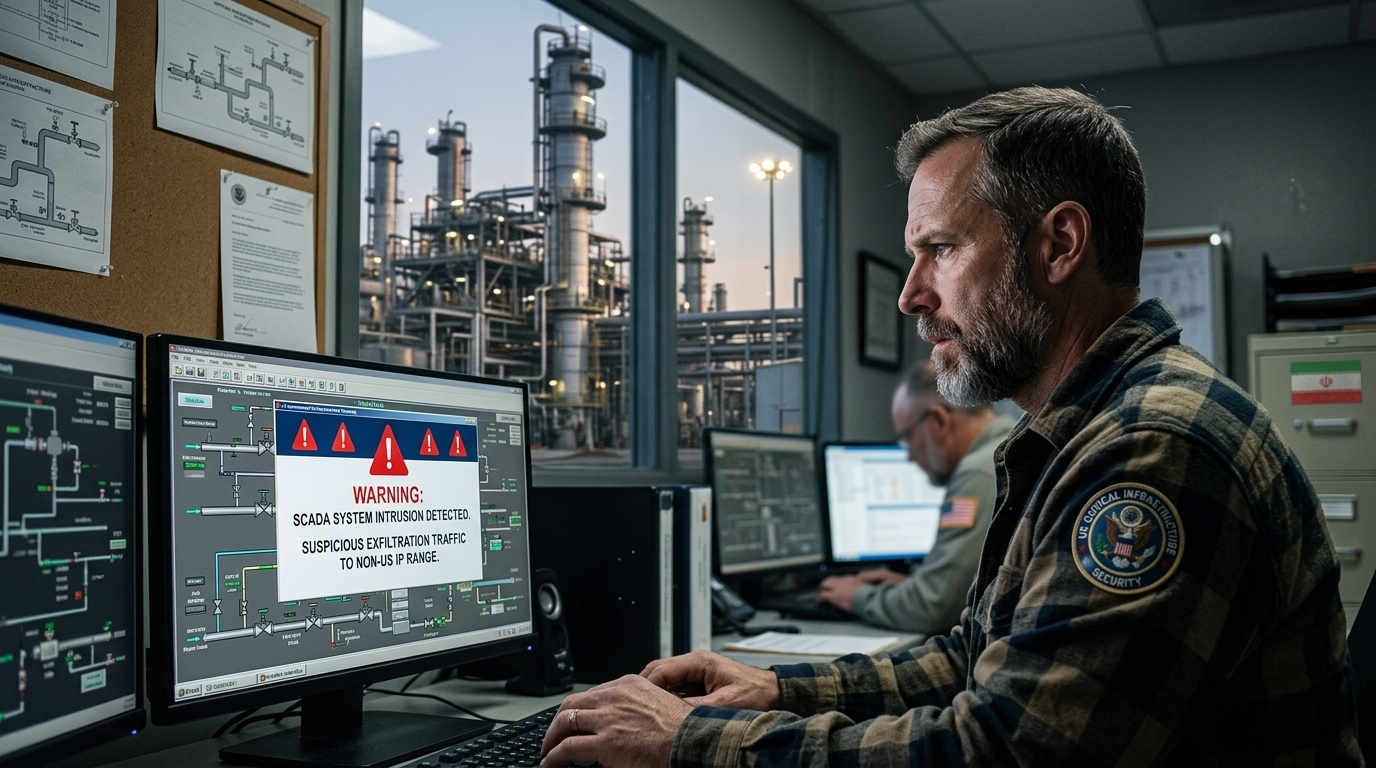
The modern geopolitical chessboard is no longer confined to the narrow geographic boundaries of borders or traditional battlefields. Today, the front line of confrontation lies on the screens of control centers and within the digital arteries that fuel the daily lives of citizens. The recent revelation of extensive hacker infiltration into gas station control systems across the United States serves as a grim reminder that critical infrastructure remains the "soft underbelly" of Western democracies.
According to reports from US security agencies, the attacks were not aimed at simple data theft, but at operational sabotage. The intruders managed to gain access to Programmable Logic Controllers (PLCs) and pump management systems, causing malfunctions that could lead to artificial shortages or even dangerous conditions at storage facilities. Intelligence agencies' suspicions point directly toward Tehran, specifically to groups linked to the Islamic Revolutionary Guard Corps (IRGC).
The Anatomy of a Digital Sabotage
The technical details emerging show a methodical approach. Hackers exploited security vulnerabilities in legacy hardware and weak passwords that had never been changed since the systems were installed. In many cases, access was gained via the internet, as many of these systems were exposed without the use of secure VPN networks.
- Exploitation of vulnerabilities in Israeli-made controllers widely used in the US.
- Use of malware capable of bypassing standard authentication systems.
- Targeted attacks on small and medium-sized fuel retail businesses lacking advanced cybersecurity departments.
This tactic indicates a shift in Iran's strategy: instead of one large, spectacular attack that would trigger an immediate military response, a "strategy of a thousand cuts" is chosen. Many small attacks that erode public confidence in infrastructure and cause economic bleeding without crossing the threshold of open warfare.
Geopolitical Context and Washington's Response
The timing of the attacks is not accidental. With tensions in the Middle East remaining at a critical point and diplomatic contacts over Iran's nuclear program at a standstill, cyberspace serves as both a pressure valve and a leverage tool. For Tehran, cyberattacks are a way to demonstrate that it can strike the American heartland without firing a single missile.
"We are no longer in a situation where cyberattacks are merely annoying. They are now a matter of national security and public safety," said a senior official from CISA (Cybersecurity and Infrastructure Security Agency).
The US response is expected to be multi-layered. Beyond strengthening defensive systems, retaliatory measures in the digital space are already being discussed, as well as tightening sanctions against entities providing technological support to Iran. However, the problem remains the vast dispersion of targets. There are thousands of gas stations and small infrastructure points that are impossible to protect centrally.
The Challenge of Collective Defense
This case highlights the need for a radical rethink of how we perceive the security of private businesses managing public resources. Cybersecurity can no longer be considered an "optional cost" for a gas station owner or a distribution company. It is the foundation of their operational survival.
The international community is watching closely, as the US example could be repeated in Europe or Asia. Digital interdependence means that a security gap in a small town in Ohio can have ripple effects on the global energy market. The challenge for 2026 is whether democracies can fortify their infrastructure faster than their adversaries can find new "holes" in the system.