In the wake of his re-election and the consolidation of his foreign policy in 2026, Donald Trump appears to be returning to his signature strategy of "maximum pressure" against Tehran. However, this time, the confrontation is not merely being fought with aircraft carriers and economic sanctions. The entry of Artificial Intelligence into the geopolitical chessboard has shifted the paradigm, creating an explosive cocktail of digital warfare and military might that threatens to plunge the region into an unprecedented "storm."
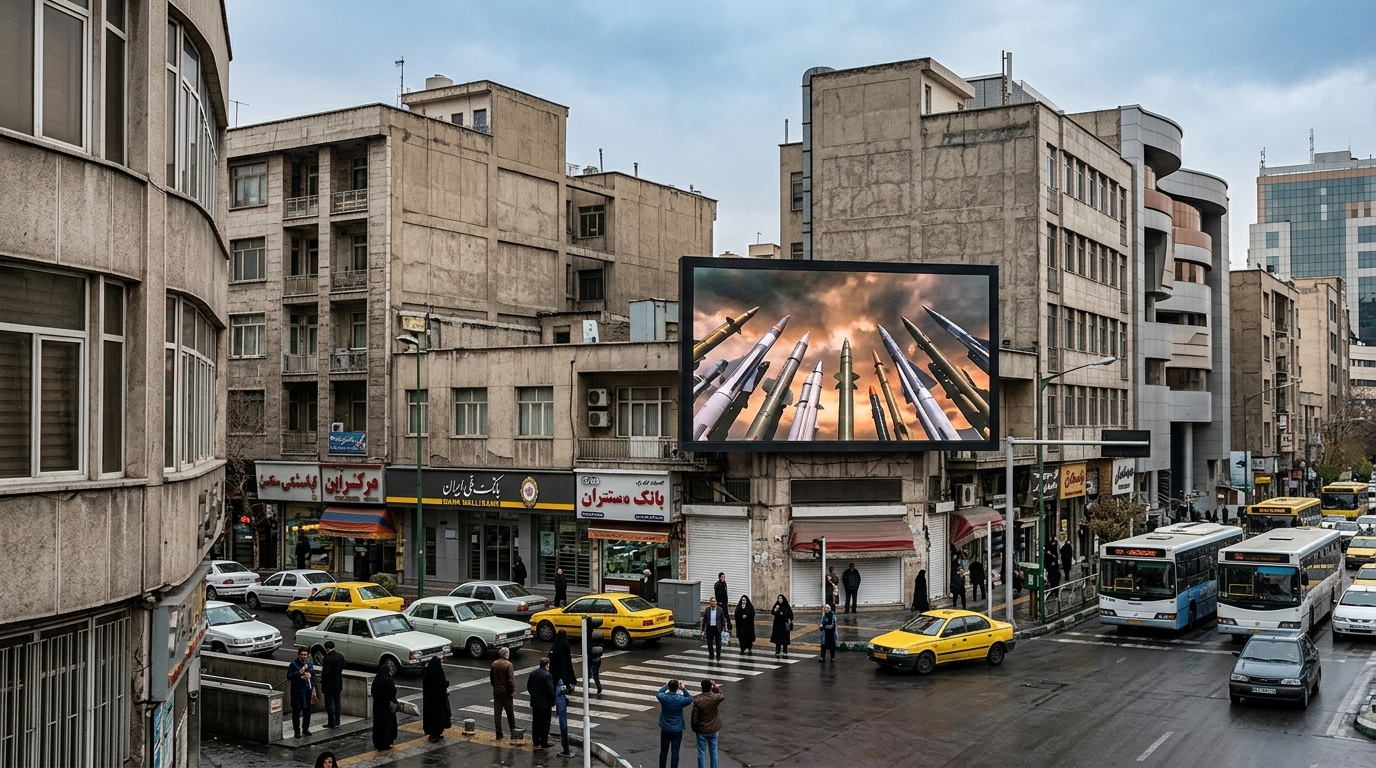
Recent reports from Washington suggest that the U.S. National Security Council is drafting scenarios for "surgical" strikes on Iranian nuclear facilities and drone infrastructure. The element that distinguishes the current situation from 2020 and the elimination of Qasem Soleimani is the use of advanced AI algorithms to predict Iranian reactions and optimize targeting. Tehran, for its part, is not standing idle, bolstering its own cyber capabilities, creating a scenario where the first shot may be digital, but the last will certainly be lethal.
The Strategy of "Maximum Pressure 2.0"
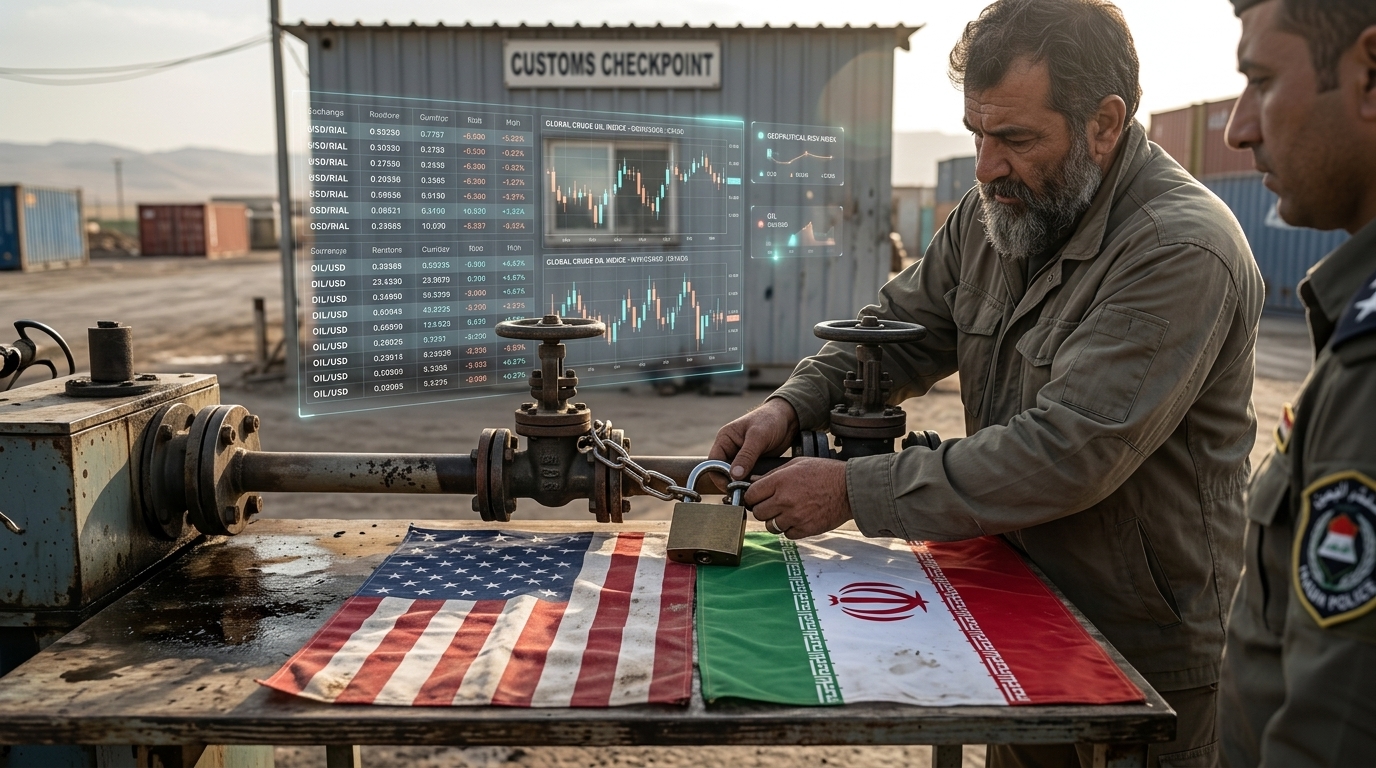
Trump’s 2026 approach lacks the diplomatic nuances of the past. With a national security team composed of hawks, the American president seeks to finish what he started in his first term: the total isolation of Iran. This strategy rests on three pillars: absolute economic blockade, the strengthening of regional allies (Israel and Saudi Arabia), and the threat of direct military action.
However, the international community is watching with bated breath. European allies, who once attempted to salvage the nuclear deal (JCPOA), now seem powerless to intervene. The dynamics have shifted. Iran has advanced uranium enrichment to levels approaching weapons-grade, and Trump is using this fact as the ultimate argument for the necessity of a preemptive strike. The question is no longer whether there will be a conflict, but what spark will ignite it.
AI as a Weapon of Psychological Warfare
One of the most intriguing—and terrifying—aspects of the new crisis is the "AI message" cited by analysts. The use of Artificial Intelligence to create hyper-targeted disinformation campaigns and psychological operations (PSYOPS) within Iran is now a reality. Washington appears to be using algorithms to identify fissures in Iranian society and amplify internal voices of dissent against the theocratic regime.
This "digital storm" includes deepfakes of key officials, automated social media messaging, and the use of AI to bypass state censors. The message is clear: "Our technology is everywhere, and your regime is vulnerable." While effective at destabilization, this tactic carries the risk of pushing Tehran into a desperate military response to project strength domestically.
The Geopolitical Chessboard and the Risks
The escalation is not just about the U.S. and Iran. Israel, under a government focused on long-term security, sees in Trump’s resolve a golden opportunity to eliminate the existential threat posed by Iran’s nuclear program. Israeli intelligence services are working closely with the CIA, exchanging data collected from AI-driven sensor networks and satellites, creating a "digital dome" over the region.
- Risk of Total War: A strike on Iran could activate Hezbollah in Lebanon and the Houthis in Yemen, sparking a conflagration across the entire region.
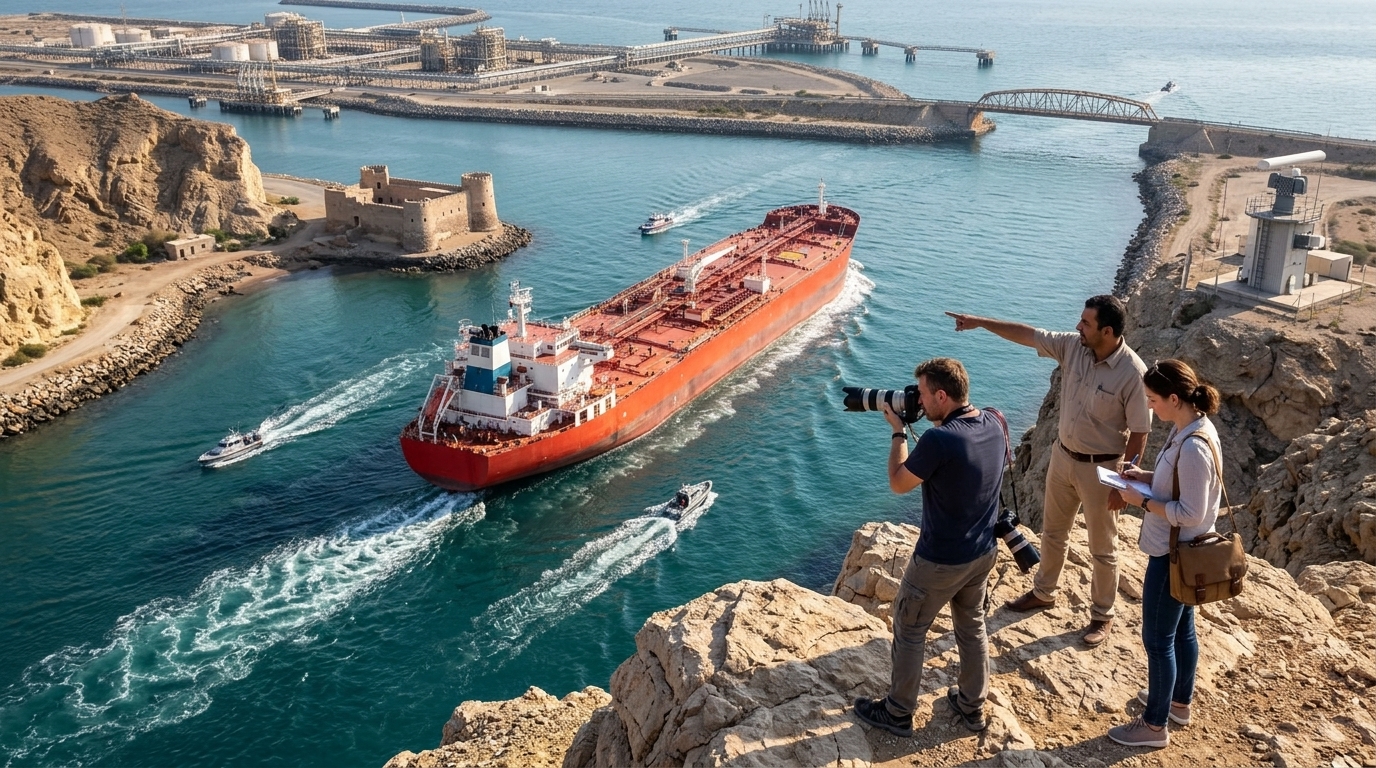
- Energy Crisis: Closing the Strait of Hormuz remains Iran’s ultimate weapon, capable of skyrocketing oil prices and triggering a global economic recession.
- Russia and China’s Involvement: Moscow and Beijing, having close ties with Tehran, may not remain mere spectators, turning a regional crisis into a global confrontation.
In conclusion, the situation in May 2026 is more volatile than ever. Donald Trump is betting that Iran will buckle under the weight of U.S. technological and military superiority. However, the history of the Middle East has taught us that "storms" rarely stay confined to where they are expected. The use of AI may offer precision, but it cannot guarantee control over human passions and geopolitical survival.