In a move that has sent shockwaves through global diplomatic circles, President Donald Trump has decided to postpone his scheduled appearance at his son Barron’s wedding to remain at the White House. This decision, announced late Friday, May 22, 2026, is being interpreted not merely as a scheduling conflict, but as a definitive precursor to a major military operation against Iran. Sources within the Pentagon and the National Security Council suggest that the administration is preparing for a new round of "surgical" strikes, even as European allies scramble to maintain a diplomatic backchannel with Tehran.
The Shadow of Conflict over Personal Milestone
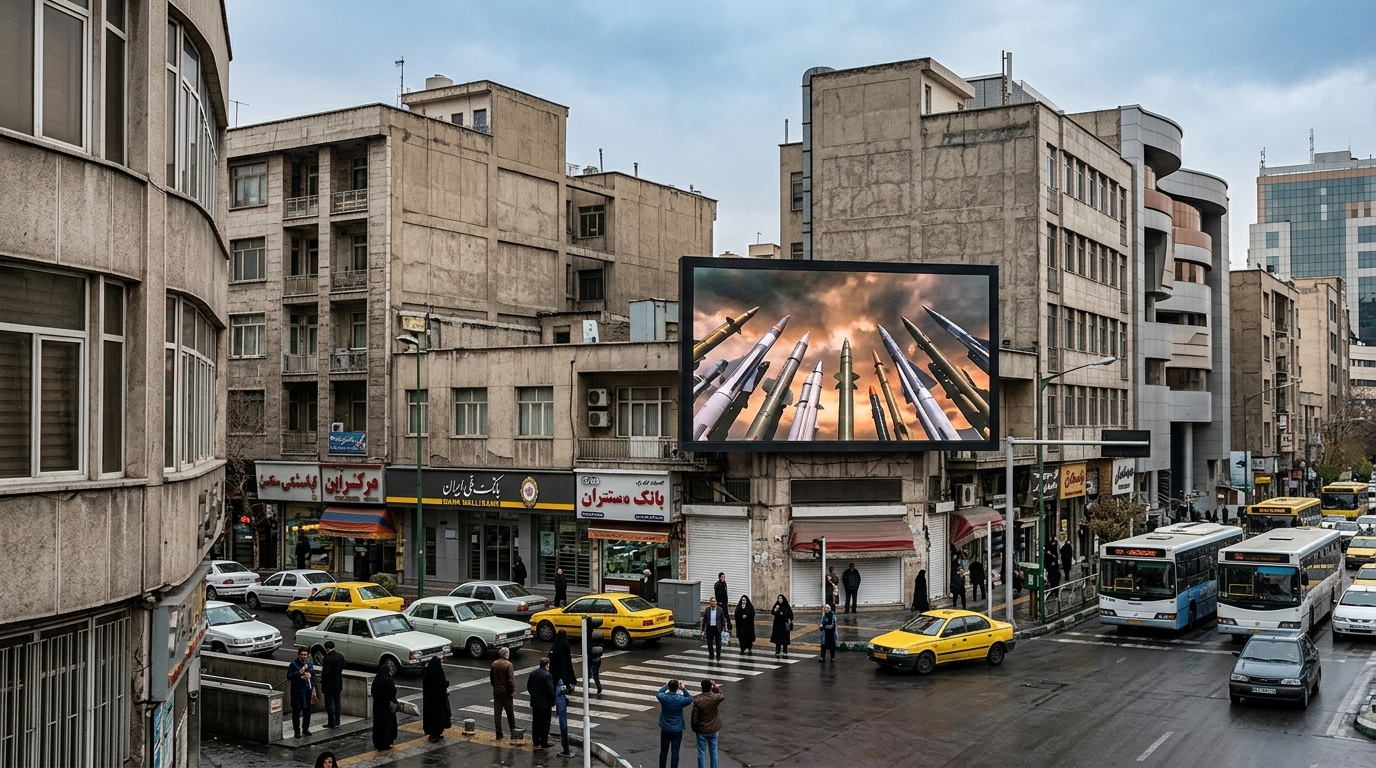
Trump’s choice to prioritize his role as Commander-in-Chief over a significant family milestone is a rare departure for a leader who often emphasizes his image as a devoted patriarch. However, the timing is critical. Intelligence reports indicate that the Iranian Revolutionary Guard Corps (IRGC) has made "irreversible" moves involving the positioning of ballistic missiles. Trump’s continued presence in the Situation Room suggests that the United States is in a state of high readiness for the execution of what insiders are calling "Operation Desert Shield 2.0."
Analysts argue that the postponement of the wedding appearance serves as a potent form of psychological warfare against the leadership in Tehran. It signals that Washington is unwilling to allow any delay in its response should established red lines be crossed. The atmosphere in D.C. mirrors the tension felt prior to the 2020 strike on Qasem Soleimani, with one major difference: in 2026, U.S. military superiority is augmented by AI-driven autonomous targeting systems designed to maximize precision while minimizing collateral damage.
Maximum Pressure 2.0: From Rhetoric to Kinetic Action
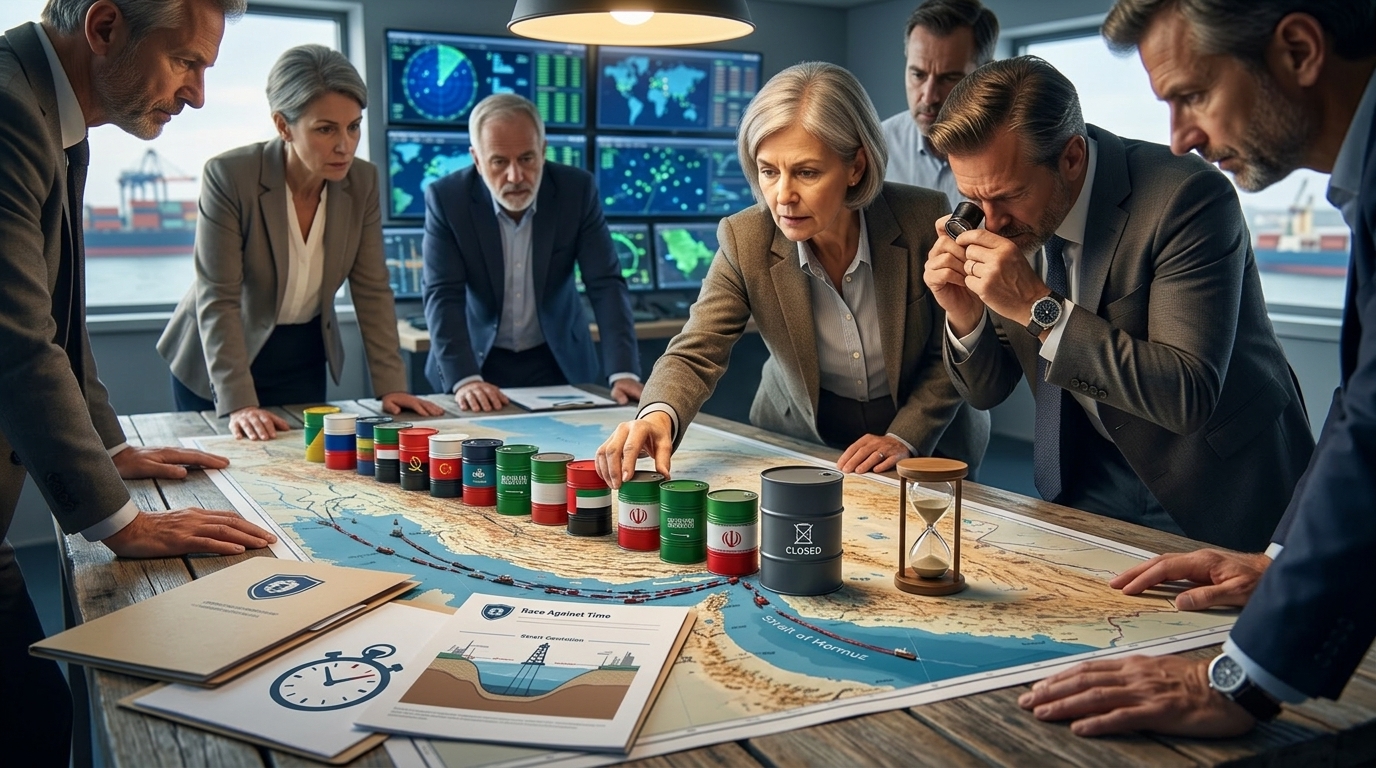
This escalation is the culmination of months of rising tension. Since the start of his second term, Trump has pursued an even more aggressive stance toward Tehran’s nuclear ambitions. Sanctions imposed in 2025 have severely crippled the Iranian economy, pushing the regime toward provocative actions in the Persian Gulf. Recent harassment of U.S. drones and threats to close the Strait of Hormuz appear to have been the final straw for the administration.
- Targeting of critical uranium enrichment facilities.
- Neutralization of IRGC drone command and control centers.
- Preemptive strikes on naval assets threatening international shipping lanes.
The use of advanced predictive algorithms allows the U.S. to plan operations that do not require a massive ground invasion but inflict enough damage to render an Iranian counter-response nearly impossible. This "doctrine of rapid paralysis" seems to be the White House's preferred path for the current crisis.
The Diplomatic Impasse and the AI Intelligence Gap
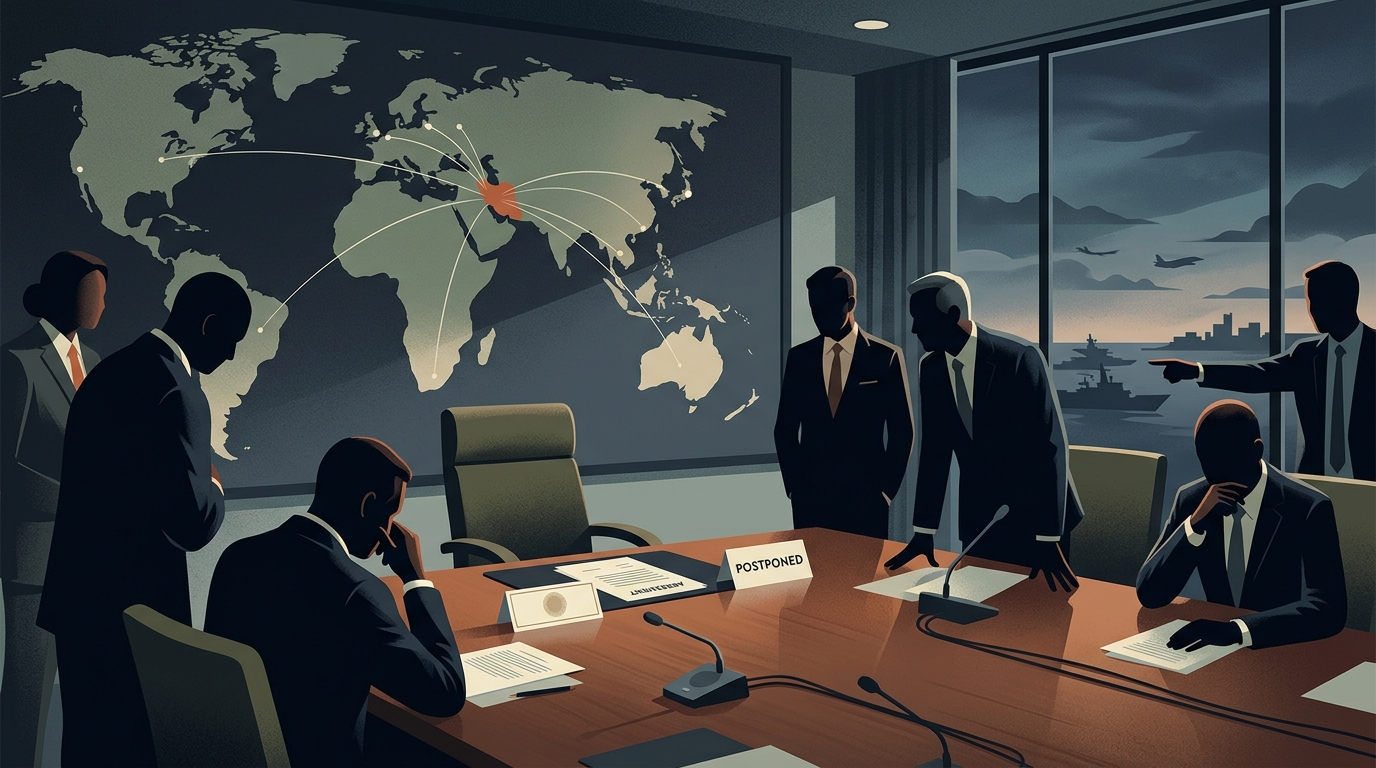
Despite mediation efforts by France and Germany, Washington's patience has clearly run out. Diplomatic talks held in Oman over the past few weeks collapsed when Tehran refused to discuss limitations on its missile program. Russia and China have warned of "uncalculable consequences" in the event of a U.S. strike, yet the presence of two U.S. carrier strike groups in the region suggests the die has already been cast.
"We do not seek war, but we will not allow terror to dictate global security. The President is focused on protecting American interests and ensuring that our deterrent remains absolute," a White House spokesperson stated.
The international community is watching with bated breath. Should the strikes occur, oil prices are expected to skyrocket, potentially triggering a new wave of global inflation. However, for the Trump administration, the cost of inaction is now perceived as higher than the risks associated with a limited military engagement.
The Future of the Middle East in the Age of AI
The looming conflict, if it manifests, will be the first in history where Artificial Intelligence plays a decisive role in real-time strategic decision-making. The "AI-Command" systems utilized by the Pentagon can analyze billions of data points from satellites and signals intelligence, providing the President with a clear array of options in seconds. This reduces the risk of human error but simultaneously accelerates the speed at which a crisis can escalate into a full-scale war.
In conclusion, Trump’s absence from his son's wedding is more than a personal choice; it is a red alert for the world. The coming hours will determine if diplomacy has one final chance or if the Middle East is about to enter a new cycle of violence with unpredictable consequences for global peace and stability.