In a move poised to redefine the landscape of global security, Donald Trump has issued a clear directive to accelerate the integration of Artificial Intelligence (AI) within the United States military. This shift is far more than a mere technological upgrade; it is a strategic declaration of intent. The United States does not intend to cede its position in the digital arms race, particularly as adversaries like China and Russia make significant strides. However, Trump’s rhetoric carries a critical caveat: the necessity of protecting American citizens from the potential fallout of this immense power.
The Mandate for Speed: From Labs to the Frontlines
The core philosophy behind this new approach is the removal of bureaucratic hurdles that, according to Trump’s supporters, have stifled AI adoption at the Pentagon. The emphasis is squarely on developing autonomous weapons systems, real-time intelligence data analysis, and robust cyber-defense mechanisms. The logic is straightforward: in the conflicts of the future, decision-making speed will be the ultimate arbiter of victory. AI can process billions of data points in milliseconds, providing commanders with a metaphorical 'crystal ball' regarding enemy movements.
Yet, this acceleration raises profound questions about oversight. Critics argue that rolling back regulatory frameworks—many of which were established under the Biden administration—could lead to dangerously flawed technologies being deployed prematurely. Trump, conversely, views excessive regulation as a 'gift' to America’s rivals, who are not bound by similar ethical constraints or public accountability.
Protecting Americans: A Delicate Balance
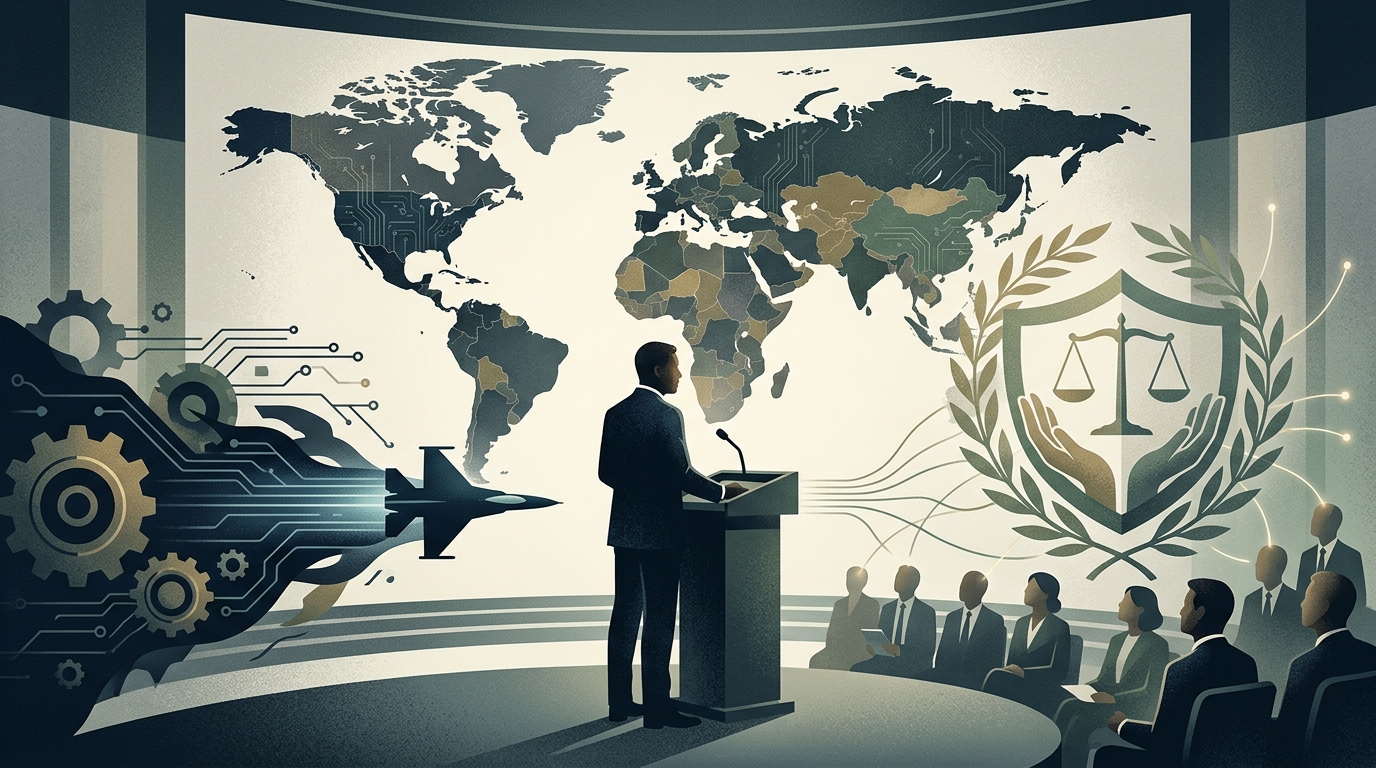
Perhaps the most intriguing element of Trump’s stance is the explicit mention of protecting Americans. This is being interpreted in two primary ways. First, as a safeguard against the misuse of AI by the state itself (internal security and surveillance), and second, as protection against the economic disruptions caused by automation. There is a growing anxiety that military-grade AI could eventually be repurposed for domestic use, potentially infringing upon civil liberties.
- Repealing restrictive executive orders that 'stifle' American innovation.
- Strengthening partnerships with Silicon Valley private firms under a patriotic framework.
- Establishing guarantees that AI will not be used to censor or oppress American citizens.
Geopolitical Implications and the NATO Context
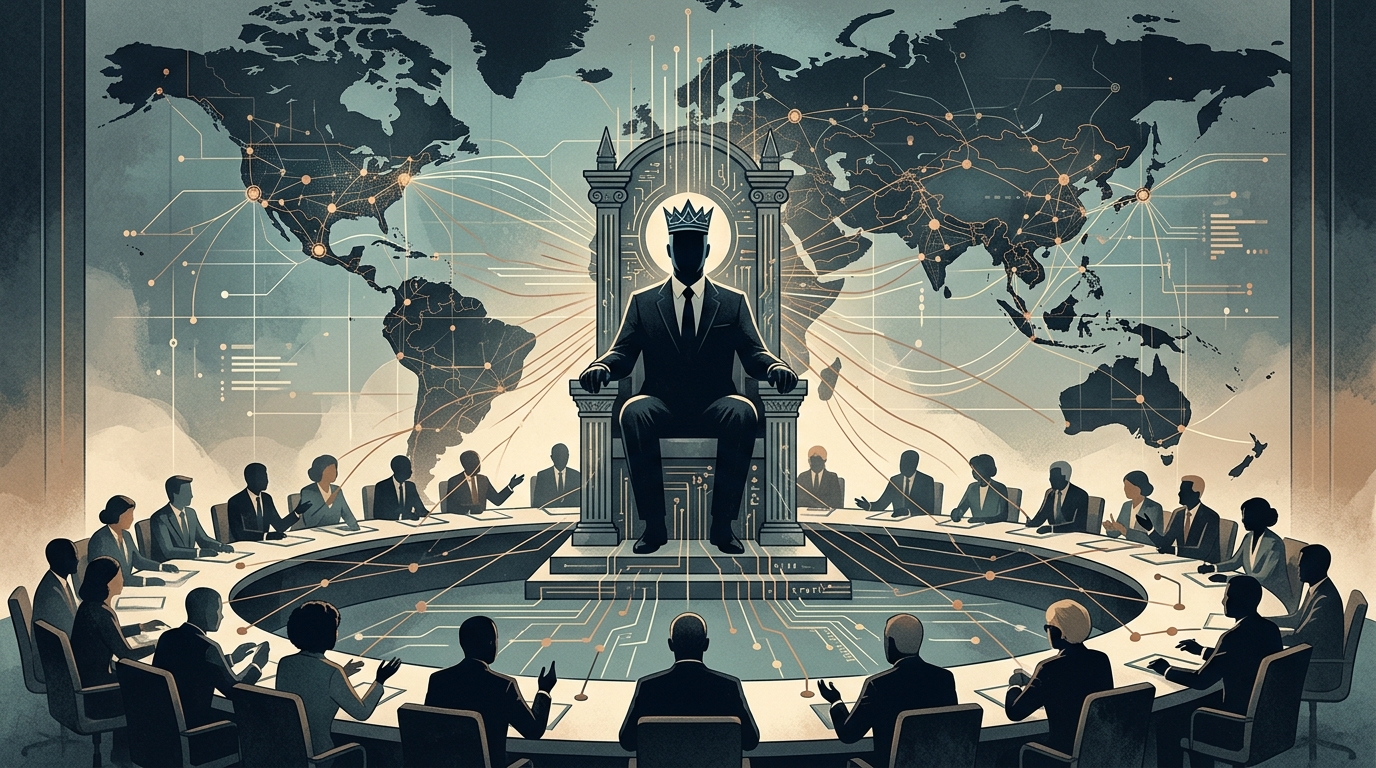
On the international stage, this posture sends a loud message to allies and foes alike. If the U.S. moves toward a fully 'aggressive' AI development cycle, NATO allies will be pressured to follow suit, often at a financial cost that many European economies may struggle to bear. Furthermore, there is the palpable risk of a new Cold War, this time built on algorithms rather than nuclear warheads. China has already stated its goal to become the global AI leader by 2030, and Trump’s response suggests that Washington is choosing confrontation over cooperation regarding safety standards.
"We cannot allow countries that hate freedom to define the rules of the technology that will dominate the 21st century," the policy rationale suggests.
In conclusion, Trump’s initiative marks a pivot toward 'technological nationalism.' While the promise to protect citizens is reassuring, history has shown that military necessity often overrides individual rights in times of perceived crisis. The challenge for the global community will be to maintain open channels of communication so that the acceleration of AI does not culminate in an accidental and catastrophic conflict.