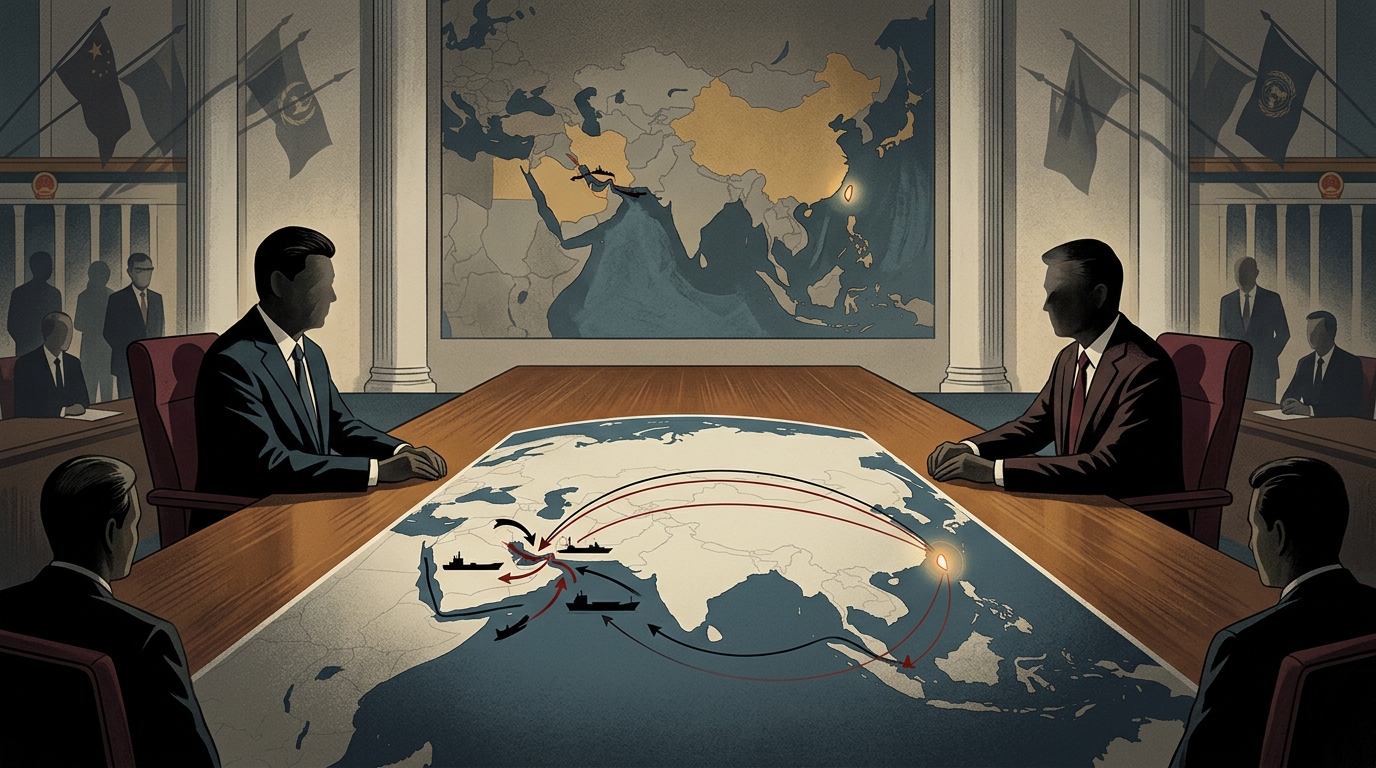
In an atmosphere reminiscent of the darkest days of the Cold War, yet infused with the complexity of the digital age, the summit between Donald Trump and Xi Jinping in Beijing has concluded, leaving behind more questions than answers. May 15, 2026, will likely be recorded as the turning point where the world's two most powerful men attempted to redraw their spheres of influence against the backdrop of two of the world's most dangerous flashpoints: the Taiwan Strait and the Strait of Hormuz.
The Taiwan Thorn and Beijing's Red Line
Taiwan remains the central issue dividing Washington and Beijing. At the current summit, Xi Jinping reportedly used his toughest language in years, making it clear that "reunification" is non-negotiable. For his part, Donald Trump, faithful to his strategy of "transactional diplomacy," appears to have linked Taiwan's security to trade concessions and US access to next-generation semiconductor technology.
The crisis in Taiwan is no longer just political; it is deeply technological. With AI becoming the new "nuclear power," control over TSMC's fabrication plants is the ultimate prize. Reports from inside the summit indicate that Trump pressed for guarantees that the chip supply chain would not be disrupted, while Xi demanded the lifting of export restrictions on advanced AI systems to China. The balance is fragile, as any military move in the Taiwan Strait would trigger a global economic collapse.
The Strait of Hormuz: The Energy Front
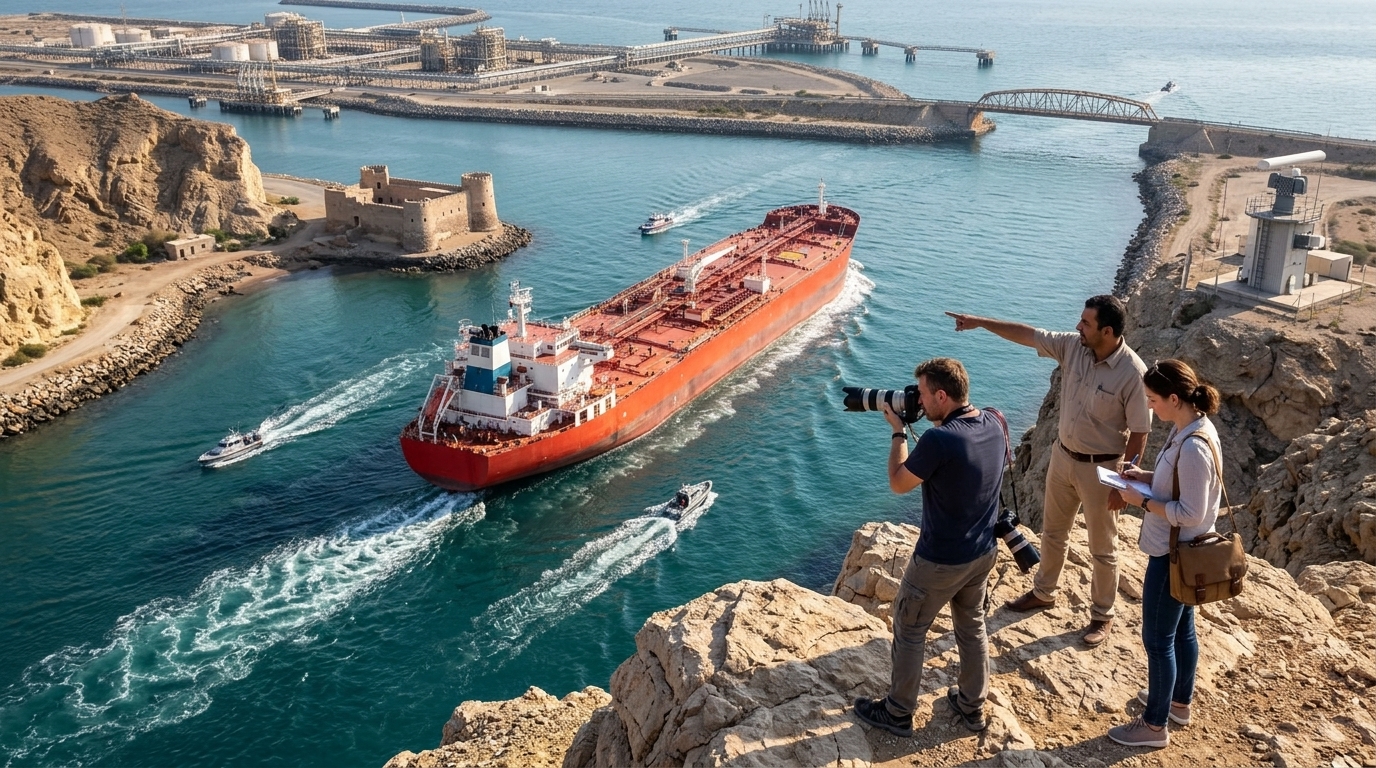
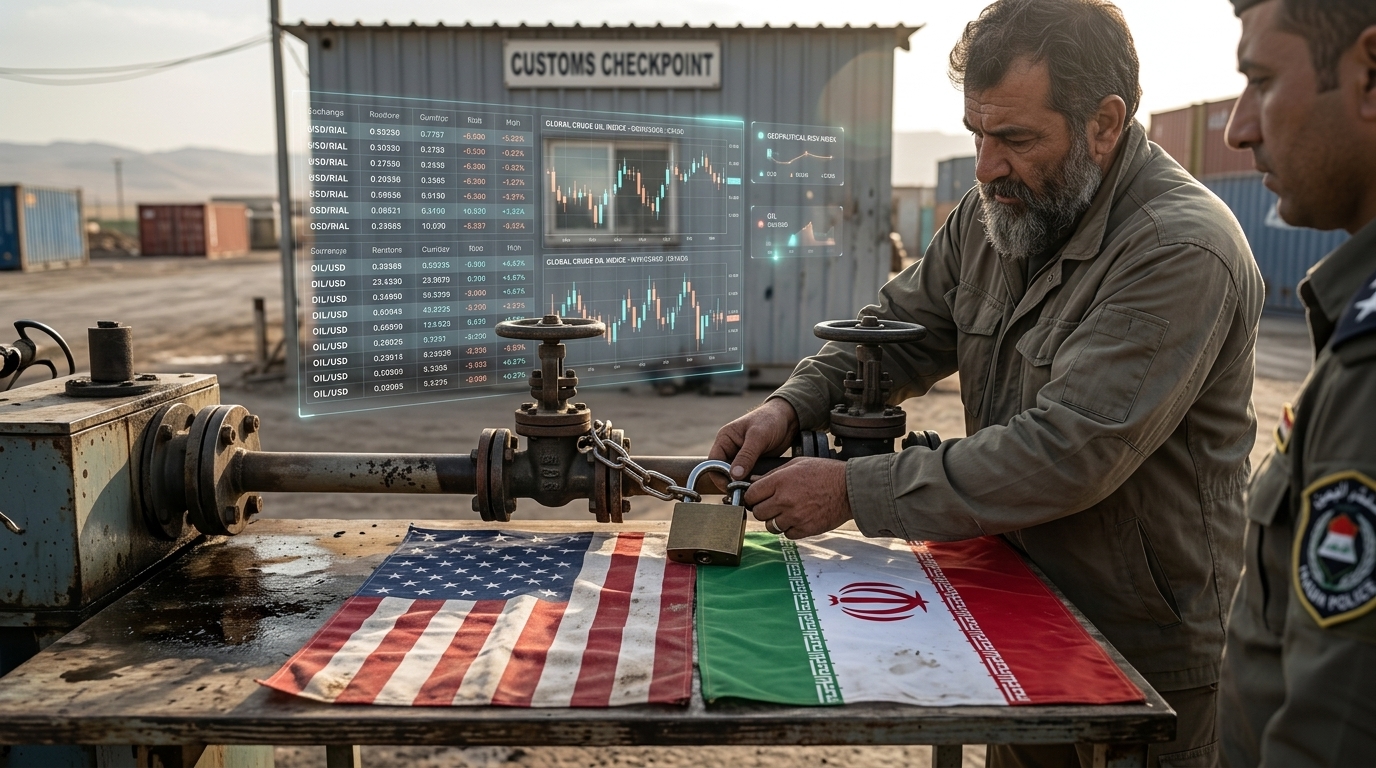
While Taiwan represents the technological front, the Strait of Hormuz is the artery of global energy. Recent escalations in the Middle East and China's growing influence over Iran have alarmed Washington. During the talks, Trump reportedly asked Xi to use his economic leverage over Tehran to ensure freedom of navigation, offering in exchange a relaxation of tariffs on specific Chinese goods.
China, on the other hand, views the Strait of Hormuz as part of its "Belt and Road Initiative." Beijing's dependence on Iranian and Saudi oil forces it to play a peacemaker role that nonetheless challenges traditional American hegemony in the region. The conflict of interest is obvious: the US wants control over flows for geopolitical leverage, while China wants stability to fuel its industrial machine.
Trade, Tariffs, and the Shadow of Artificial Intelligence
Beyond geopolitics, the summit focused on the economic showdown. Trump brought back the threat of 60% horizontal tariffs on Chinese goods, a move Beijing characterized as "economic terrorism." However, the real battle is being fought in the field of Artificial Intelligence. China has invested billions to reach the level of American models, but restrictions on Nvidia's GPUs remain an insurmountable obstacle.
According to analysts, the deal that seems to be emerging—though not officially announced—is a form of "managed competition." The two sides appear to agree on common rules for AI safety, fearing an uncontrolled escalation that could lead to accidental nuclear war through automated defense systems. "Algorithmic diplomacy" is now just as important as traditional gunboat diplomacy.
Conclusion: A Peace with an Expiration Date?
The conclusion of the Beijing summit leaves the world in a state of suspense. The personal chemistry between Trump and Xi, though often described as "friendly" by the American president, cannot hide the chasm of national interests. Taiwan remains a powder keg and Hormuz the fuse. The global community watches with bated breath, knowing that one wrong move in these two straits could blow up the global economy and peace. The 2026 summit did not solve the problems, but it managed to buy time—and in the current geopolitical chessboard, time is the most expensive currency.