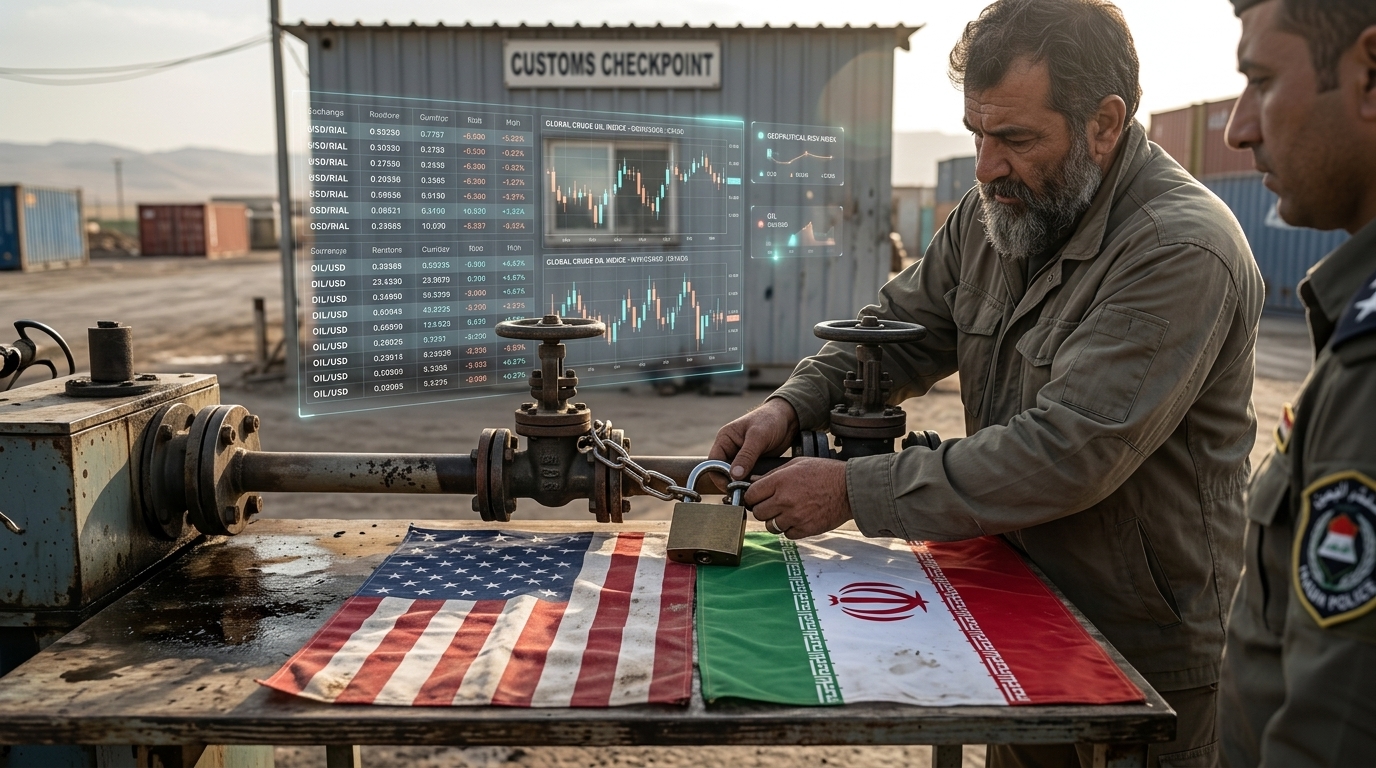
The global technological chessboard is reeling from recent revelations exposing a sophisticated operation to bypass U.S. export restrictions. According to reports, executives linked to server manufacturing giant Super Micro Computer Inc. (Supermicro) allegedly utilized a Thai government entity as a front to funnel cutting-edge Nvidia Graphics Processing Units (GPUs) to Chinese web giant Alibaba. This case is not merely a corporate violation; it represents a profound geopolitical fracture in the containment wall Washington is attempting to build around Chinese Artificial Intelligence.
The Mechanics of the Thai Bypass
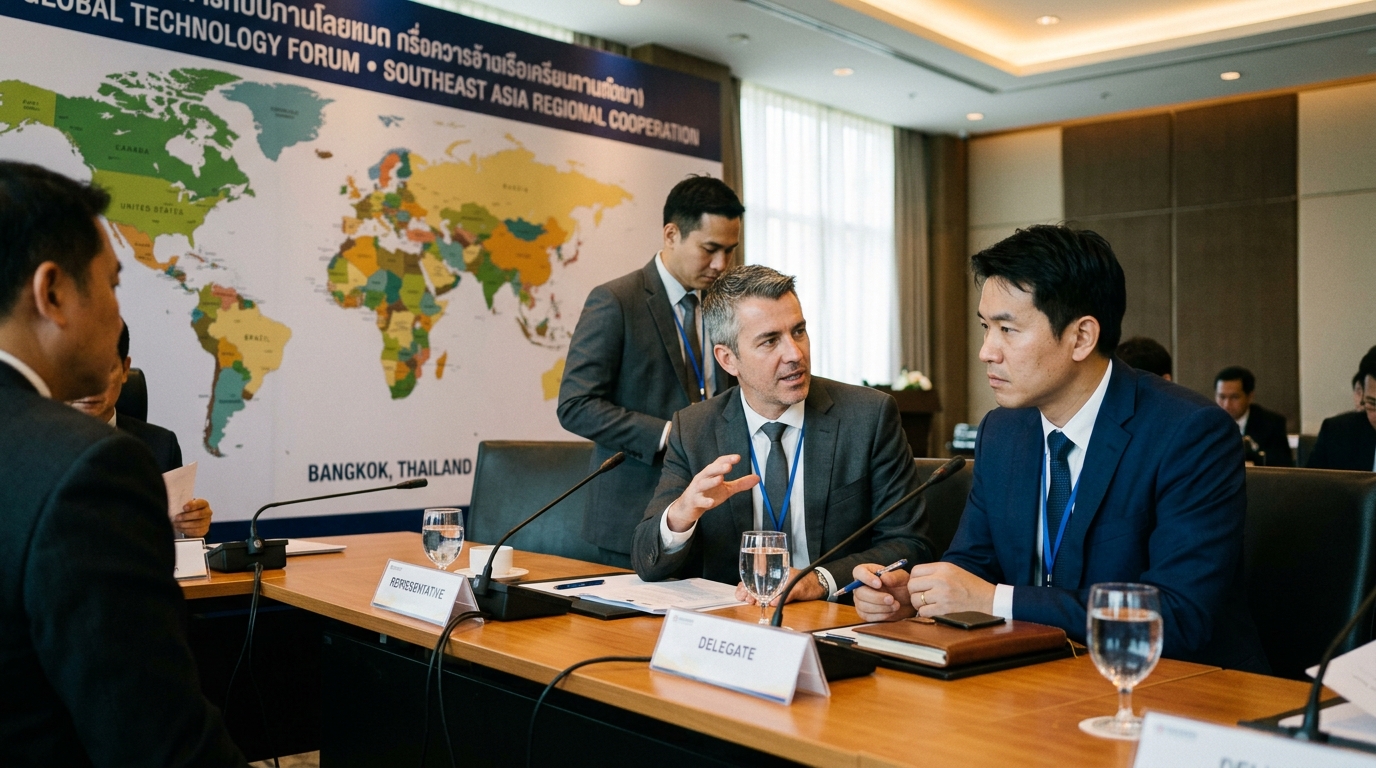
At the heart of the controversy lies Thailand’s National Science and Technology Development Agency (NSTDA). Allegations suggest that servers equipped with Nvidia’s powerful H100 chips—strictly prohibited for export to China due to their dual-use military potential—were ordered by the Thai agency. However, their ultimate destination was not laboratories in Bangkok, but Alibaba’s data centers in China. This method, known as 'grey market shipping,' exploits third-party countries that maintain friendly ties with both the West and the East.
The involvement of executives tied to Supermicro suggests a deep-seated understanding of supply chain vulnerabilities. Supermicro, already under scrutiny by U.S. authorities for accounting irregularities and past sanctions violations, appears to have acted as the technical enabler of a route that renders U.S. Department of Commerce Bureau of Industry and Security (BIS) controls essentially moot. Utilizing a government entity provides a veneer of legitimacy that makes it exceptionally difficult for customs auditors to flag the fraud before the hardware changes hands in international waters or transit hubs.
Alibaba’s Insatiable Hunger for Compute
For Alibaba and other Chinese tech titans, access to Nvidia chips is a matter of survival. In the race for AI supremacy, the H100 chips and their successors are the 'gold standard.' Without them, the training of Large Language Models (LLMs) is drastically delayed, placing China at a disadvantage against the likes of OpenAI and Google. The revelation that Alibaba received these restricted servers proves that Beijing is willing to pay a premium and risk diplomatic incidents to secure the hardware it needs.
- U.S. sanctions aim to limit Chinese military capabilities via AI development.
- Alibaba utilizes these chips to compete globally in cloud computing and generative AI.
- The semiconductor 'black market' in Asia is now estimated to be worth billions of dollars.
This situation creates a vicious cycle. As restrictions tighten, bypass methods become more imaginative. Thailand, Malaysia, and Vietnam have emerged as critical nodes in this shadow economy, where technology is 'laundered' through local shell companies or even unsuspecting (or bribed) state agencies.
Geopolitical Implications and Washington’s Response
This disclosure is expected to trigger a new wave of investigations by the U.S. BIS. If it is proven that Supermicro’s leadership knowingly facilitated these shipments, the sanctions could be devastating, potentially leading to a total ban from the U.S. market. Furthermore, pressure on the Thai government will intensify, forcing it to pick a side in a technological cold war that allows for little neutrality.
"Technology knows no borders, but political agendas try to impose them. What we are witnessing is the failure of bureaucracy to control the speed of the market," says an international relations analyst.
In conclusion, the Supermicro-Alibaba-Thailand case serves as a warning signal. Washington may control intellectual property and manufacturing plants, but it cannot control every crate crossing the Pacific. The battle for chips is the battle for global power in the 21st century, and it appears the rules are merely suggestions for those with enough ingenuity and capital.