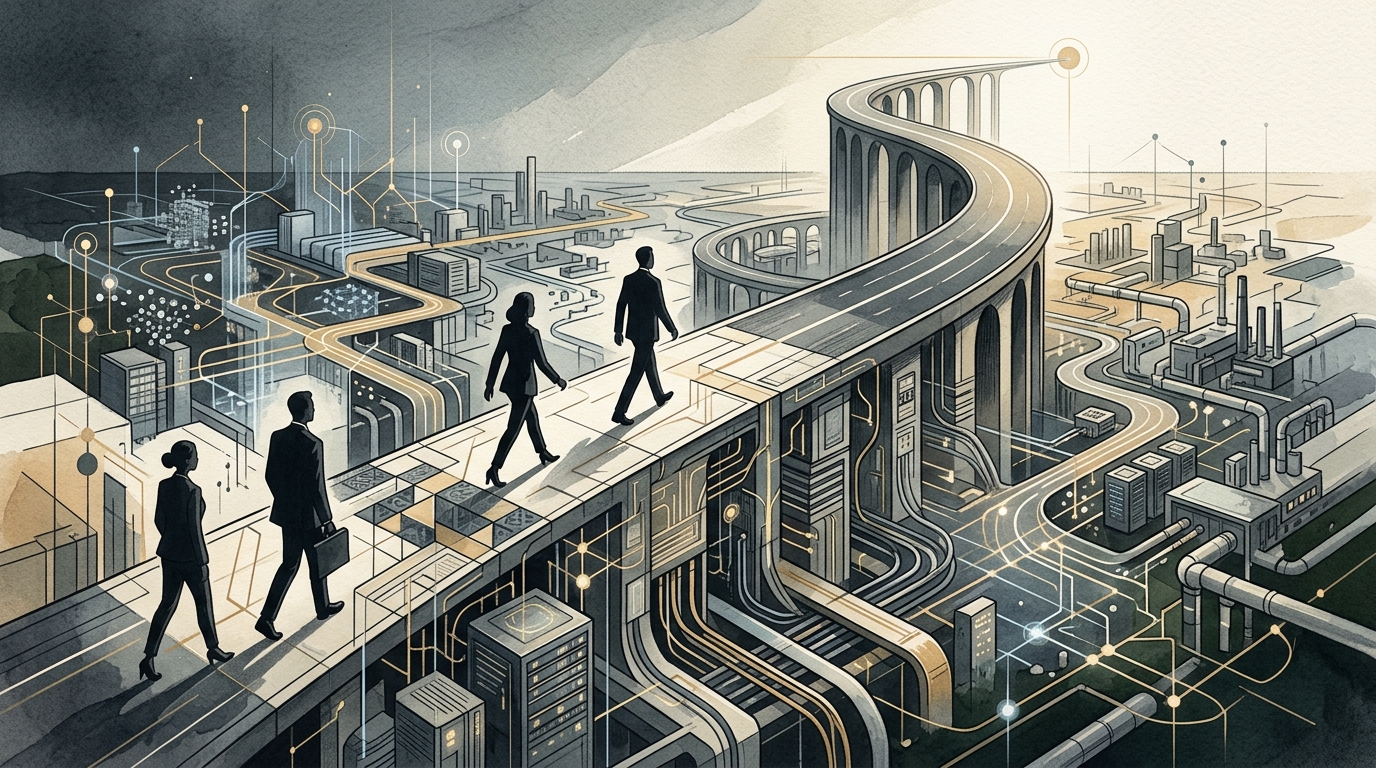
South Korea, a nation that has existed in a state of constant military readiness for decades, is now facing an adversary more relentless than the threats from Pyongyang: demographic collapse. With fertility rates plunging to historic lows, Seoul is being forced to reinvent the very concept of national security. According to recent reports and strategic blueprints emerging on May 11, 2026, the country’s Ministry of National Defense is accelerating its partnership with Hyundai Motor Co. to deploy advanced robotic systems to the front lines.
The Demographic Time Bomb and Military Necessity
For decades, the strength of the Republic of Korea (ROK) Armed Forces relied on mandatory conscription and a vast pool of reservists. However, the demographic reality is now unavoidable. The number of eligible conscripts is shrinking at a rate that makes maintaining a 500,000-strong standing army mathematically impossible. The administration of President Yoon Suk-yeol has prioritized the "Defense Innovation 4.0" initiative, which aims to transition from a labor-intensive military to a technology-intensive force.
Hyundai, through its subsidiary Hyundai Rotem and the acquired robotics pioneer Boston Dynamics, is at the heart of this transition. Robots are no longer viewed as auxiliary tools but as central pillars of the defensive posture. The use of quadrupedal robots (similar to the 'Spot' model) for patrols in the Demilitarized Zone (DMZ) and autonomous ammunition transport vehicles is already in pilot stages, with full integration targeted by 2028.
Technological Superiority and Artificial Intelligence
The partnership with Hyundai is not just about mechanics; it is fundamentally about AI integration. The systems under development include autonomous armored vehicles capable of identifying targets in real-time, reducing the need for human intervention in high-risk zones. Hyundai Rotem’s "Multi-Purpose Unmanned Ground Vehicles" (U-UGVs) are equipped with remote-controlled machine guns, chemical weapon detection sensors, and medical evacuation capabilities.
The ultimate goal for Seoul is the networking of these units into a unified command-and-control system. AI will allow a single soldier to oversee an entire squad of robotic units, multiplying firepower and surveillance capacity without requiring the physical presence of dozens of men. This "Manned-Unmanned Teaming" (MUM-T) model represents the future of Korean defense, shifting the burden of risk from flesh and blood to silicon and steel.
Geopolitical Implications and Ethical Dilemmas
South Korea’s move is being closely monitored by China and Japan, as it shifts the balance of power in East Asia. While technology offers a solution to the demographic crisis, it raises profound questions regarding weapon autonomy. The international community remains concerned about the potential for "lethal autonomous weapon systems" (LAWS) that could make life-and-death decisions without direct human oversight. Seoul maintains that a "human-in-the-loop" will always be required, but the speed of robotic warfare may eventually make human reaction times obsolete.
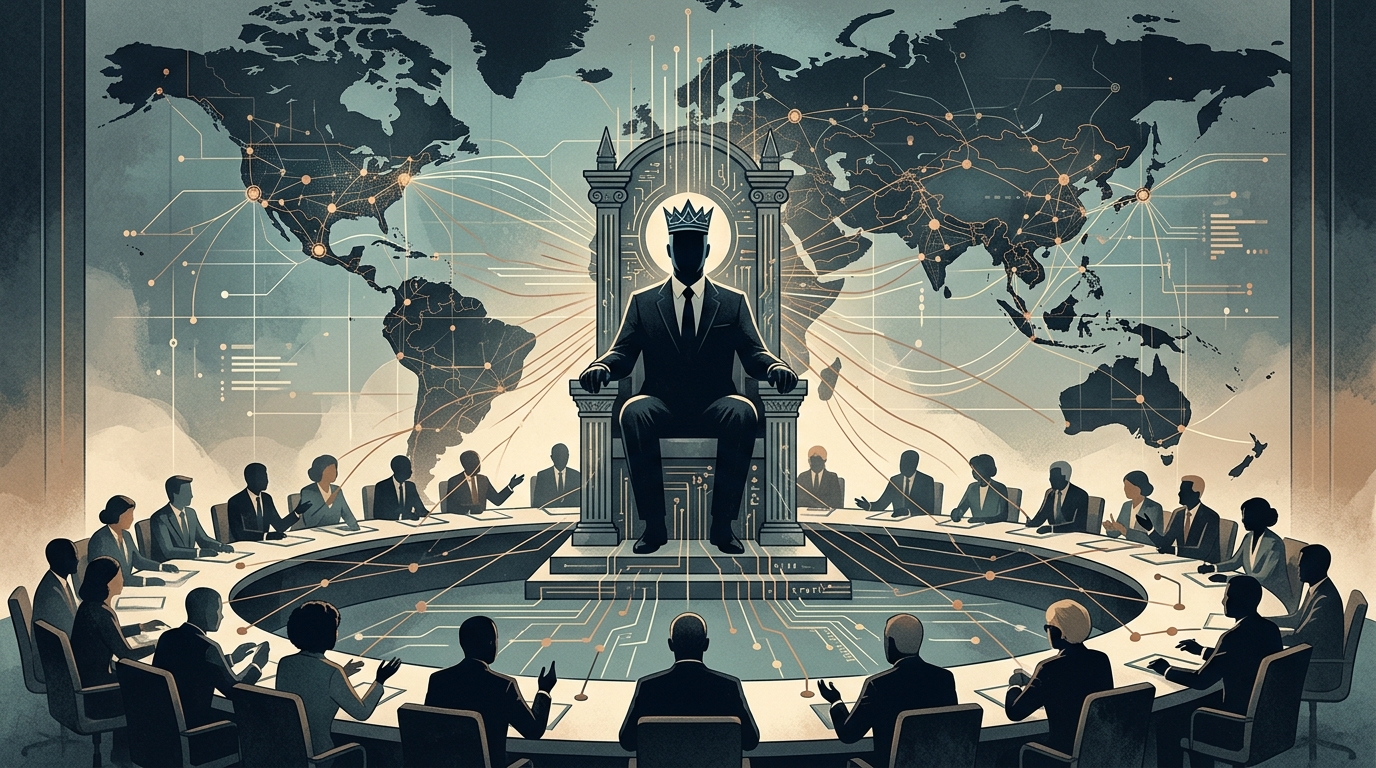
Furthermore, the state's reliance on a corporate titan like Hyundai for national security creates a new form of military-industrial complex. Hyundai is no longer just an automaker; it is evolving into a "Security as a Service" provider, influencing the nation’s foreign policy through defense exports, as evidenced by recent multi-billion dollar tank deals with Poland. This fusion of corporate interest and national survival is a paradigm shift for the democratic world.
Conclusion: The Future of Warfare is Already Here
South Korea is serving as a global laboratory for how developed societies will handle aging populations and shrinking labor pools. If the Hyundai experiment succeeds, it will provide the blueprint for NATO and other alliances facing similar recruitment crises. However, the transition to a robotic military is not merely a technical challenge; it is a profound social and ethical shift that will redefine the meaning of sovereignty and combat in the 21st century.