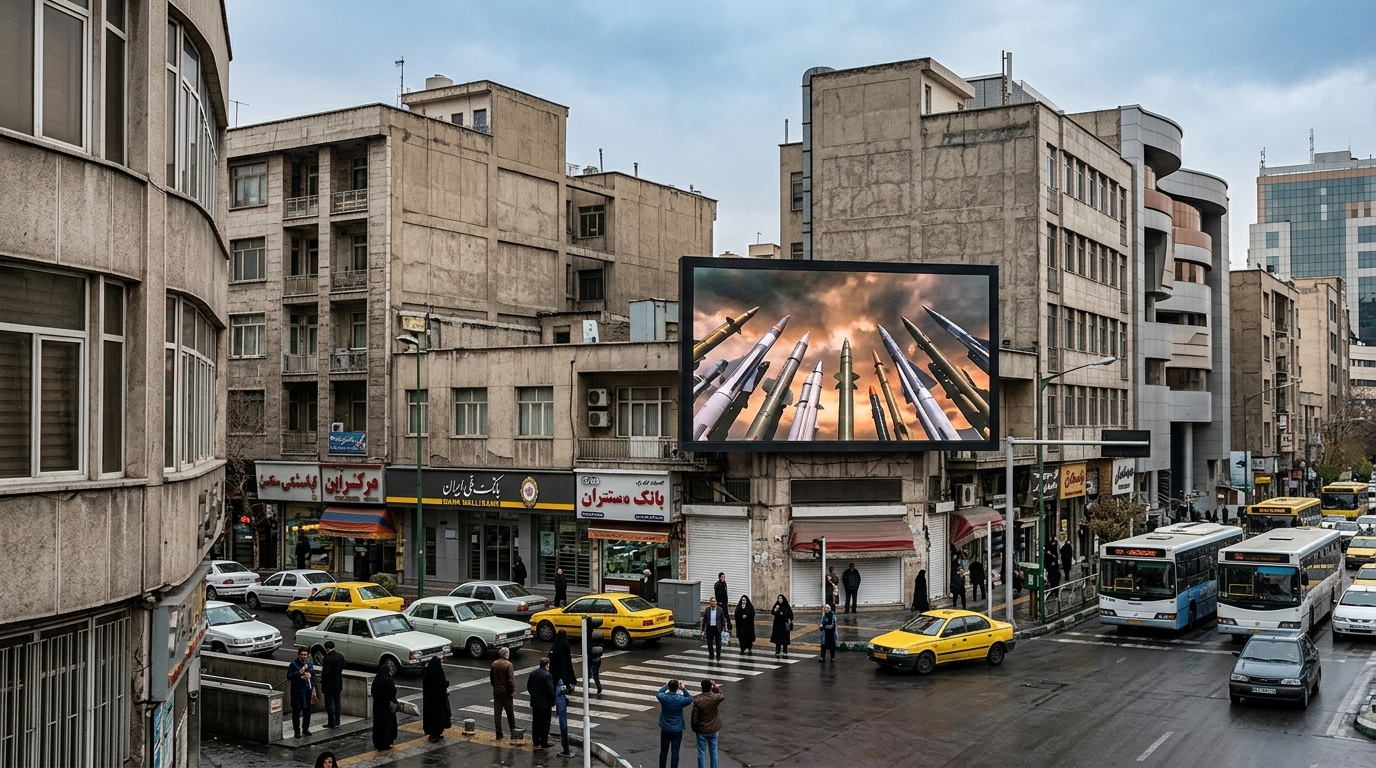
In an era where the geopolitical landscape of the Middle East and South Asia resembles a minefield, the recent telephone conversation between Pakistani Prime Minister Shehbaz Sharif and Iranian President Masoud Pezeshkian carries significant weight. While the official statement focuses on "peace" and "brotherly cooperation," the glaring absence of any mention of a new round of formal talks suggests a state of suspension, where both nations attempt to manage internal and external pressures without committing to premature moves.
Historical Context and Recent Frictions
To understand the depth of this contact, one must look back to the beginning of 2024, when relations between Islamabad and Tehran were severely tested. Reciprocal airstrikes in border areas, targeting separatist groups, brought the two nuclear (or potentially nuclear) powers to the brink of an uncontrolled conflict. The rapid de-escalation that followed was a masterclass in realpolitik, yet the wounds in trust remain open. Sharif, leading a country plagued by an economic crisis, knows that stability on the western border is essential for his government's survival.
On the other hand, Pezeshkian, who assumed the Iranian presidency at a critical juncture, seeks to project a face of moderation and regional cooperation. The communication with Pakistan is part of his strategy to end Tehran's diplomatic isolation, especially at a time when relations with the West remain frozen due to the nuclear program and support for regional militias.
Economic Cooperation and the Specter of Sanctions
One of the central themes underlying every Pakistan-Iran contact is the Iran-Pakistan Gas Pipeline (IP Pipeline). This project, delayed for decades, is the bone of contention in Pakistan's relations with the US. Washington has repeatedly warned Islamabad of sanctions if it proceeds with the pipeline's completion, while Tehran threatens international arbitration for breach of contract.
- Pakistan's need for cheap energy is imperative for its industrial survival.
- American pressure significantly limits Sharif's room for maneuver.
- Iran utilizes energy as a tool of diplomatic leverage in the region.
In their conversation, the two leaders seemed to avoid the "hot" details, focusing instead on a general will to enhance trade. This tactic of "strategic ambiguity" allows both sides to buy time without triggering immediate external backlash.
Border Security and the Baluchistan Factor
The Baluchistan region, spanning both sides of the border, remains the primary source of friction. Organizations like Jaish al-Adl and Baluch separatists use the rugged terrain to launch attacks. During the phone call, the need for "coordinated action" was emphasized once again. However, the lack of reference to a new round of security talks suggests that the two countries have yet to find a middle ground regarding intelligence sharing and joint operations.
"Peace in the region is not merely a wish but a geostrategic necessity for the survival of our nations," Sharif reportedly stated, reflecting the anxiety to avoid opening a new front.
Why the Silence on New Talks Matters
The absence of an announcement for a specific timeline for meetings can be interpreted in two ways. Either both sides believe that existing communication channels are sufficient, or—more likely—there is a deep-seated mistrust that does not yet allow for the next big step. Pakistan is performing a delicate balancing act between Saudi Arabia, the US, and Iran. Any formal "pivot" toward Tehran could disrupt relations with Riyadh, which remains Islamabad's primary financial backer.
In conclusion, the Sharif-Pezeshkian contact was a move of appeasement and maintenance of the status quo. In a rapidly changing world, "silent diplomacy" is often more revealing than grand declarations. The peace invoked by the two leaders is a peace of necessity, not necessarily a peace of vision. As the region awaits the outcome of the US elections and the evolution of the Gaza conflict, Islamabad and Tehran are choosing to keep their cards close to their chests.