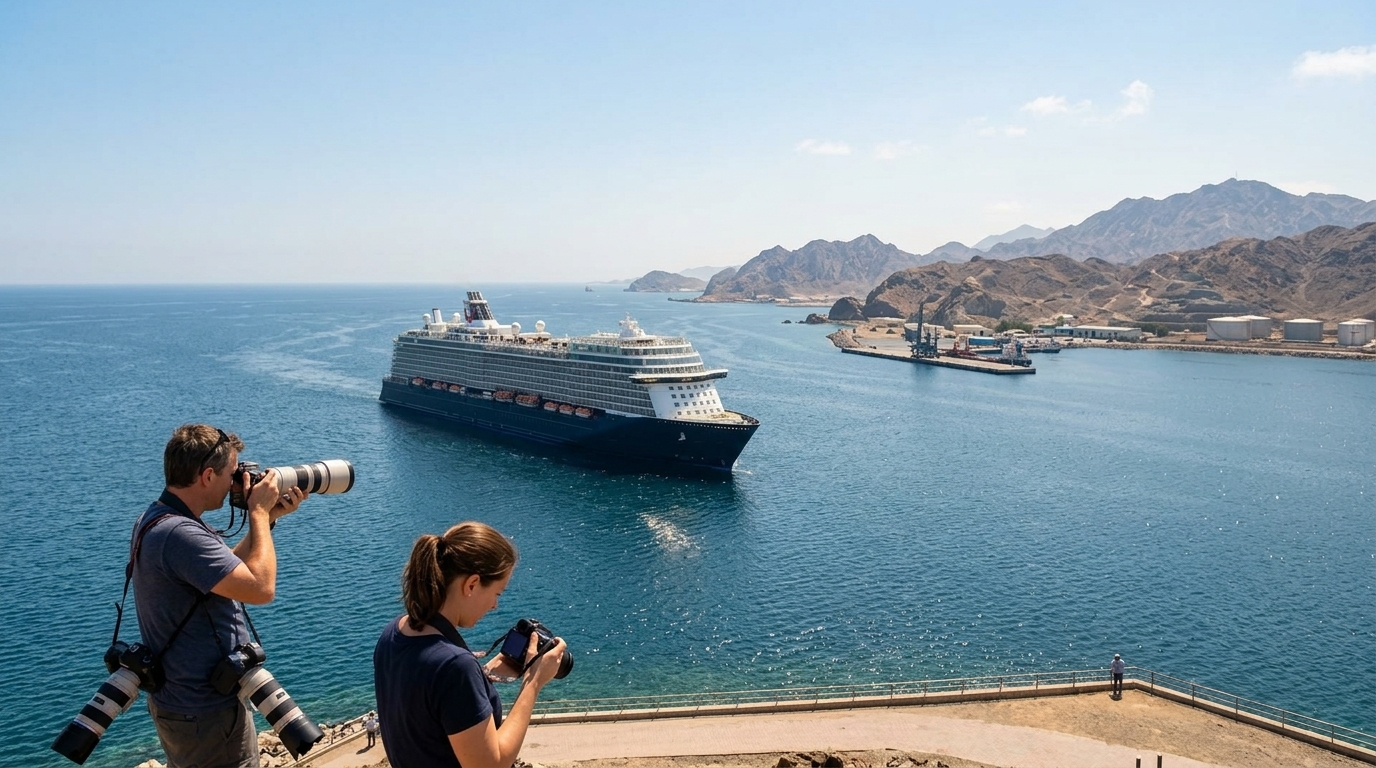
In an era where geopolitical volatility in the Middle East has forced most shipping lines to overhaul their itineraries, the news that two cruise ships from the German giant TUI, Mein Schiff 4 and Mein Schiff 5, successfully transited the Strait of Hormuz, has caused both a stir and a sense of unease. This passage is not merely an operational success; it is a symbolic move on the chessboard of global navigation, occurring in one of the most critical and combustible flashpoints on the planet.
The Strategic Importance of the Strait of Hormuz
The Strait of Hormuz is the only sea passage from the Persian Gulf to the open ocean, making it one of the world's most vital strategic chokepoints. Approximately 21% of global petroleum liquid consumption passes through here, making it the "lungs" of the global economy. However, its geography, sandwiched between Iran and Oman, places it at the heart of regional rivalries.
For the cruise industry, the region represents a burgeoning luxury destination, with Dubai, Abu Dhabi, and Muscat investing billions in infrastructure. TUI’s decision to maintain its routes there, despite threats from Yemen and the ongoing tension between Iran and the West, demonstrates a resolve not to abandon a lucrative market, notwithstanding the obvious risks involved.
Risk Management and Security Protocols
The successful transit of Mein Schiff 4 and 5 was no accident. According to industry sources, TUI Cruises employs rigorous security protocols involving close cooperation with international naval forces and intelligence agencies. These vessels, carrying thousands of passengers, are essentially "soft targets" in the event of an escalation.
- Continuous monitoring of maritime traffic via satellite systems.
- Additional onboard security personnel trained in crisis management.
- Strict adherence to international maritime rules to avoid misunderstandings with Iranian forces.
"The safety of our passengers and crew remains our absolute priority. We are monitoring the situation 24/7," a company spokesperson stated.
The Economic Dimension and Impact on Tourism
Middle Eastern cruising is at a critical crossroads. While demand for exotic destinations remains high, war risk insurance premiums have skyrocketed. For TUI, staying in the region is a gamble. If competitors withdraw, the company could monopolize the market; however, a single incident could be catastrophic for its brand reputation.
Furthermore, the Red Sea crisis has already forced many companies to cancel Suez Canal transits, opting for the longer and more expensive route around the Cape of Good Hope. The Hormuz transit remains the only exit for ships already in the Gulf wishing to head toward Asia or Europe via alternative routes.
Geopolitical Implications and the Path Ahead
TUI's maneuver occurs in an environment where Tehran has repeatedly threatened to close the Strait in the event of total war. The presence of Western cruise ships there acts as a form of "normalization" of the status quo, yet it simultaneously exposes civilians to potential provocations or miscalculations. The international community watches these movements closely, as freedom of navigation is a cornerstone of international law.
In conclusion, the passage of Mein Schiff 4 and 5 serves as a reminder that the global economy and tourism are inextricably linked to geopolitics. The ability of corporations to navigate not just the seas but also diplomatic tensions will define the future of the cruise industry in the coming years.