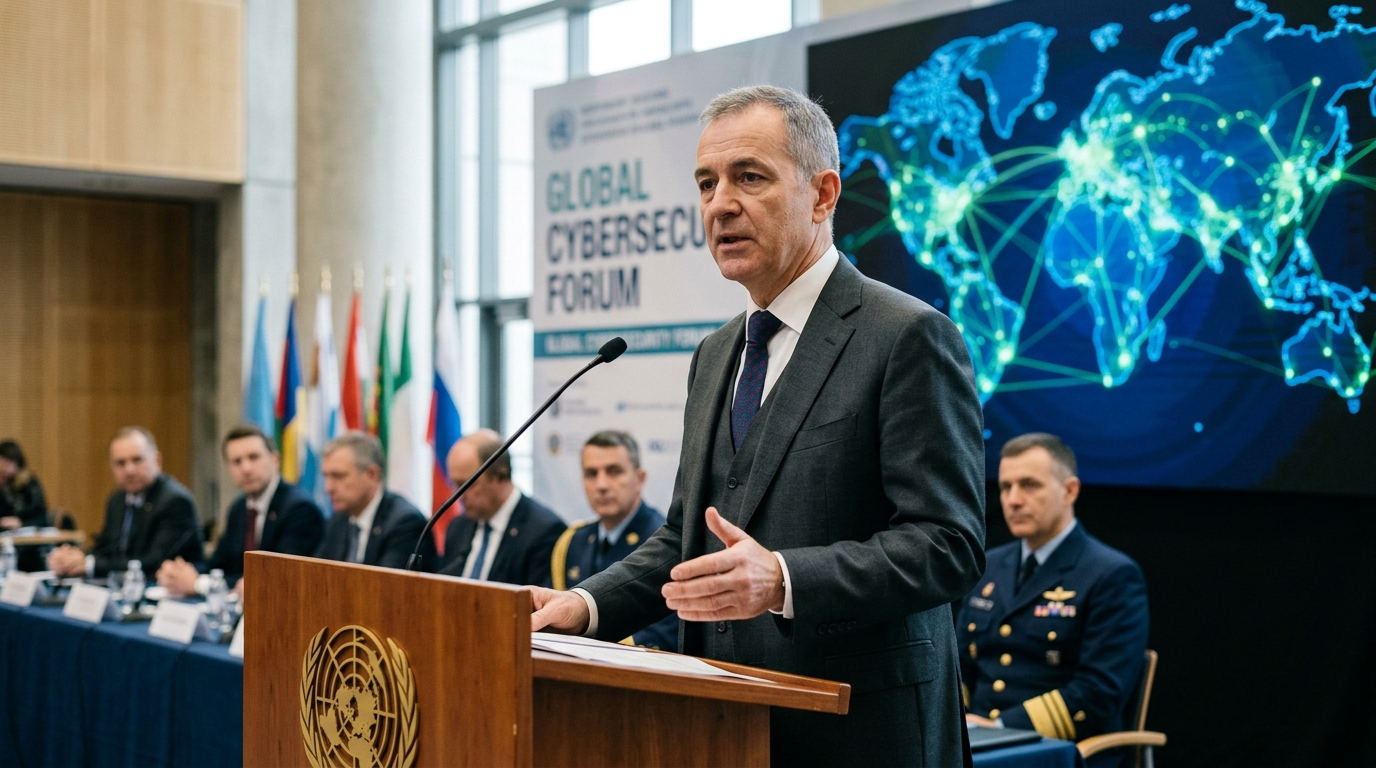
At a historical juncture where geopolitical balances in Europe are being tested more than at any time since World War II, recent statements by Marco Rubio formalize a significant pivot in United States foreign policy. The U.S. official, articulating the administration's current line, emphasized that Washington remains ready to play the role of mediator to end the conflict in Ukraine. This stance is not merely a diplomatic nicety but a clear signal that the White House is now actively seeking an exit from the protracted military conflict, shifting the center of gravity from unconditional military support to the pursuit of a sustainable diplomatic solution.
The Strategy of 'Realistic Peace'
Rubio's rhetoric reflects a deeper change in how Washington perceives the costs and benefits of its involvement in the Ukrainian front. After years of grueling combat and billions of dollars in weapons programs, the American leadership appears to be adopting a 'Realpolitik' approach. The goal is no longer just the total defeat of Russia on the battlefield—a goal that has proven extremely complex—but the securing of a security architecture that will allow the U.S. to focus on other challenges, primarily in the Indo-Pacific and the confrontation with China.
Rubio stressed that U.S. mediation would be based on the principle of a 'position of strength.' However, analysts point out that the call for negotiations carries an implicit message to Kyiv: Western aid is not inexhaustible. Washington seeks to bring both parties to the table, recognizing that a prolonged war of attrition threatens Europe's economic stability and social cohesion within the United States itself.
Kyiv's Reaction and the European Dilemma
For Volodymyr Zelenskyy's government, the prospect of U.S. mediation under current terms leaves a 'bitter taste.' While Kyiv desires peace, its insistence on the full restoration of the country's territorial integrity clashes with the desire of certain circles in Washington for a 'compromise.' The concern in the Ukrainian capital is that mediation under the pressure of time and American electoral cycles could lead to a 'frozen conflict,' leaving parts of the country under Russian control.
On the other hand, Brussels is watching with unease. The European Union, which has invested politically and economically in Ukraine's success, fears that a unilateral American initiative could marginalize it. Rubio's statement highlights Europe's lack of strategic autonomy: if Washington decides it is time for peace, European allies will find it very difficult to continue the war alone.
The Challenges of Mediating with the Kremlin
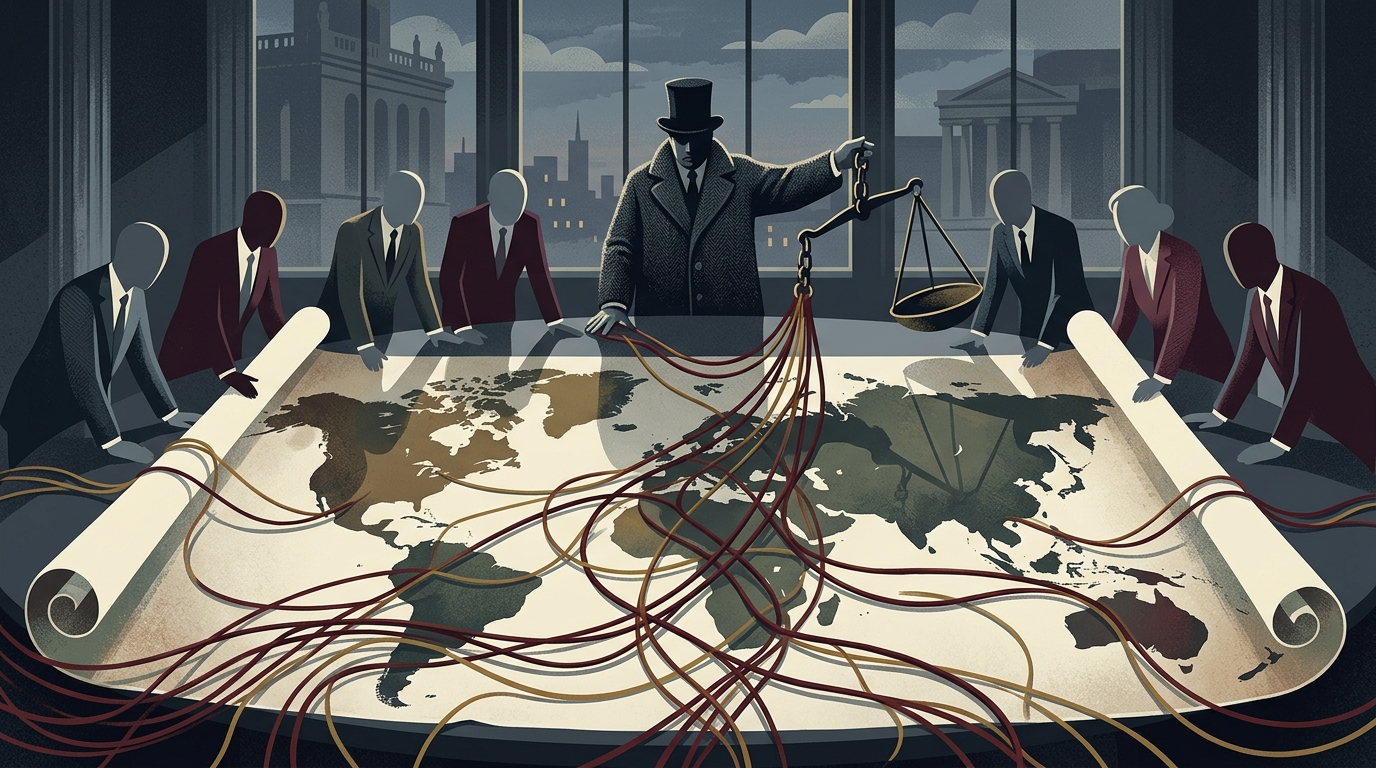
The big question remains Moscow's stance. Vladimir Putin has repeatedly stated that negotiations must take into account 'new territorial realities.' Rubio, despite his role as mediator, knows that Russia will try to exploit the American desire for de-escalation. The challenge for American diplomacy is to offer Moscow enough incentives to stop hostilities without appearing to reward aggression.
"Peace is not merely the absence of war, but the presence of justice. However, in international politics, justice is often defined by what is feasible," diplomatic sources in Washington suggest.
In this context, U.S. mediation may involve:
- Security guarantees for Ukraine that do not necessarily include immediate NATO membership.
- A gradual lifting of sanctions against Russia in exchange for troop withdrawals.
- The creation of demilitarized zones under international supervision.
Conclusion: A World in Transition
Marco Rubio's statement marks the end of the 'as long as it takes' phase and the beginning of the 'as much as possible' phase. Washington recognizes that its hegemony is being tested and chooses to manage the crisis before it spins out of control. Whether Rubio will go down in history as the architect of a new European peace or as the man who sealed a painful retreat for the West remains to be seen in the negotiation rooms that will soon open.