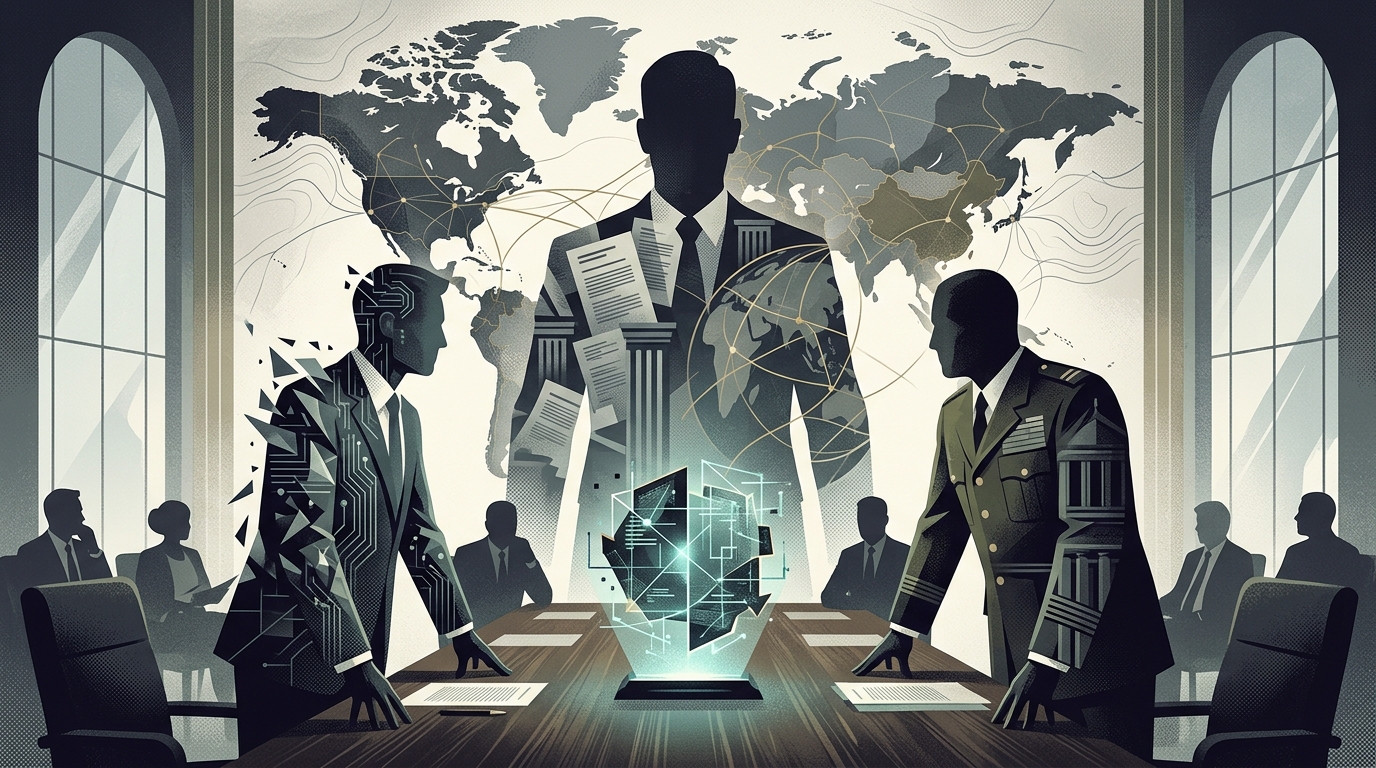
In the modern geopolitical landscape, where the lines between cyberspace and the physical battlefield are increasingly blurred, technological superiority is no longer measured solely by the number of tanks or aircraft, but by the speed of information processing. The recent announcement of the partnership between PwC and Google Cloud to modernize intelligence-led defense marks a pivotal moment in the convergence of high technology and state strategy. This move is not merely about a software upgrade; it represents a fundamental transformation in how nations perceive the protection of their borders and critical infrastructure.
The Architecture of the New Defense Reality
The partnership combines PwC’s vast experience in strategic management and organizational transformation with Google Cloud’s industry-leading capabilities in artificial intelligence (AI) and large-scale data analytics. At the heart of this effort is the creation of an ecosystem where information flows seamlessly from sensors in the field to decision-making centers. The use of machine learning models allows for the real-time analysis of satellite imagery, signals intelligence, and open-source data, providing commanders with a "crystal ball" of predictive insights into adversary movements.
A primary pillar of this collaboration is the transition from traditional, siloed systems to unified cloud platforms. In the past, intelligence was often lost in bureaucracy or incompatible digital environments. Google Cloud provides the infrastructure to store and process this data with zero-trust security, ensuring that only authorized personnel have access to critical information while simultaneously protecting against sophisticated cyberattacks.
Predictive Maintenance and Logistics: The Invisible Power
Beyond direct operations, the collaboration focuses on a critical yet often overlooked sector: logistics. PwC is implementing Google’s analytical models for the predictive maintenance of military equipment. Instead of waiting for an aircraft engine to fail, algorithms can predict hardware failure weeks before it occurs by analyzing data from thousands of sensors. This not only reduces costs but dramatically increases the availability of assets during times of crisis.
- Optimization of supply chains in hostile environments.
- Automated inventory management using AI.
- Reduction of the environmental footprint of military movements through smart routing.
This approach transforms defense into a "smart enterprise," where resource efficiency translates directly into operational advantage. PwC brings to the table an understanding of complex regulatory frameworks and government needs, acting as the bridge between Silicon Valley and Ministries of Defense.
The Dilemma of Digital Sovereignty and Ethics
However, the entry of tech giants into the defense sector is not without its challenges. The issue of "digital sovereignty" remains at the top of the agenda, especially for European nations. There is an intense debate over whether reliance on American cloud infrastructure affects the autonomy of national defense strategies. Google Cloud has responded to these concerns by developing sovereign cloud solutions, allowing states to maintain full control of their data within their borders.
"Technology is no longer supportive of defense; it is defense itself," industry analysts remark.
Furthermore, the use of AI in lethal systems or in life-and-death decision-making raises serious ethical questions. PwC and Google Cloud emphasize that their approach focuses on "augmented intelligence," where the human remains in the loop. AI handles the bulk of data processing, but the final judgment rests with the military leader.
Geopolitical Implications and the Future
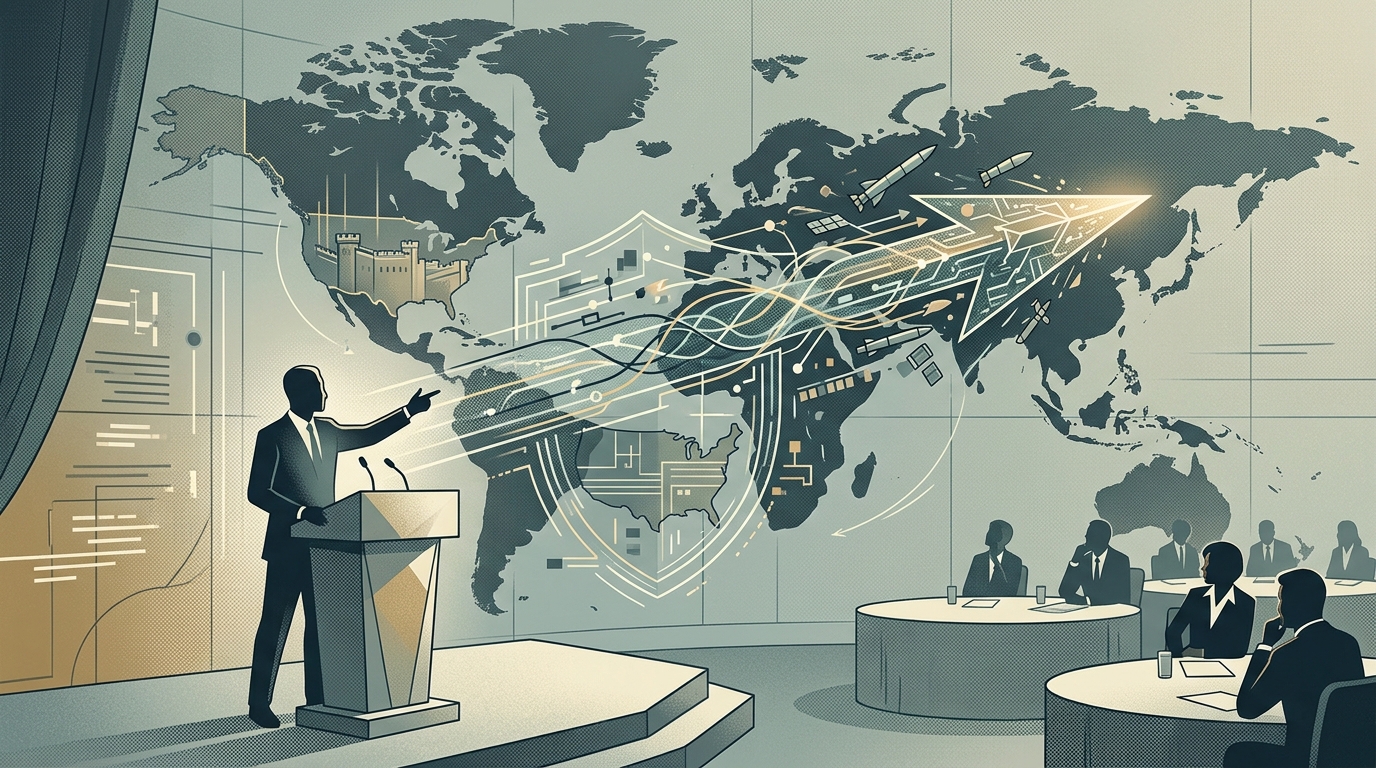
This partnership is part of a broader trend where private companies become strategic partners of states in national security. In a world where China and Russia are investing heavily in AI for military use, the West is forced to accelerate its own processes. The PwC-Google Cloud alliance is a response to this new arms race, where innovation is the most valuable currency. In the future, a state's ability to protect its citizens will depend as much on the quality of its algorithms as on the courage of its soldiers.