The history of global geopolitics is often condensed into narrow passages where geography meets economic might. Today, May 5, 2026, the Strait of Hormuz is not merely a maritime route; it is the epicenter of a global storm threatening to overturn the fragile balance of the international economy. The Trump administration's announcement of "Project Freedom"—an operation involving targeted strikes against Iranian vessels and infrastructure—marks a decisive shift from deterrence to direct confrontation.
The Strategic Importance of the "Jugular Vein"
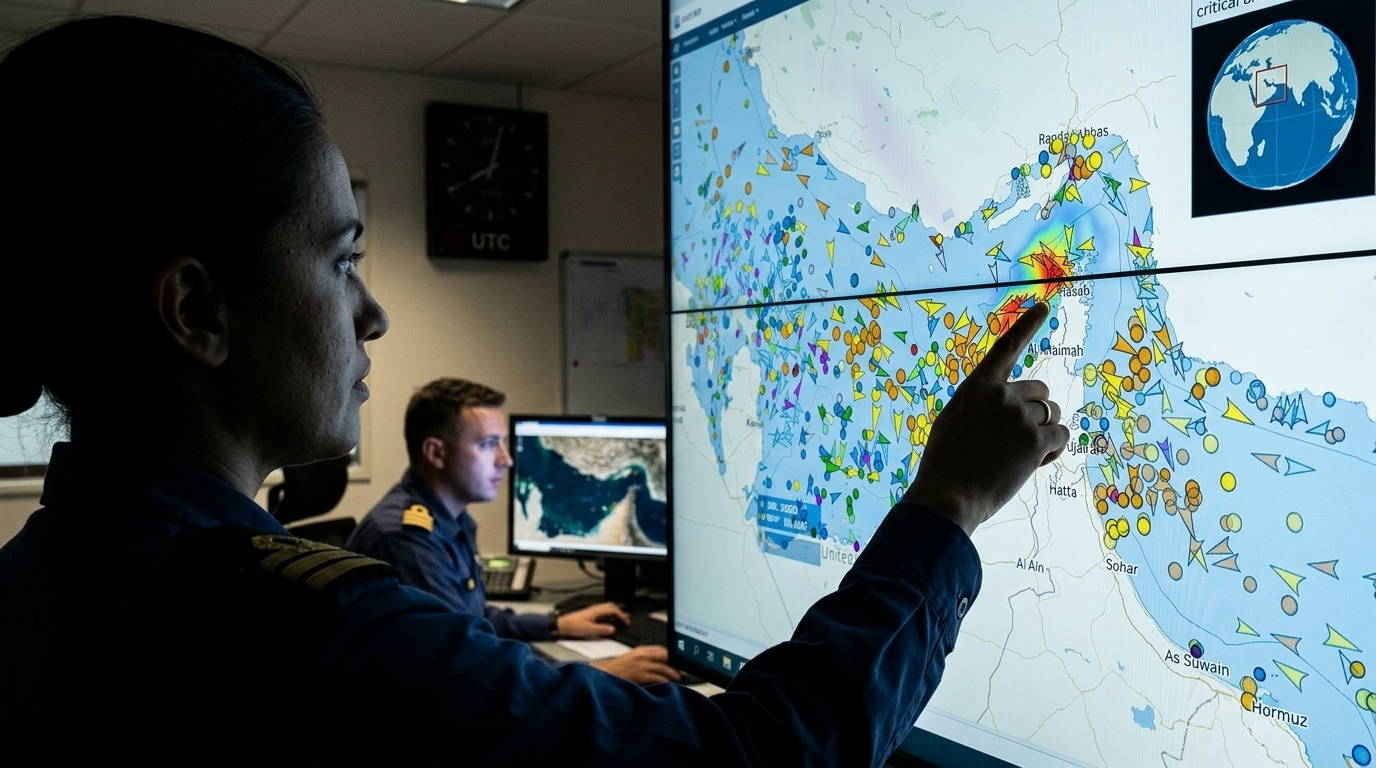
The Strait of Hormuz is the world's most vital artery for oil trade. Approximately 20% of global liquid fuel consumption passes through this narrow stretch, which is only 33 kilometers wide at its narrowest point. For decades, Tehran has used the threat of closing the Strait as its ultimate diplomatic and military leverage. However, Washington's new approach appears to seek the permanent neutralization of this threat, albeit at the risk of triggering exactly what it aims to avoid: prolonged chaos.
The military escalation does not only concern ships. Recent attacks on energy infrastructure in the wider region have driven maritime war risk premiums to levels not seen since the 1973 crisis. Shipowners face an impossible dilemma: continue transits at exorbitant costs or opt for longer, more expensive routes around Africa, further straining the global supply chain.
Project Freedom: Liberation or Destabilization?
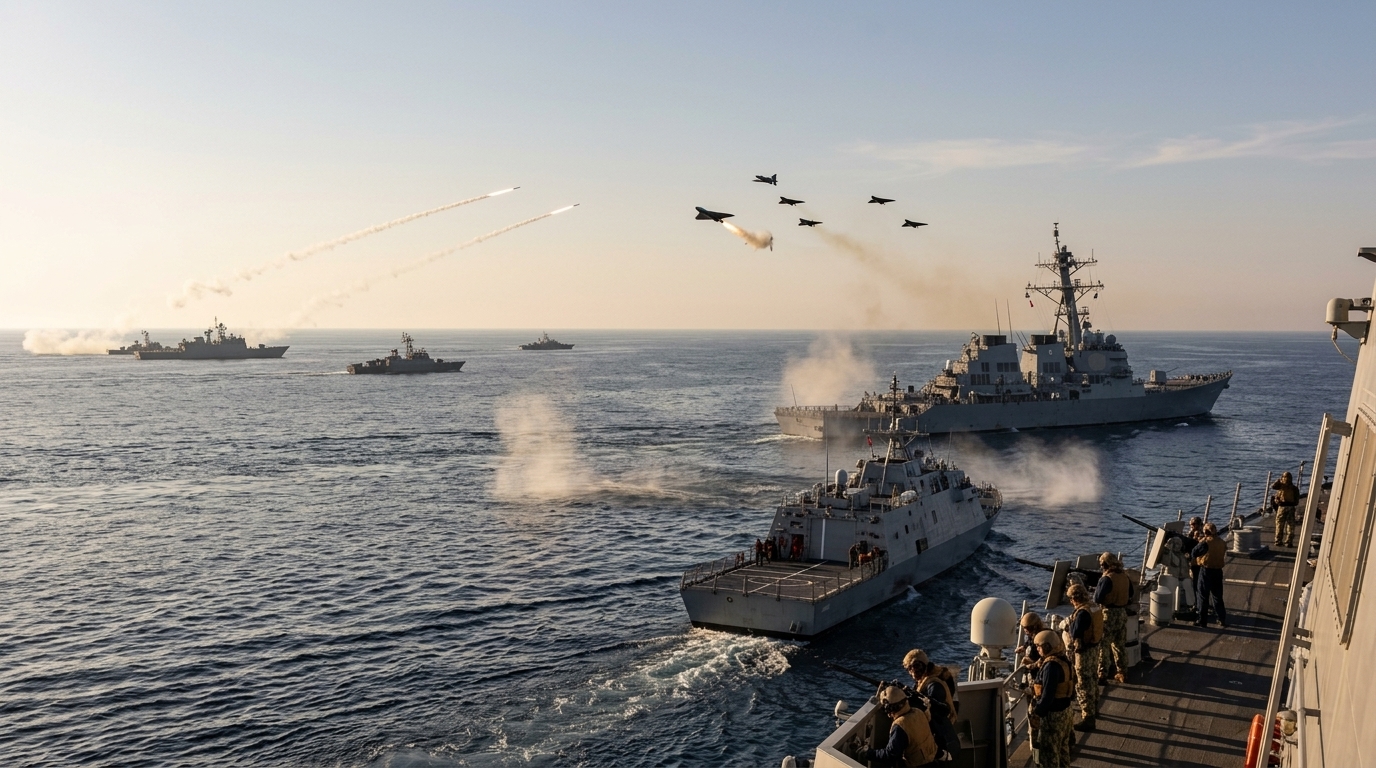
Washington presents "Project Freedom" as an initiative to "ensure freedom of navigation." In reality, it is a display of power aimed at the total strangulation of Iranian economic influence. The use of unmanned surface vessels and AI-driven systems for surveillance and target engagement is changing the nature of naval warfare. Tehran, for its part, responds with asymmetric warfare, employing swarms of drones and fast boats that are difficult to intercept using traditional air defense systems.
Analysts warn that the "Maximum Pressure 2.0" strategy could lead to an uncontrollable chain reaction. If Iran feels it has nothing left to lose, mining the Strait or using missile systems against tankers could freeze the global energy market within hours. Already, Brent crude prices have surged by 15% in a single week, causing tremors in stock markets from Tokyo to New York.
Economic Implications and the Stance of Major Powers
China, as the largest importer of oil from the Persian Gulf, is watching developments with increasing nervousness. For Beijing, the security of the Strait is a matter of national survival. Many Chinese officials view US intervention as an attempt to control energy flows to Asia, further complicating the geopolitical puzzle. The European Union, meanwhile, finds itself in a familiar position of weakness, attempting to balance support for its US ally with the urgent need for energy stability.
- Energy Costs: Rising oil prices are immediately passed on to production and transportation costs, refuelling inflationary pressures worldwide.
- Supply Security: The potential disruption of LNG (Liquefied Natural Gas) flows from Qatar is a nightmare scenario for European industry.
- Geopolitical Shift: The crisis strengthens the role of alternative suppliers, such as Russia and the US itself, altering the map of energy dependencies.
In conclusion, the situation in the Strait of Hormuz is not a localized dispute but an existential test for the global economic system. Whether "Project Freedom" will bring peace through strength or plunge the world into "Project Chaos" depends on whether diplomacy can still find a foothold amidst the crossfire. History teaches us that in the Strait of Hormuz, one miscalculation is enough to ignite a fire that will not be easily extinguished.