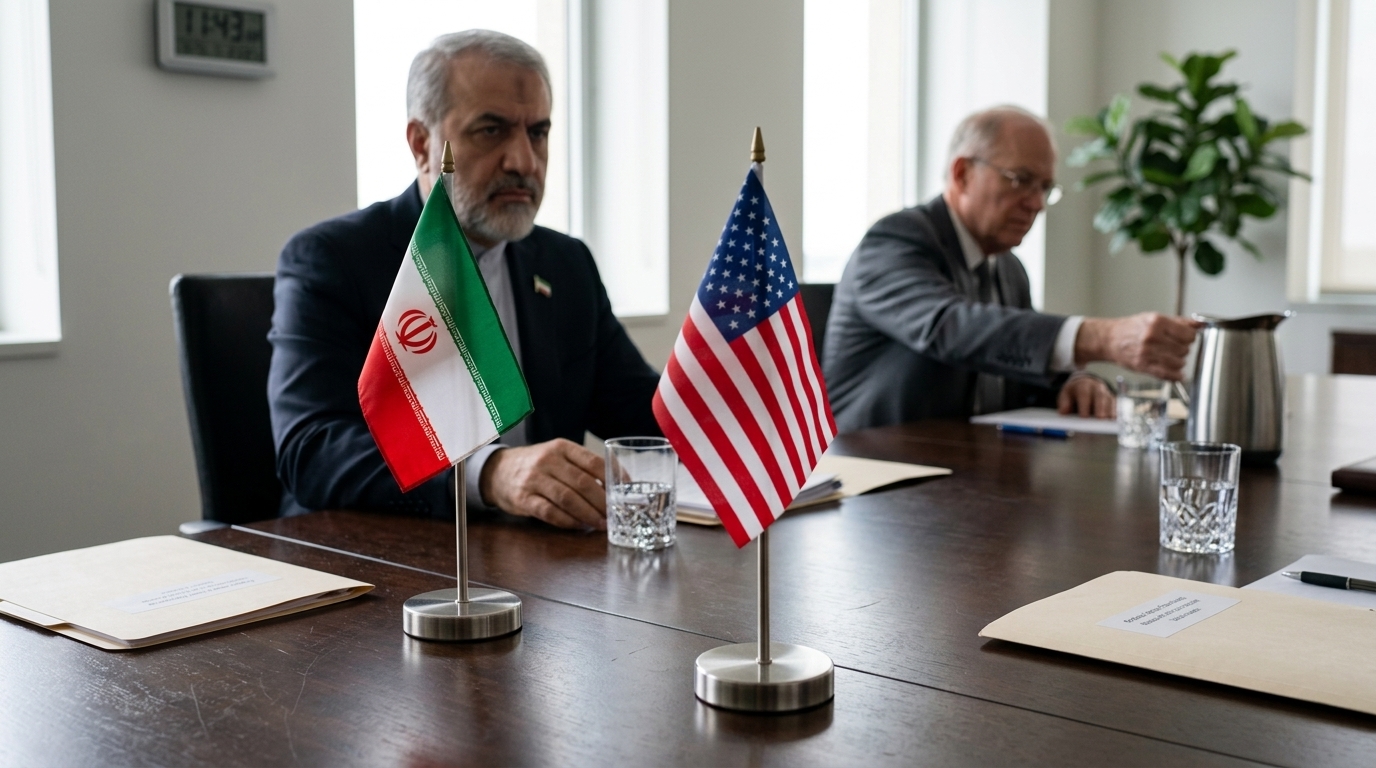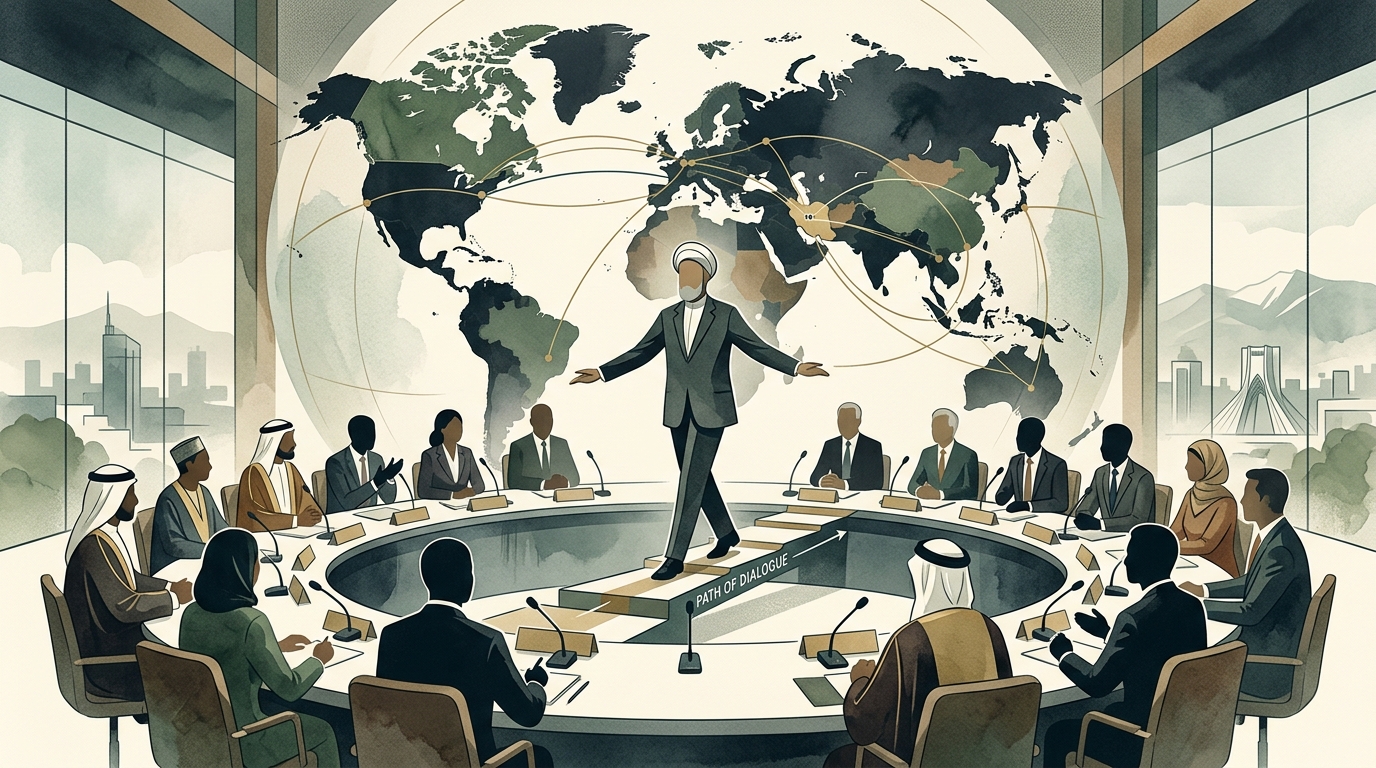
In a period where the Middle East resembles shifting sands, Tehran is attempting a cautious, albeit controversial, pivot toward diplomatic normalcy. Iranian President Masoud Pezeshkian recently made a statement that rippled through the country’s internal political landscape: the Supreme National Security Council (SNSC), the highest decision-making body for defense and foreign policy, supports the "path of dialogue" with the United States. This revelation is not merely a diplomatic nicety but a strategic maneuver on the Iranian power chessboard, where reformists are struggling to regain ground against ultra-conservative forces.
Internal Strife and Political Capital
Pezeshkian, elected on a promise to lead Iran out of international isolation, faces fierce criticism from the "Paydari Front" and other ultra-conservative factions. These groups view any contact with Washington as a betrayal of the Islamic Revolution's principles. However, by invoking the support of the SNSC, Pezeshkian is politically fortifying himself. The SNSC is not a typical government body; it is the forum where all wings of the establishment are represented, including the Islamic Revolutionary Guard Corps (IRGC), and its decisions typically carry the weight of Supreme Leader Ayatollah Ali Khamenei’s approval.
Pezeshkian’s strategy is rooted in the reality that the Iranian economy can no longer sustain the crushing weight of sanctions. With inflation soaring and the national currency, the rial, consistently devaluing, the need for a new deal that allows Iranian oil to return to global markets without restrictions is imperative. Hardliners, however, argue that a "resistance economy" and strengthening ties with Russia and China are the only viable solutions, fearing that dependence on the West will lead to political erosion and cultural infiltration.
The Geopolitical Chessboard of 2026
It is now mid-2026, and the international environment is radically different from the era of the 2015 nuclear deal (JCPOA). Washington, following the 2024 elections, maintains a stance of "realistic skepticism." The U.S. administration appears willing to talk, but under terms that extend far beyond the nuclear program, addressing Iran’s ballistic missile capabilities and its regional influence through proxies.
The question remains whether the "path of dialogue" can yield substantive results. Iran demands guarantees that a future U.S. administration will not unilaterally exit any agreement again, as happened in 2018. Conversely, Tehran must convince the international community that its pivot is sincere and not a delay tactic for further uranium enrichment. The SNSC’s involvement in the process provides a veneer of "national consensus," which is vital for the proposal to be taken seriously by Western capitals.
The Supreme Leader’s Silent Hand
Nothing in Iran moves without the "green light" from Ayatollah Khamenei. Pezeshkian’s public reference to the Council implies that Khamenei has permitted what he often calls "heroic flexibility." This tactic allows the regime to make tactical retreats to ensure its long-term survival. Yet, the path is fraught with landmines. Every step toward rapprochement with the U.S. will be used by Pezeshkian’s domestic rivals to portray him as a weak leader who is compromising national sovereignty.
- Economic pressure remains the primary driver for Tehran’s diplomatic outreach.
- Regional security and the role of proxies like Hezbollah and the Houthis are non-negotiable for the West.
- Iran’s internal cohesion is being tested by the friction between reformists and hardliners.
In conclusion, Pezeshkian’s statement is an attempt to legitimize diplomacy as a national choice rather than a partisan agenda. Whether this "path of dialogue" leads to a new era of stability or ends in another stalemate will depend on the Iranian president's ability to maintain internal balances and Washington’s readiness to respond to an opening that, while hesitant, appears to bear the seal of the Iranian security establishment.