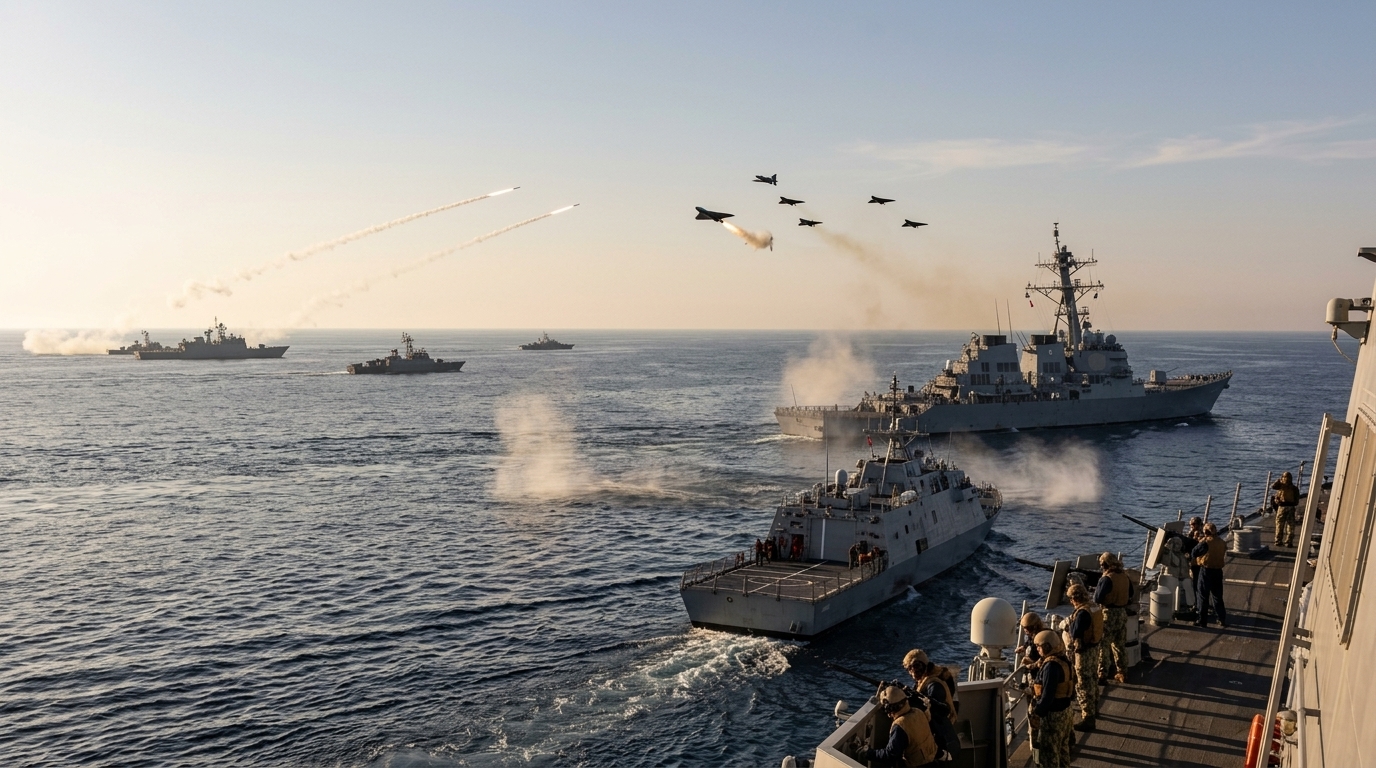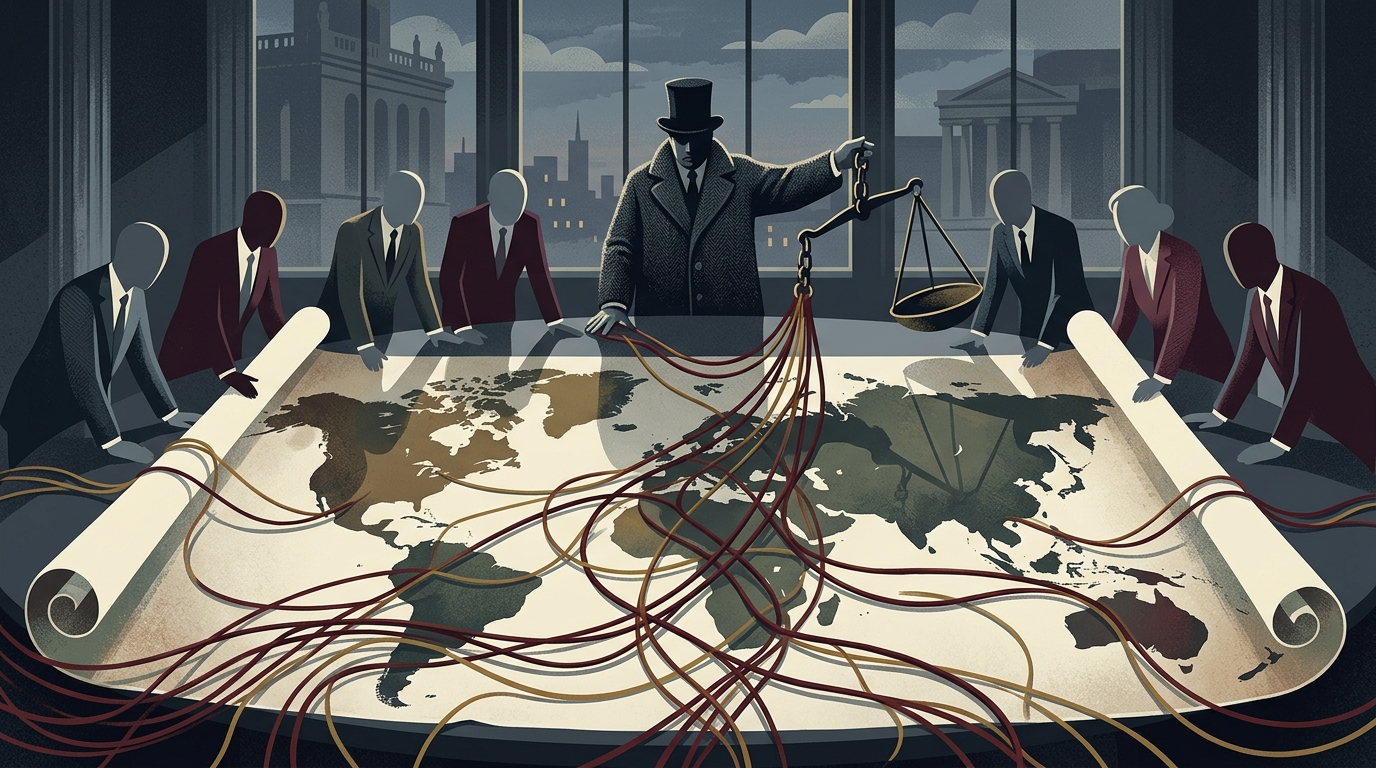
In a move that fundamentally redefines the global geopolitical balance, the United States Department of Defense has submitted a budget request for $54 billion dedicated exclusively to the development and procurement of uncrewed systems (drones). This staggering figure is not merely a spending increase; it is the official recognition that warfare, as we knew it in the 20th century, has come to an end. To put this magnitude into perspective, this investment exceeds the entire military budgets of nations like Ukraine or Spain, effectively making America’s 'shadow fleet' one of the most powerful military forces on the planet in its own right.
The Strategy of 'Affordable Mass' and the Replicator Program
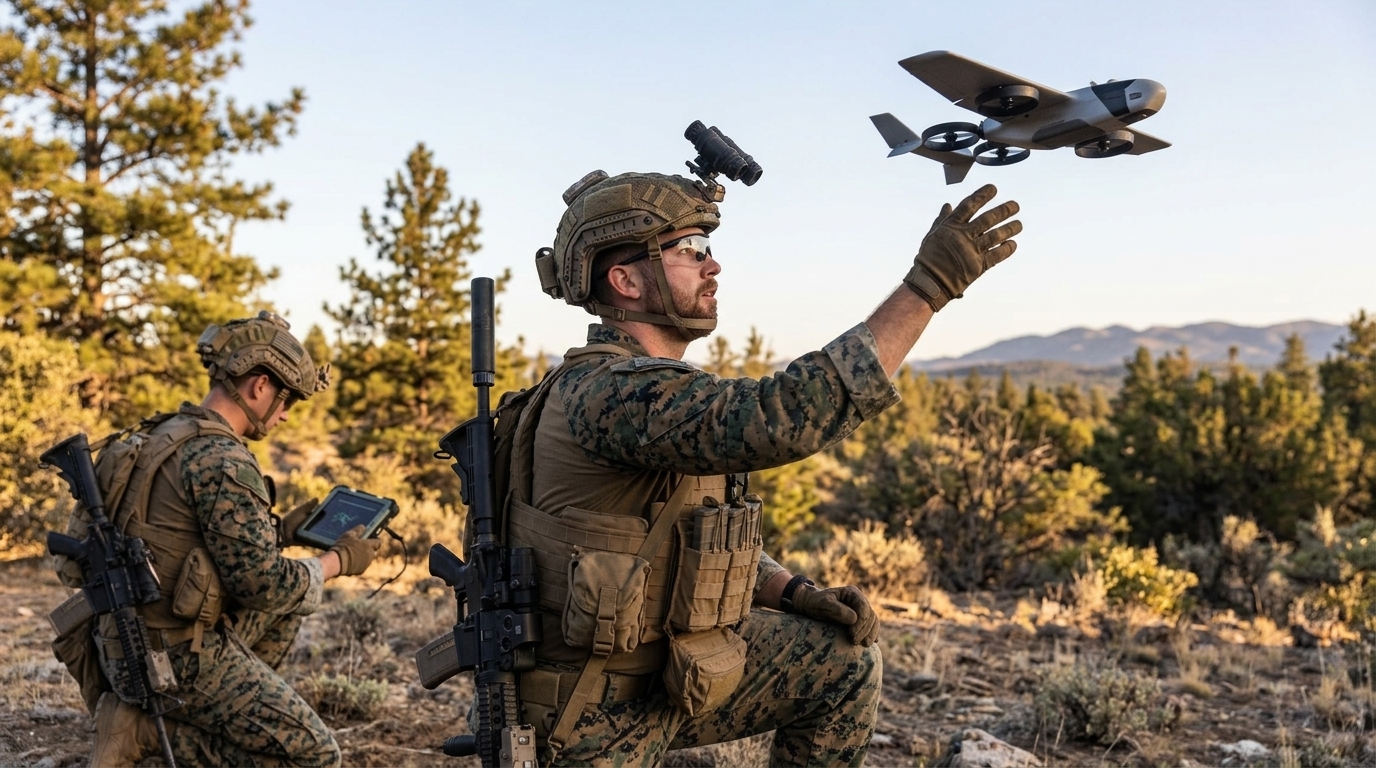
The heart of this colossal expenditure lies within the 'Replicator' initiative. The philosophy behind it is a transition from ultra-expensive, low-volume, high-end systems (such as the F-35 fighter jet) to what analysts call 'affordable mass.' The Pentagon aims to produce thousands of autonomous systems—across air, sea, and land—that can operate in swarms, be attritable in high-intensity combat, and be replaced at a rapid pace.
This pivot is largely driven by lessons learned from the battlefields of Ukraine. There, commercial drones costing a few hundred dollars managed to disable main battle tanks worth millions. Washington has realized that air superiority no longer requires only the technological excellence of the few, but the numerical dominance of many smart machines. The $54 billion will be directed not just toward purchasing drones, but toward building an industrial base capable of producing at a scale reminiscent of World War II mobilization, yet powered by 3D printing and artificial intelligence.
Artificial Intelligence and Autonomy at the Edge
Beyond the hardware, a massive portion of the budget is earmarked for software. Artificial Intelligence (AI) is the 'brain' that will allow these systems to operate without constant human guidance. The Pentagon’s vision includes drones that can identify targets, make tactical decisions in fractions of a second, and cooperate with each other in 'swarms' to overwhelm enemy defenses.
This raises profound ethical and legal questions. The ability of a machine to select and engage targets autonomously represents a red line that many international organizations warn should not be crossed. However, U.S. military leadership argues that the speed of modern warfare makes human intervention at every step impossible. AI is no longer a peripheral tool but the central pillar of deterrent power against adversaries like China, which is investing just as aggressively in similar technologies.
Geopolitical Implications and the Rivalry with China
This move is interpreted as a clear response to China's growing military might in the Pacific. Beijing possesses the advantage of geographic proximity and a massive naval fleet. By investing $54 billion in drones, the U.S. is attempting to offset this balance. Uncrewed underwater vehicles (UUVs) and surface drones could make the Taiwan Strait impassable, creating a 'denial zone' that would be impossible to breach without catastrophic losses.
Furthermore, this spending signals the start of a new arms race. As the U.S. invests at such a scale, other powers—including the European Union—will find themselves under pressure to follow suit or risk becoming technologically irrelevant. The fear is that the 'democratization' of cheap but lethal drones, combined with American over-investment, will lead to a world where conflicts erupt more easily, as the human cost for the aggressor may initially appear lower.
Conclusion: The End of the Traditional Soldier?
Despite the astronomical budget, challenges remain. Integrating these systems into existing command structures is a Herculean task. Moreover, cybersecurity becomes the new frontline: if an adversary can 'hack' a drone swarm, $54 billion worth of hardware could be turned against its owner. What is certain is that April 21, 2026, will go down in history as the moment when silicon and code became as vital as steel and gunpowder. Machine warfare is no longer a science fiction scenario, but a budgetary reality that will define our century.