Europe's geopolitical chessboard is undergoing a seismic shift that many believed was a relic of the past. The discussion regarding a new "nuclear architecture" is no longer a theoretical exercise in think tanks but an urgent reality taking shape in the conference rooms of Brussels and Washington. As of June 2026, the continent's security depends on delicate balances reminiscent of the darkest days of the 20th century, but with the addition of cutting-edge technologies that make the situation even more unpredictable.
The Return of Tactical Nuclear Weapons
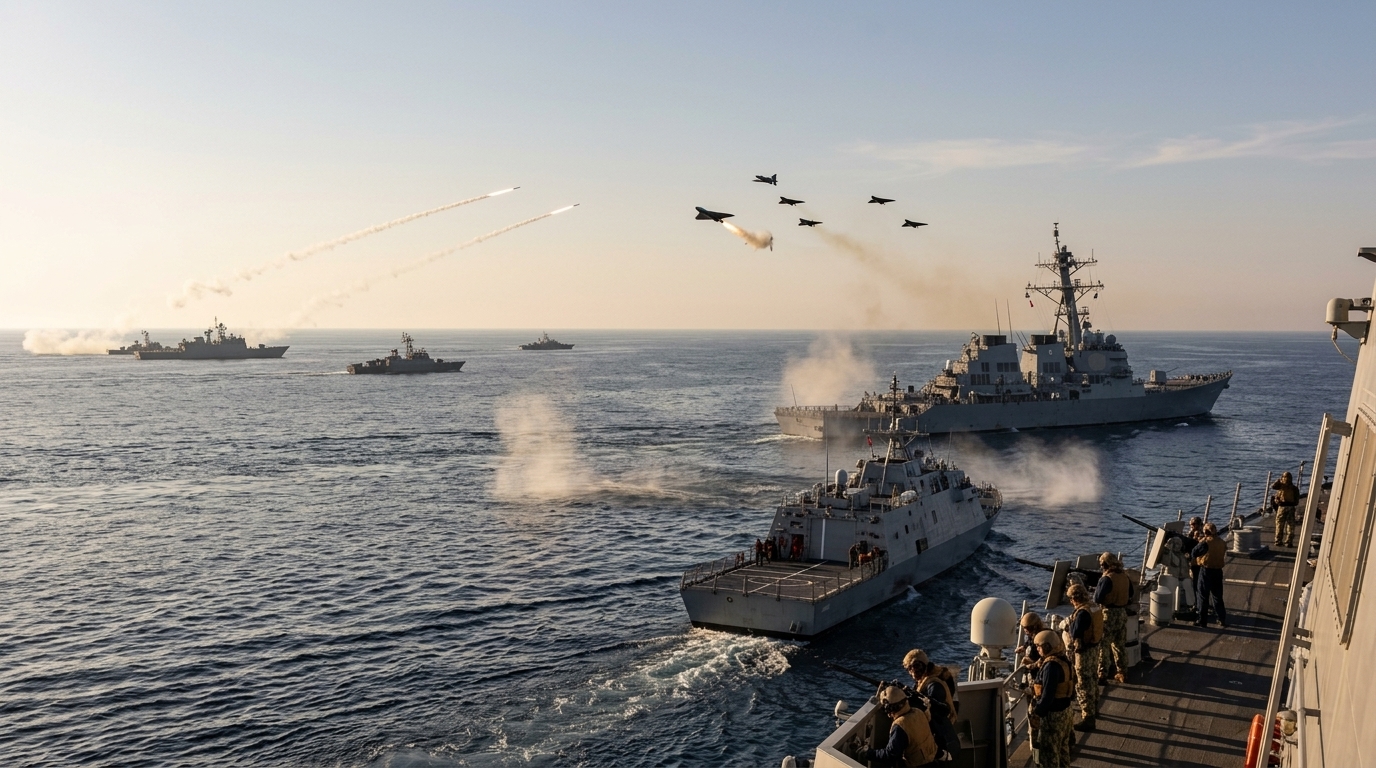
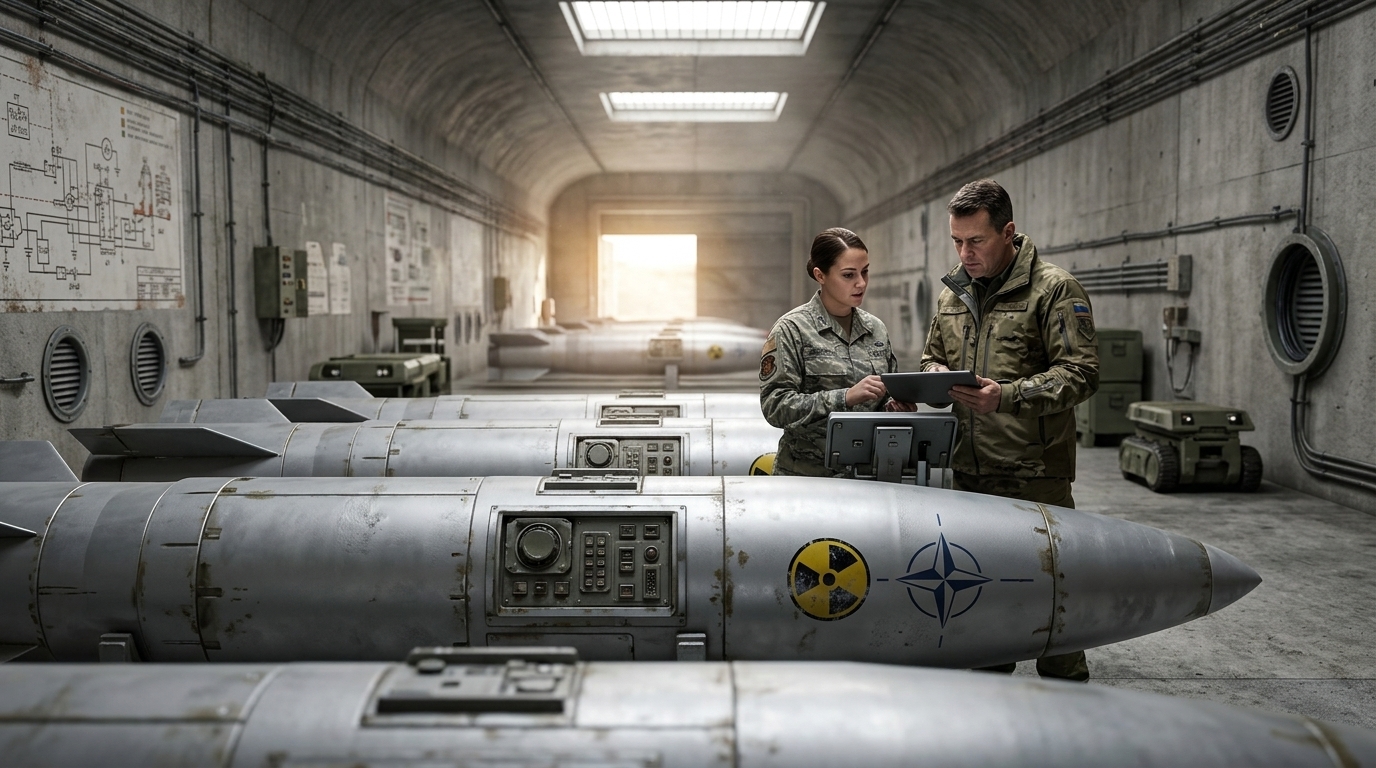
The primary driver behind this overhaul is the collapse of traditional arms control treaties. Following the withdrawal from the INF Treaty and the effective suspension of New START, the framework that once limited the proliferation of nuclear warheads has evaporated. The United States, in close coordination with NATO, is proceeding with the modernization of its arsenal in Europe, replacing older gravity bombs with the new B61-12 guided variants. These weapons are not merely "more powerful"; they are more precise and versatile, shifting the deterrence doctrine from a passive stance to a more active operational readiness.
Of particular significance is the re-stationing of US nuclear capabilities at bases that had remained dormant for decades, such as RAF Lakenheath in the United Kingdom. This move sends a clear signal to Moscow: the US nuclear "umbrella" is not retreating; it is expanding and modernizing. However, this strategy is sparking intense reactions within European nations, where anti-nuclear movements are being revitalized, fearing that Europe is being turned into a potential battlefield for a limited nuclear conflict.
The Polish Ambition and the Eastern Flank Shift
Perhaps the most dramatic development in the current architecture is Poland's desire to participate in the "Nuclear Sharing" program. Warsaw, viewing the transfer of Russian tactical nuclear weapons to Belarus as a direct threat, has been persistently requesting to host US warheads on its soil. Such a move would represent the first eastward expansion of NATO's nuclear presence since the end of the Cold War, effectively breaking the 1997 informal agreement between NATO and Russia.
Analysts point out that Poland's inclusion would radically change the reaction time in the event of a conflict. However, Washington remains cautious. Such a decision could be perceived by the Kremlin as a maximum provocation, leading to an escalation that no one in Europe desires. Nevertheless, the pressure from NATO's eastern flank is now so strong that the Alliance's leadership is forced to consider alternative solutions, such as the rotational deployment of nuclear-capable aircraft to Polish bases without the permanent storage of warheads.
Artificial Intelligence and the Speed of Decision
In this new architecture, the human factor is beginning to recede in the face of algorithmic speed. The integration of Artificial Intelligence into early warning systems and decision-making processes is the most controversial part of the new strategy. With the advent of hypersonic missiles, the time available for a leader to decide on a response has dwindled from 30 minutes to a mere 5 or 10 minutes.
This creates a dangerous automation. NATO is investing billions in AI-powered sensor networks to detect and intercept threats. However, reliance on technology carries the risk of an "accidental" nuclear war due to software errors or cyberattacks. Modern European security no longer rests solely on missiles but on the ability of IT systems to distinguish a real attack from a false alarm in fractions of a second.
Conclusion: A Fragile Peace
The reconfiguration of the nuclear presence in Europe is a necessary, albeit terrifying, response to the changing security environment. The balance of terror is returning, but this time it is multipolar and technologically complex. Europe must decide whether it will remain a passive recipient of American decisions or if it will pursue its own autonomous deterrence strategy—something France has long proposed through the "European dimension" of its own nuclear arsenal.
- Upgrading to B61-12 bombs enhances the precision of deterrence.
- Poland is demanding a central role in the nuclear strategy.
- AI is dangerously accelerating decision-making response times.
- Diplomacy remains sidelined as rearmament takes center stage.