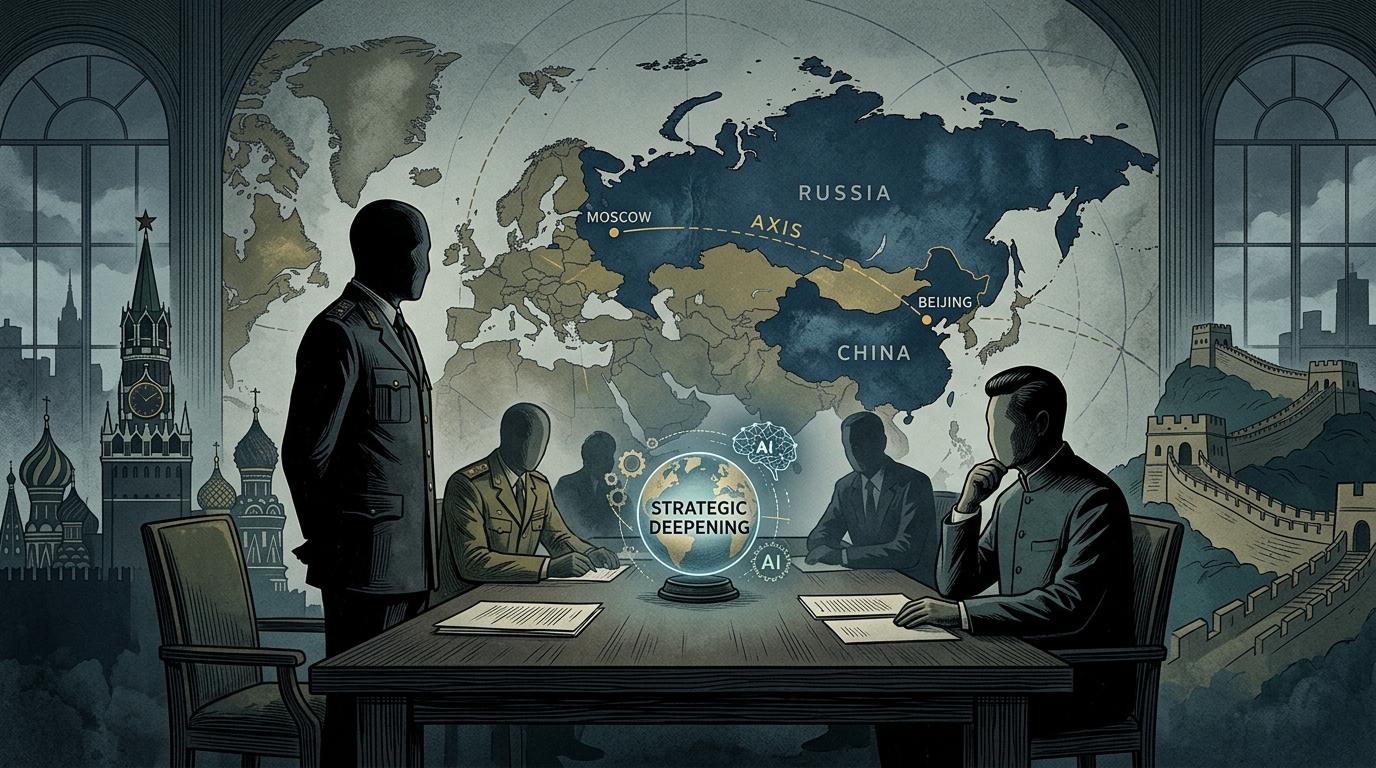
History is often written in symbols that transcend official communiqués. As Vladimir Putin touches down in Beijing in May 2026, the red carpet rolled out in his honor is not merely a standard reception for a head of state; it is a confirmation of a tectonic geopolitical shift. With Moscow’s "great expectations" at the forefront, this meeting with Xi Jinping is not just about the current conflict in Ukraine, but about the future of Eurasia and the definitive challenge to Western hegemony.
Economic Survival via the Yuan
For Russia, China has transformed from a mere trading partner into a vital lifeline for survival. Following its exclusion from the SWIFT system and the freezing of its foreign exchange reserves in the West, Moscow turned eastward with unprecedented speed. The figures are telling: bilateral trade has now surpassed $240 billion, with 90% of transactions conducted in rubles and yuan, completely bypassing the US dollar.
However, Moscow's expectations are not limited to the trade of goods. Putin is seeking deeper financial integration. Russia wants to establish the yuan as the primary reserve currency for emerging economies, hoping that Beijing's backing will provide the stability the ruble lacks due to sanctions. This dependence, while lifesaving for the Kremlin, raises long-term questions about the autonomy of Russian economic policy.
The Energy Chessboard and 'Power of Siberia 2'
At the top of the agenda is the ambitious Power of Siberia 2 pipeline project. With the European market almost permanently closed to Russian natural gas, Gazprom is desperately seeking an outlet to Chinese industry. This pipeline, designed to transport 50 billion cubic meters of gas annually through Mongolia, is the cornerstone of Russia's energy strategy.
Here, however, expectations collide with Beijing's hard-nosed bargaining tactics. China, aware of Moscow's desperation, is pushing for prices that approach Russia's domestic production costs, refusing to commit to long-term contracts without significant discounts. Putin must balance the need for liquidity against the risk of turning Russia into an energy "vassal" of China, selling its resources at cost.
Geopolitical Revisionism and Defense Cooperation
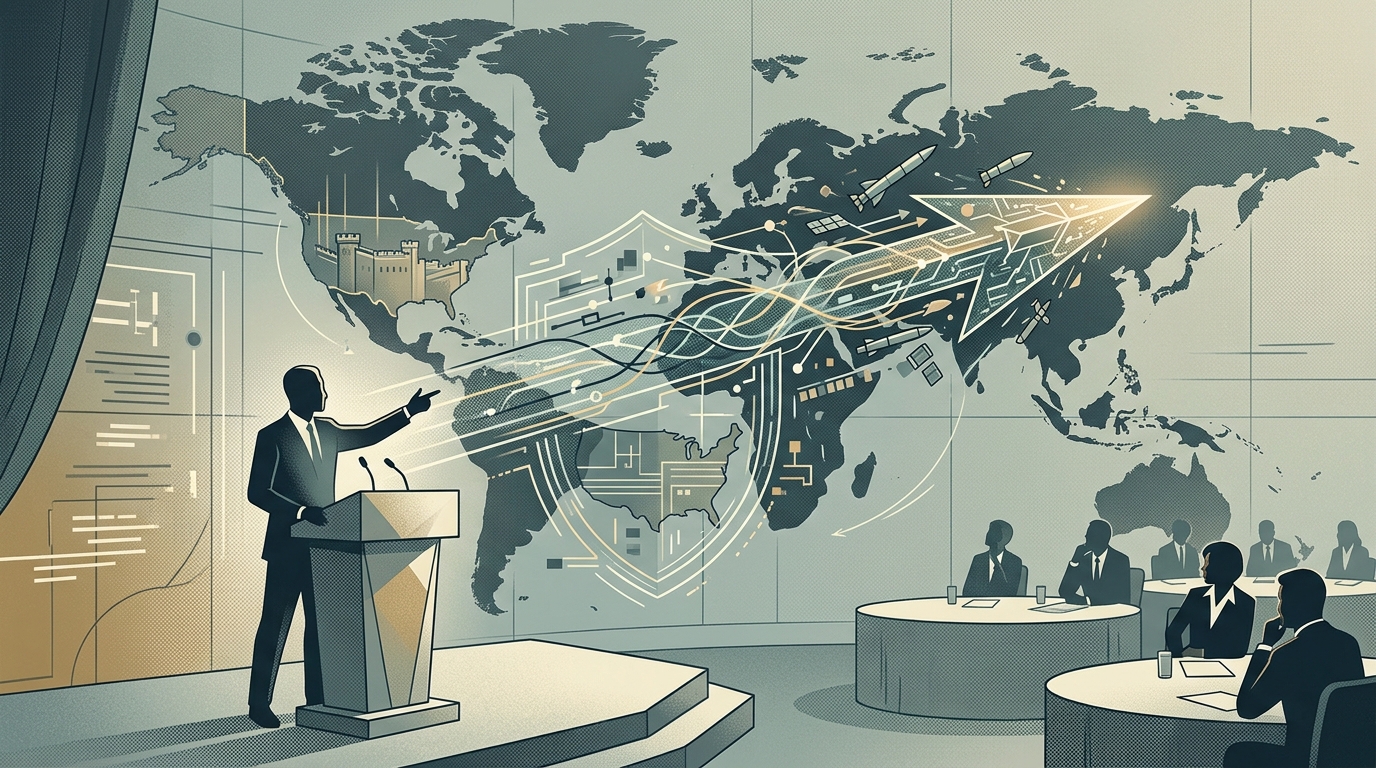
Beyond economics, the visit carries a strong ideological and military character. The two leaders share a common disdain for the "rules-based order," which they view as a Western construct designed to maintain US global dominance. Moscow expects from Beijing not only diplomatic cover in international forums but also technological reinforcement in the defense industry sector.
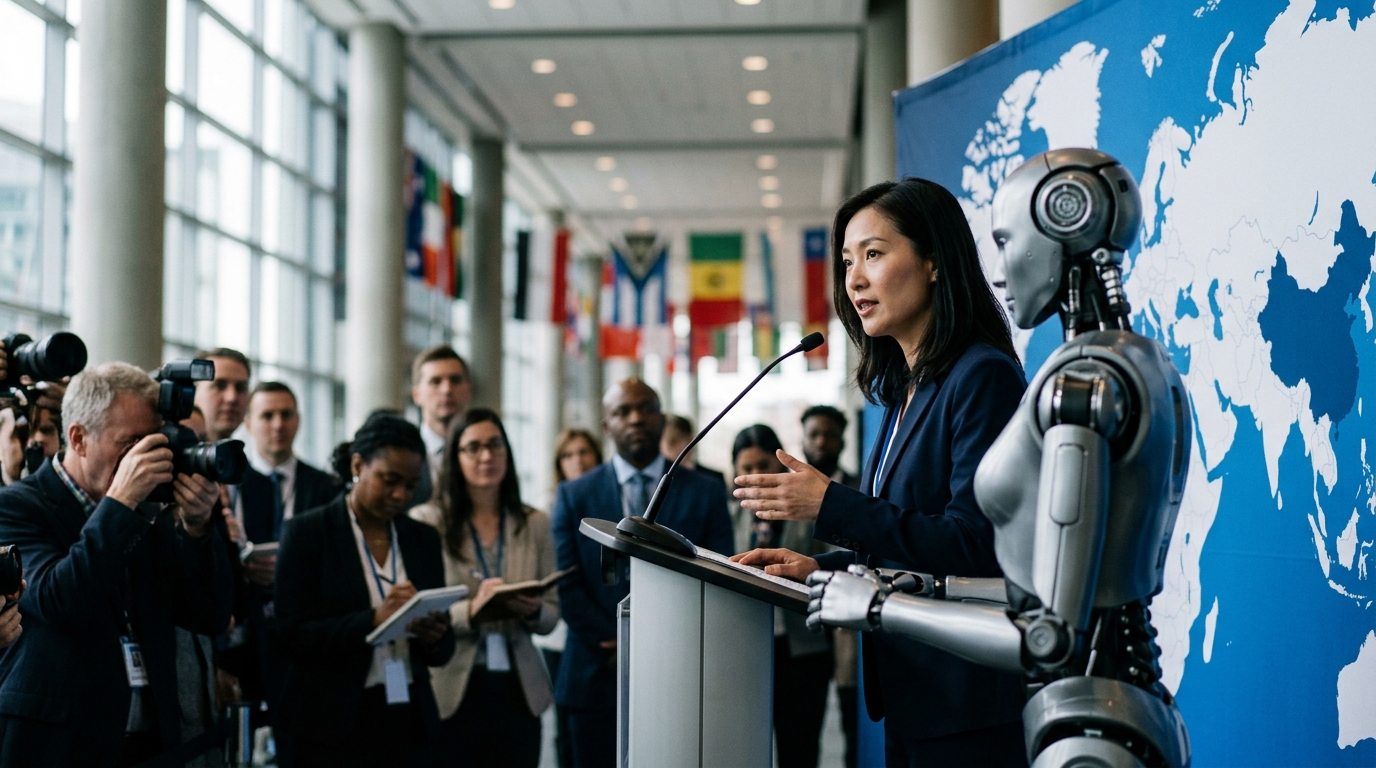
While China avoids direct arms shipments to prevent triggering secondary sanctions from the EU and the US, the provision of dual-use components—such as microchips, machine tools, and drones—is an open secret. Cooperation in Artificial Intelligence and the exchange of satellite data are fields where the two countries are deepening their ties, creating a counterweight to NATO's technological superiority.
The Challenge of the 'Junior Partner'
The looming question over the talks in Beijing is the asymmetry of the relationship. Russia, once the dominant power of the communist bloc, now finds itself in the position of the petitioner. China, with an economy ten times larger, holds the upper hand. Xi Jinping uses Russia as a strategic buffer against America in the Pacific but is careful not to be dragged into a full-scale conflict with the West that would damage his own exports.
Putin's "great expectations" may be met at the level of rhetoric and symbolic agreements, but the reality of the relationship remains transactional. Moscow is betting everything on China, hoping the "Dragon" will protect the "Bear" from the winter of isolation. Whether this relationship evolves into an equal alliance or a state of dependency will determine the global balance of power for decades to come.