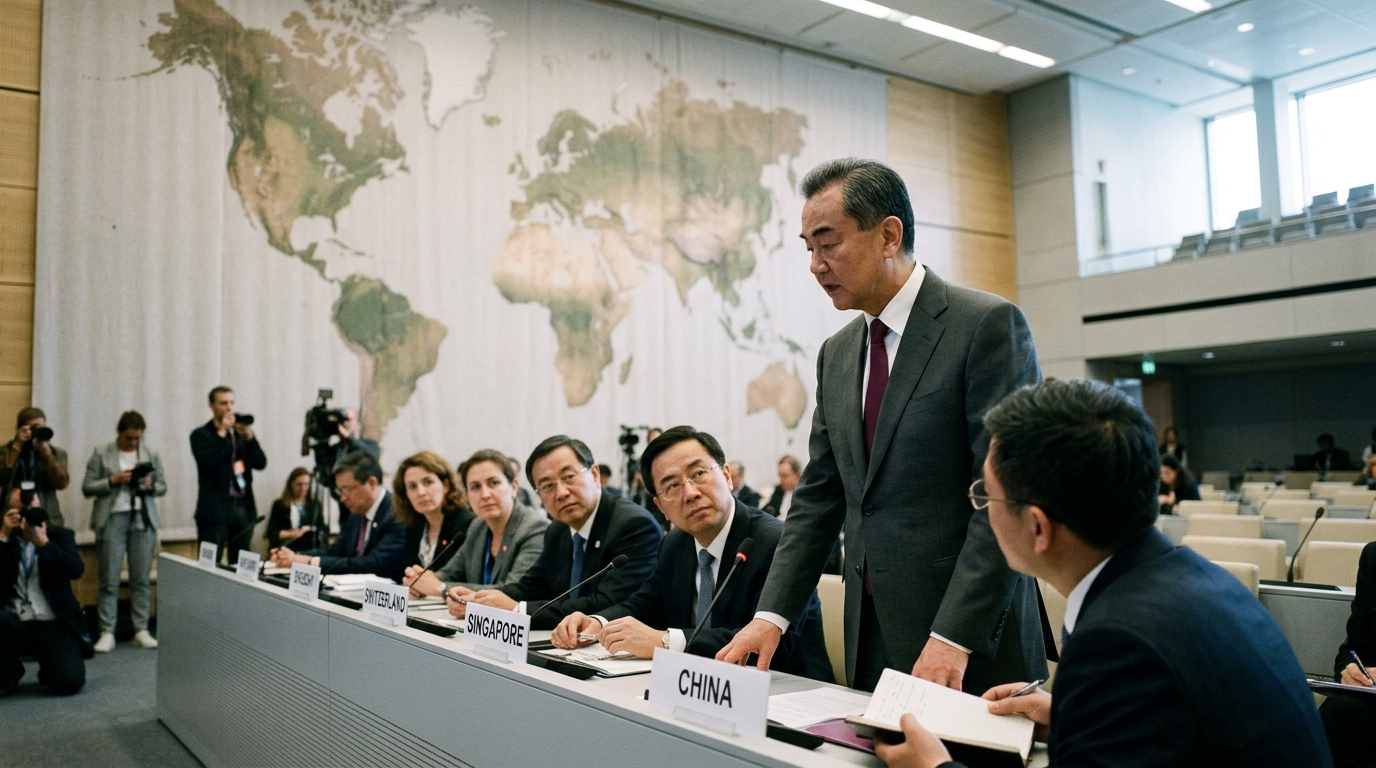
In the high-stakes arena of artificial intelligence, geopolitical fault lines are shifting in ways that redefine the future of innovation. Moonshot AI, the Chinese startup behind the acclaimed Kimi large language model, is reportedly at a strategic crossroads: considering a full reincorporation within mainland China. This move is far more than a corporate restructuring; it represents a calculated retreat from the Western financial orbit, catalyzed by the recent collapse of its attempted takeover of Manus.
Valued in the billions and backed by heavyweights like Alibaba and Tencent, Moonshot AI is a cornerstone of China’s ambition to rival OpenAI’s dominance. However, its bid to expand its footprint through Manus—a rising star in the AI agent space—hit a regulatory wall. This failure served as a wake-up call, forcing leadership to question whether the traditional "red-chip" structure, involving offshore entities in the Cayman Islands, remains viable in an era of intense scrutiny from both Washington and Beijing.
The Manus Setback and the Message from Washington
Moonshot’s interest in Manus AI was a logical step toward the next frontier: AI agents capable of executing complex workflows rather than just generating text. The deal's failure, attributed to a mix of regulatory hurdles and the deepening trust deficit between the U.S. and China, sent a clear signal. Chinese AI firms can no longer operate with one foot in each world. The price of accessing American capital and markets now includes a level of oversight that many find incompatible with their long-term survival and national alignment.
The pivot toward domestic reincorporation suggests that Moonshot is bracing for a protracted "Digital Cold War." By becoming a purely domestic entity, the company aligns itself with Beijing’s national security priorities. This transition secures easier access to state-led investment funds and domestic data silos, while simultaneously insulating the firm from U.S. sanctions that specifically target Chinese entities with significant foreign corporate ties.
The Drive for Digital Sovereignty
Beijing views AI not merely as an economic engine but as a foundation of national power. Moonshot AI, with Kimi’s industry-leading long-context capabilities, is central to this vision. Reincorporating in China paves the way for a potential domestic IPO in Beijing or Shanghai, bypassing the now-treacherous waters of the NASDAQ, where Chinese tech firms face delisting threats and political hostility.
Furthermore, this move mirrors a broader trend among China’s "AI Tigers"—startups like Zhipu AI, MiniMax, and 01.AI. These companies are increasingly forced to choose sides. The dream of a unified global AI market is dissolving, replaced by two distinct ecosystems: a Western one centered in Silicon Valley and a Chinese one operating under the watchful eye of the state. Moonshot’s decision is a pragmatic acceptance of this bifurcated reality.
Challenges and the Road Ahead for Kimi
While domestic alignment offers stability, it is not without significant risks. The primary hurdle remains hardware. U.S. export controls on high-end Nvidia chips force Moonshot to rely on domestic alternatives, such as Huawei’s Ascend processors. While improving, these chips still lag behind the global state-of-the-art in training efficiency. Additionally, confining itself to the Chinese market means navigating strict content regulations, which could theoretically hamper the creative and analytical range of its models.
Ultimately, Moonshot AI’s potential reincorporation marks a watershed moment. It is a formal recognition that the era of globalized tech is yielding to a new paradigm of digital sovereignty. For Kimi’s users, this may result in a more localized, specialized tool. For the global community, it is a stark reminder that the 21st century’s "Iron Curtain" will be built of code and silicon.