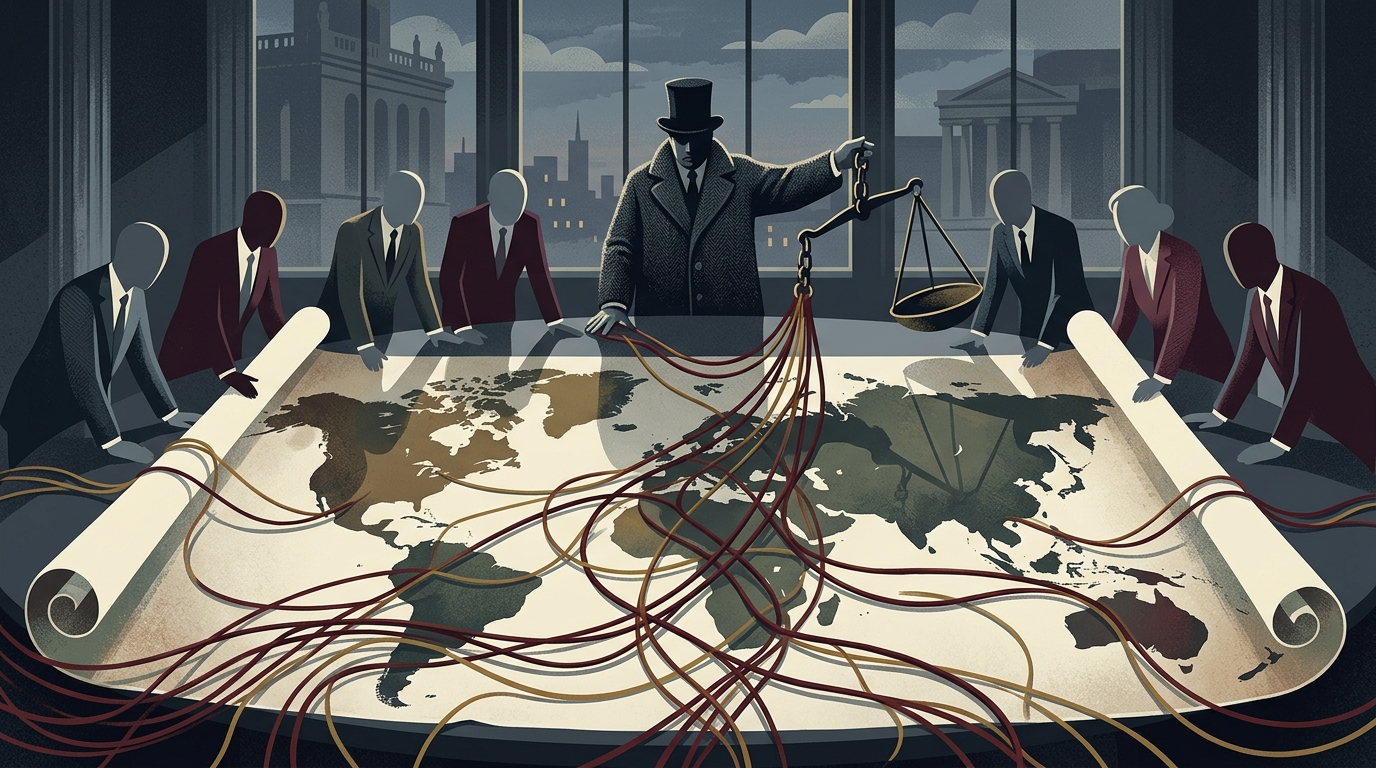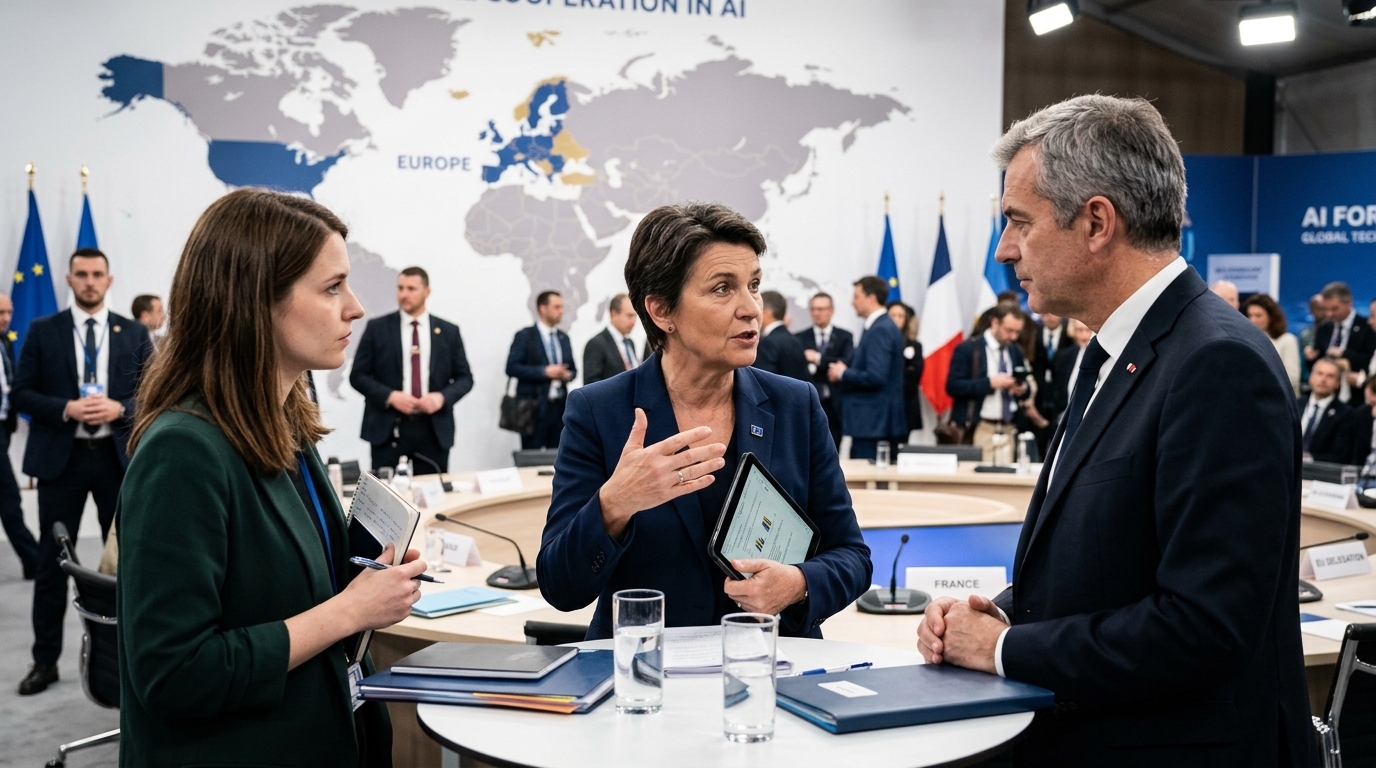
In the heart of Paris, a team of scientists and entrepreneurs is attempting what many considered impossible just a few years ago: challenging Silicon Valley's absolute dominance in Artificial Intelligence. Mistral AI, Europe’s answer to OpenAI and Google, is no longer satisfied with merely creating powerful language models. According to recent reports, the company is adopting a strategy of "full value-chain presence," a move that signals a deeper geopolitical and economic ambition.
Vertical Integration: Beyond Algorithms
The concept of the "value chain" in AI encompasses everything from hardware and cloud infrastructure to foundation models and the end-user applications. Until today, Mistral was primarily known for the efficiency of its models, which often outperformed much larger systems from Meta or Google while consuming fewer resources.
However, the company’s leadership, led by CEO Arthur Mensch, realizes that simply selling API access is not enough. To survive against giants like Microsoft and Google, a player must control the environment in which these models operate. The shift toward providing integrated software solutions, creating platforms like "La Plateforme," and the strategic release of open-weights models are pieces of a puzzle aimed at ending dependence on US-controlled infrastructure.
The Geopolitics of Technological Autonomy
For the European Union, Mistral AI is not just a successful startup; it is a pillar of "strategic autonomy." In an era where data is the new oil, relying on US corporations to process that data carries inherent risks for privacy, security, and economic independence. The French government, with Emmanuel Macron acting as a herald of the technological revolution, has staunchly supported Mistral, viewing it as the vehicle that will allow Europe to set its own rules.
"We cannot be mere consumers of technology designed elsewhere. We must be the architects of our own digital future," say sources close to the French presidency.
Mistral AI is playing a clever double game. On one hand, it partners with Microsoft for distribution via Azure, securing necessary compute power. On the other, it maintains its independence, promoting a European approach that emphasizes transparency and compliance with the AI Act without sacrificing innovation.
Open-Weights as a Trojan Horse
One of the most compelling aspects of Mistral’s strategy is its commitment to open-weights models. By allowing developers and enterprises to download and run models locally, Mistral is building a massive ecosystem of loyal users. This serves as a bulwark against the closed-door approach of OpenAI. When a business can fully control an AI model on its own servers, security becomes the primary selling point.
- Data Sovereignty: European companies avoid transferring sensitive information to servers outside the EU.
- Cost Efficiency: Mistral's models are designed to be lightweight, significantly reducing operational costs.
- Customizability: Fine-tuning capabilities allow different sectors to tailor the AI to their specific needs.
Challenges and the Road Ahead
Despite its impressive trajectory, Mistral AI faces titanic challenges. Fundraising remains a constant hurdle, as US Big Tech firms possess multibillion-dollar war chests. Furthermore, competition from Meta with Llama 3 is fierce, as Mark Zuckerberg adopts a similar open-source strategy to dominate the market.
The ultimate test for Mistral is whether it can translate its technical excellence into a sustainable business model that truly spans the entire value chain. If successful, it will prove that Europe is not just the regulator of the digital world but also one of its primary producers. The battle for AI supremacy is no longer just technical; it is a struggle over who will define the values and infrastructure of the 21st century.