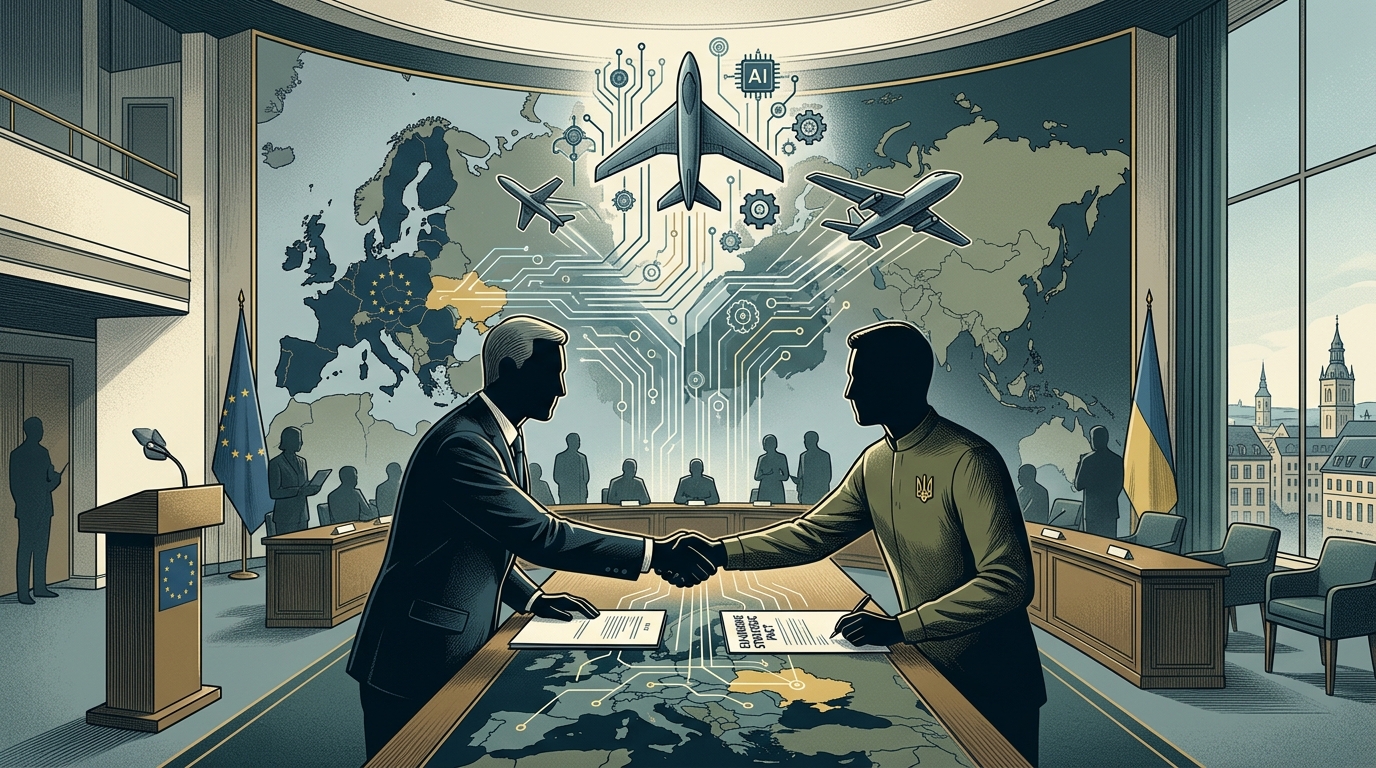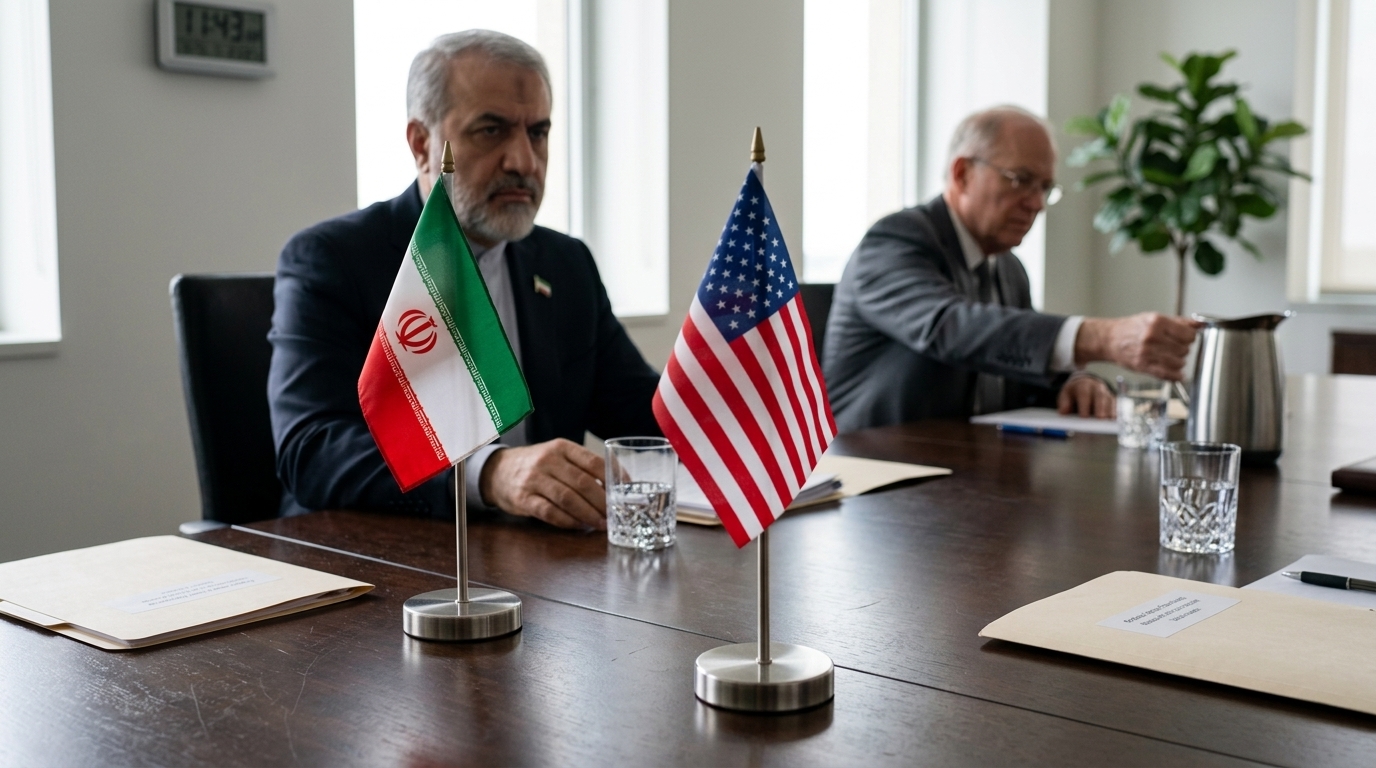
The news hit Silicon Valley and Beijing like a seismic shock: Meta, the titan behind Facebook and Instagram, has moved to permanently sever AI Manus’s access to its internal systems. This move is far more than a technical adjustment; it is the final nail in the coffin for one of the most ambitious and controversial AI partnerships, valued at a staggering $2 billion. The decision, reportedly dictated by the Chinese government’s increasingly hostile demands for control over data and algorithms, marks the end of a brief period of 'tech detente' between the two superpowers.
The Geopolitical Chessboard and the Beijing Breakup
The partnership with AI Manus was initially viewed as Meta’s 'Trojan Horse' for re-entering the vast Chinese market, from which it has been excluded for over a decade. However, Mark Zuckerberg’s hopes for a collaborative bridge hit the hard wall of the Chinese Communist Party (CCP). According to reports from Tom's Hardware, Beijing demanded full transparency into Meta’s proprietary code and, crucially, the ability to intervene in AI responses concerning 'national security' and 'social harmony.'
Meta, already facing immense pressure from Washington to safeguard American intellectual property and national security, found itself in an impossible dilemma. Its choice to 'sunset' the Manus platform and withdraw its investments indicates that the cost of compliance with Beijing’s demands far outweighed the potential profits. This move is interpreted as a clear statement that Artificial Intelligence cannot operate as a neutral technology in a polarized world.
The Fall of AI Manus and Internal Turmoil
AI Manus, which had been marketed as a revolutionary 'AI agent' capable of bridging disparate software ecosystems, is now left in a vacuum. By being cut off from Meta’s APIs and data streams, its functionality is expected to degrade dramatically. Reports suggest that Meta has already begun the process of 'decommissioning' shared infrastructures, an operation that costs millions and requires surgical precision to ensure no sensitive user data leaks to Chinese authorities.
Inside Meta, the decision has sparked mixed reactions. On one hand, security engineers are breathing a sigh of relief, as the connection to Chinese entities was a constant source of anxiety regarding potential cyberattacks or espionage. On the other hand, the business development department sees a $2 billion investment evaporate, leaving a massive hole in the company’s strategic planning for Asia. The failure of this deal is expected to serve as a cautionary tale for other tech giants flirting with the Chinese AI market.
The Digital Iron Curtain
The collapse of the Meta-Manus deal is not an isolated incident but the latest symptom of what analysts call the 'Digital Iron Curtain.' As Artificial Intelligence becomes the central infrastructure of the modern economy, nation-states are seeking total sovereignty over it. China, through its own regulatory framework, requires algorithms to reflect 'socialist values,' which directly conflicts with Western models that, at least theoretically, promote freedom of information.
The implications for global innovation are troubling. Instead of a global community of AI researchers, we are heading toward two separate, incompatible camps. By withdrawing from Manus, Meta is choosing the Western camp, sacrificing access to Chinese data and talent to maintain the integrity of its systems and its alliance with US and EU regulators. The question that remains is who will be forced to choose sides next.
Conclusions and the Road Ahead
The 'sunsetting' of the Manus platform marks the coming of age of tech geopolitics. The days when companies could ignore borders and political ideologies in the name of growth are gone. For Meta, this $2 billion loss is the price of maintaining control over its AI future. For the rest of the world, it is a warning that technology is no longer a global common good but a tool of power that requires allegiance to specific political systems.
- Meta severs ties due to Beijing's demands for algorithmic control.
- The $2 billion investment is now considered a write-off.
- The move accelerates the tech decoupling between the US and China.
- Data security concerns outweighed the benefits of Chinese market access.