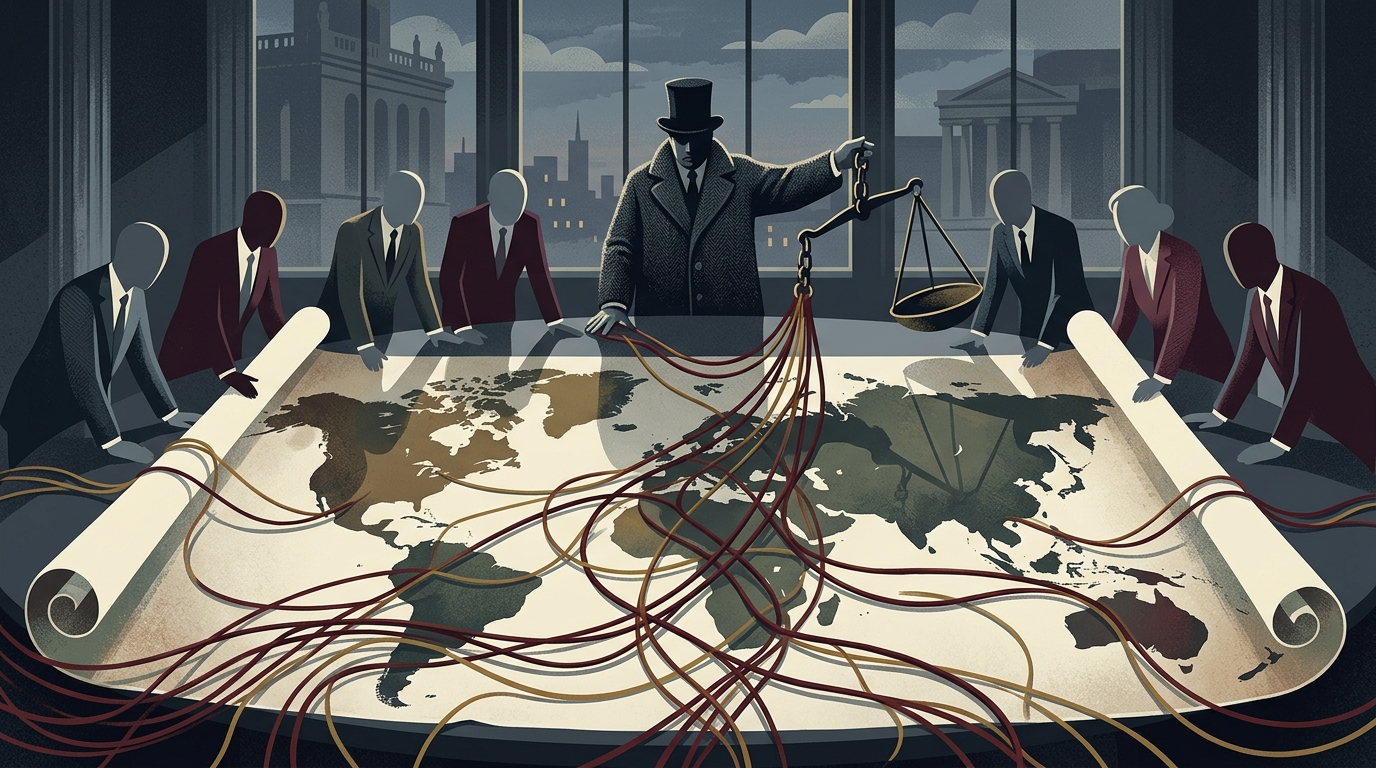
In the heart of the digital age, the battle for Artificial Intelligence (AI) dominance is no longer fought solely in coding labs or on stock market tickers, but on the ground of local communities. Recent claims by prominent investor Kevin O'Leary, coupled with official stances from the Trump administration, have brought to light a disturbing new dimension: the possibility of foreign interference aimed at obstructing the construction of datacenters across the United States.
Infrastructure as a National Interest
Datacenters are the "cathedrals" of computing power. Without them, large language models and AI applications remain theoretical exercises. As the demand for energy and processing power skyrockets, the need for massive facilities becomes imperative. However, in many U.S. states, local communities are pushing back hard, citing water consumption, noise pollution, and the immense strain on the electrical grid.
Kevin O'Leary claims this "backlash" is not always organic. According to him, "hundreds of millions of dollars" are being funneled by Chinese interests into disinformation campaigns designed to convince American citizens to fight the very infrastructure essential for their national security. "It's an economic proxy war," he stated, emphasizing that delaying a project by two or three years could cost the U.S. its leadership on the global stage.
The Trump Administration and the Geopolitical Lens
The Trump administration has adopted aggressive rhetoric regarding the protection of technological infrastructure. Officials argue that China, seeing the U.S. lead in AI development, is employing "cognitive warfare" tactics to slow down its rival. This strategy involves amplifying environmental concerns and triggering bureaucratic hurdles through legal challenges.
"This isn't just about local zoning issues. It's about a coordinated effort to keep the U.S. tied up in red tape while China builds infrastructure at the speed of light," White House sources suggest.
Washington's response appears to be a drastic simplification of permitting processes. The administration is pushing for legislation that would designate AI datacenters as "projects of national significance," allowing for the bypass of certain local restrictions. This, of course, opens another Pandora's box: the conflict between federal authority and local self-governance.
Legitimate Concerns or Foreign Interference?
But is all opposition merely a product of propaganda? Critics of O'Leary's claims point out that citizens' concerns are well-founded. A typical datacenter can consume millions of gallons of water daily for server cooling, often in regions already plagued by drought. Furthermore, the rise in electricity prices for residential consumers due to increased demand from tech giants is a tangible problem.
- Energy Competition: The need for 24/7 operation requires stable power sources, often leading to the extended life of coal plants.
- Economic Impact: Despite billions in investment, datacenters create relatively few permanent jobs once construction is complete.
- National Security: Concentrating data in specific locations makes them prime targets for cyberattacks or physical sabotage.
The truth likely lies somewhere in the middle. While it is documented that foreign powers use social media to exacerbate internal divisions in the West, dismissing every local protest as "Chinese propaganda" risks alienating citizens and undermining democratic processes.
The Future of AI and Social Consensus
The challenge for the U.S. and its allies in the coming years will be finding a middle ground. Building the necessary infrastructure for AI is inevitable if they wish to remain competitive against authoritarian regimes. However, this growth cannot occur without the consent of local communities. Transparency in investments, the use of waterless cooling technologies, and the direct linking of datacenters to new renewable energy sources are the keys to reducing resistance.
As the analysis concludes, the battle for datacenters is a mirror of a broader geopolitical conflict. In a world where data is the new oil and computing power is the new nuclear energy, the fields of Virginia or Arizona are becoming the front lines of a global struggle.