The Middle East is once again teetering on the edge of an abyss, where diplomatic efforts and war cries are woven into a dangerous dance. The recent statement by Iranian MP Mahmoud Nabavian, who participated in the critical talks between Washington and Tehran in Islamabad, has stirred the already murky waters of regional geopolitics. His warning of a potential "resumption of military operations" against the Islamic Republic is not merely a rhetorical outburst but an indication of the deep-seated distrust prevailing between these two perennial adversaries.
The Islamabad Backdrop and Eleventh-Hour Diplomacy
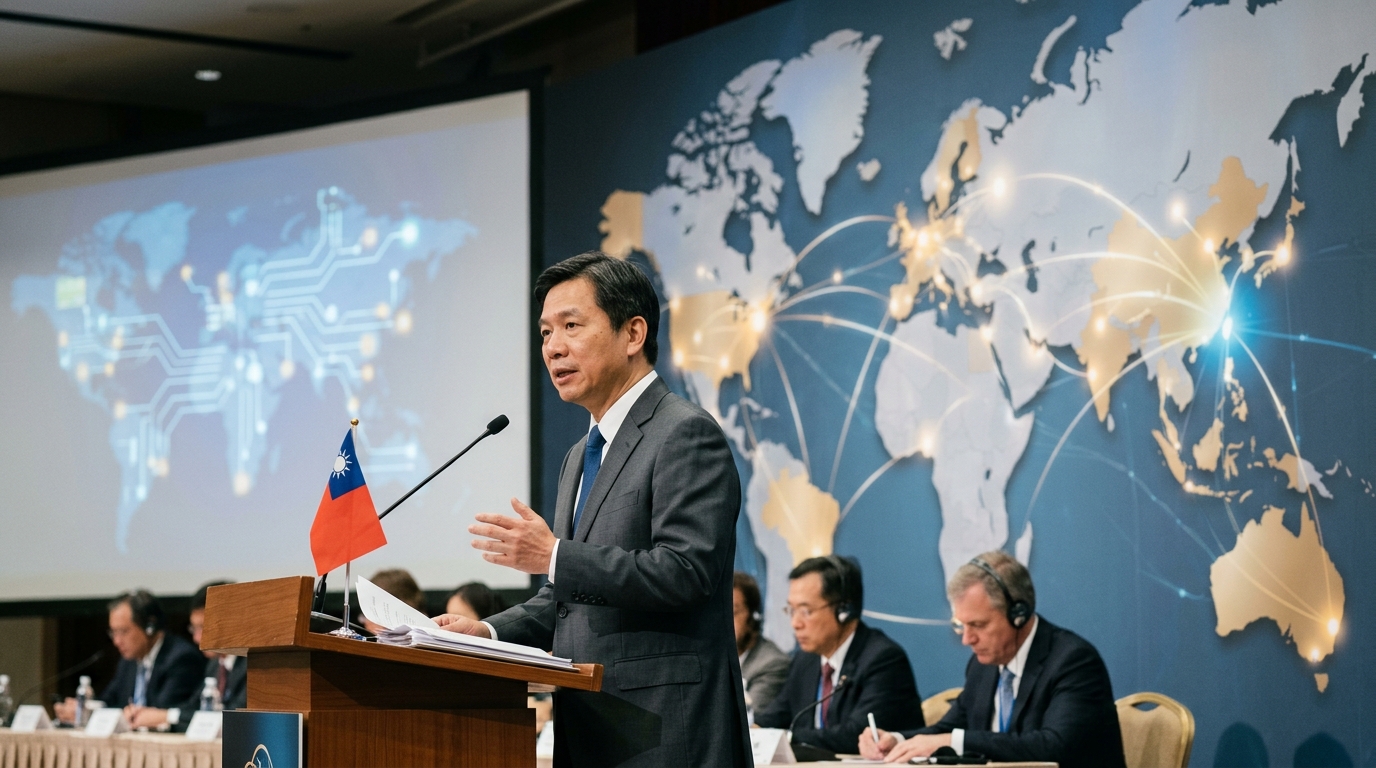
The talks in Islamabad, Pakistan, were no accidental encounter. Pakistan, traditionally maintaining a delicate balance between the West and its neighbors, served as the conduit through which the Biden administration and Tehran's leadership attempted to find a common language. However, according to Nabavian, the outcome seems far from a peaceful settlement. The Iranian MP, known for his hardline stances, emphasized that the threats emanating from the US and its allies have not waned, despite the communication channels remaining open.
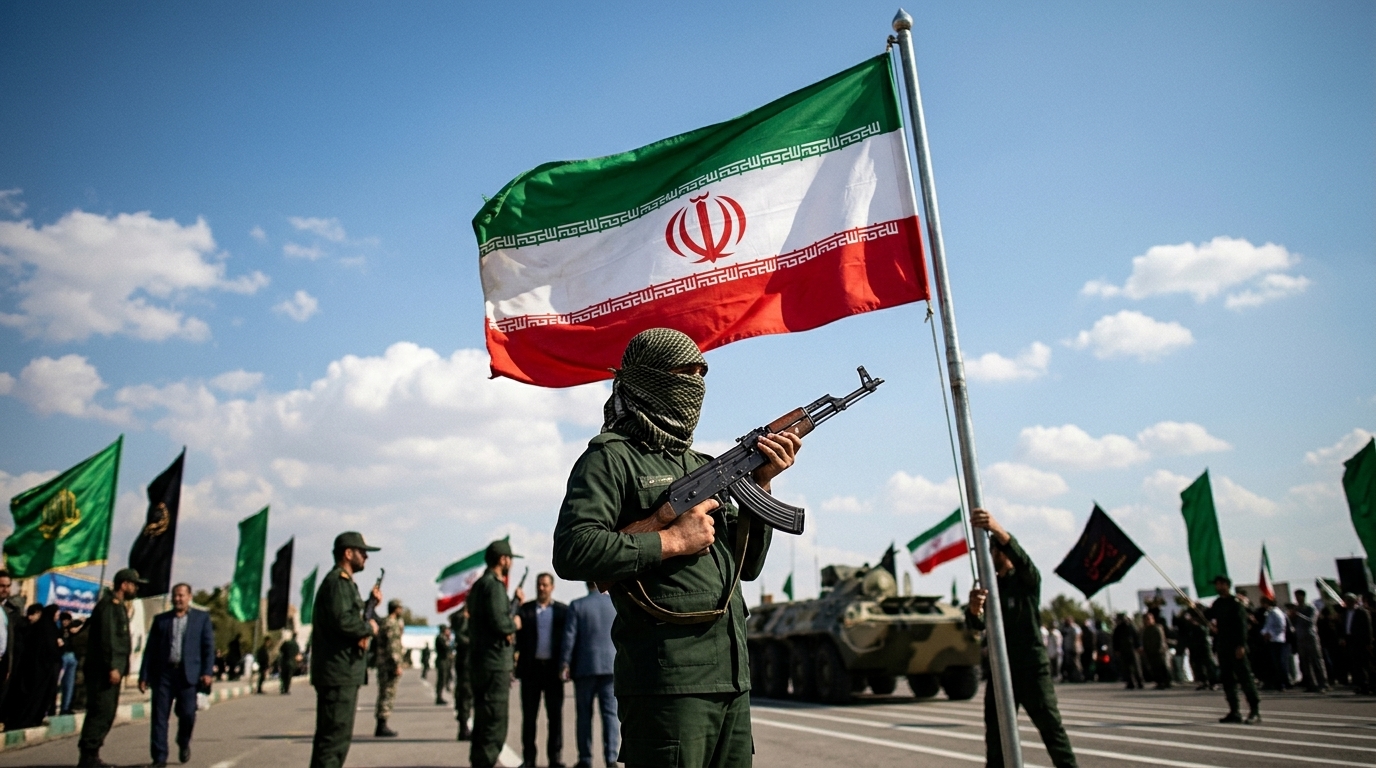
Nabavian's participation in the mission lends significant weight to his words. Representing a faction of the Iranian political establishment that views any rapprochement with the West with suspicion, his warning serves a dual purpose: as a message to the international community that Iran is prepared for anything, and as an internal signal to Masoud Pezeshkian's government not to yield to pressure. The reference to "military operations" implies that information received by the Iranian side during the deliberations points toward preparation for escalation, possibly in response to the moves of Iran's proxies in the region, such as Hezbollah and the Houthis.
The Internal Conflict in Tehran: Reformists vs. Hardliners
Nabavian's statement also highlights the deep rift within Iran. Following the election of Masoud Pezeshkian, there was a guarded hope for a new "charm diplomacy" that could lead to a relaxation of sanctions. However, hardliners like Nabavian are using the threat of military action to undermine any normalization efforts.
"History has taught us that retreating before the enemy only brings war closer to our door,"seems to be the doctrine they embrace.
This internal dynamic is crucial for understanding regional security. If Tehran feels that diplomacy has failed, its response could be to further accelerate its nuclear program or intensify its military activities via the "Axis of Resistance." The warning of a new operation against Iran could act as a self-fulfilling prophecy: Tehran's preemptive mobilization might be interpreted by Washington or Tel Aviv as preparation for an attack, triggering a cycle of violence that would be impossible to control.
Geopolitical Implications and the Role of Technology in Modern Warfare
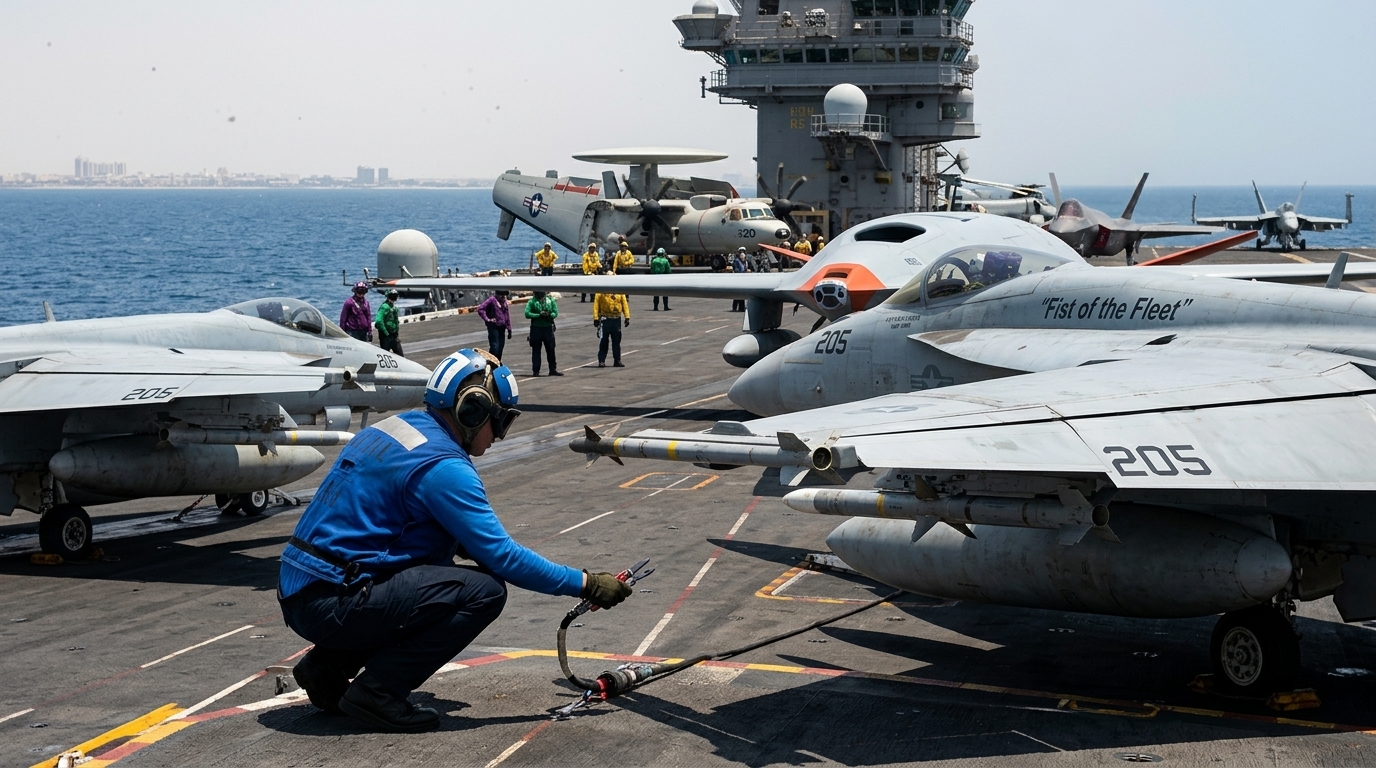
In the current geopolitical landscape, a "military operation" is no longer limited to conventional means. The use of Artificial Intelligence in strike planning, drone swarms, and cyberattacks on infrastructure constitute the new doctrine of war. Iran has invested heavily in drone technology, as seen on the Ukrainian front, and any conflict would certainly involve this element. Nabavian's warning might also refer to these types of asymmetric threats that Tehran believes it faces or is preparing to counter.
Furthermore, the timing of the warning is extremely sensitive. With the US elections on the horizon, the Biden administration wants to avoid a new major war in the Middle East, yet it simultaneously faces pressure to appear "tough" on Iran. On the other hand, Israel sees the window of opportunity to neutralize Iranian nuclear facilities narrowing. In this explosive mix, statements by Iranian officials like Nabavian act as warning shots, reminding everyone that the cost of a conflict would be global, affecting everything from oil prices to global shipping security.
Conclusion: Diplomacy on a Tightrope
In conclusion, Mahmoud Nabavian's warning underscores the failure—so far—of traditional diplomacy to offer a sustainable solution to the Iranian issue. Whether it is a scare tactic or a genuine concern based on intelligence, what is certain is that the region is entering a phase of extreme uncertainty. The international community must seek new paths for de-escalation before the warnings of "military operations" become a painful reality that will change the map of the Middle East forever.