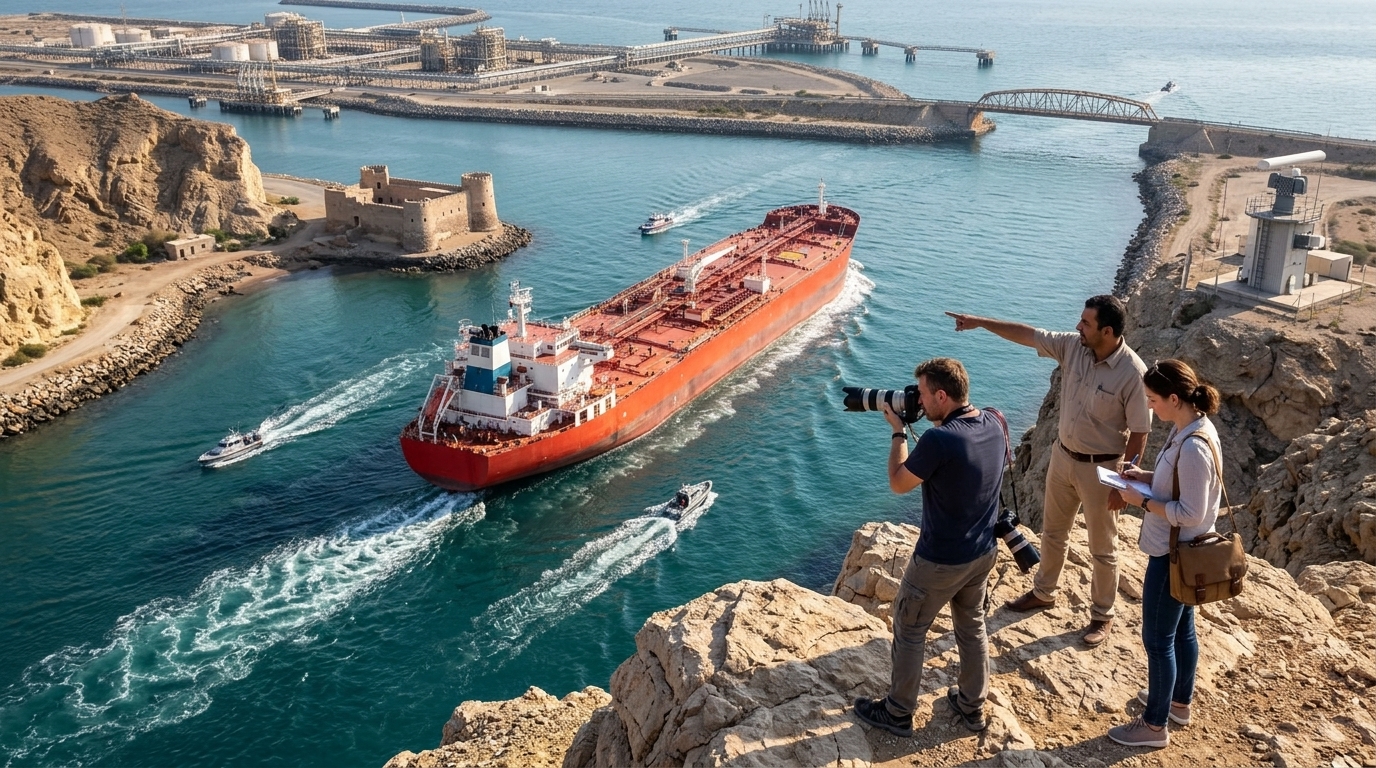
In the volatile waters of the Persian Gulf, a high-stakes geopolitical chess match is unfolding against the backdrop of Iran’s sprawling oil infrastructure. As of May 2026, Tehran finds itself ensnared in an unprecedented U.S. naval blockade, forcing the Iranian leadership to make decisions that will reverberate through its economy for a generation. Reports confirming that the National Iranian Oil Company (NIOC) has initiated proactive production cuts are no longer mere speculation; they represent a desperate survival strategy to avoid 'tank top'—the point where storage capacity is completely exhausted.
The Strategy of Preemptive Shut-ins
For a nation whose economic survival is tethered to hydrocarbon exports, shutting down oil wells is the ultimate last resort. However, recent data suggests that Iran is choosing to throttle production now rather than face the technical and logistical catastrophe of having nowhere to store its crude. When storage tanks reach their limits, the resulting backpressure can cause permanent damage to pipelines and wellheads. Tehran’s current strategy focuses on slowing the flow from mature fields, where restarting operations is technically simpler, while attempting to maintain pressure in the strategic South Pars fields.
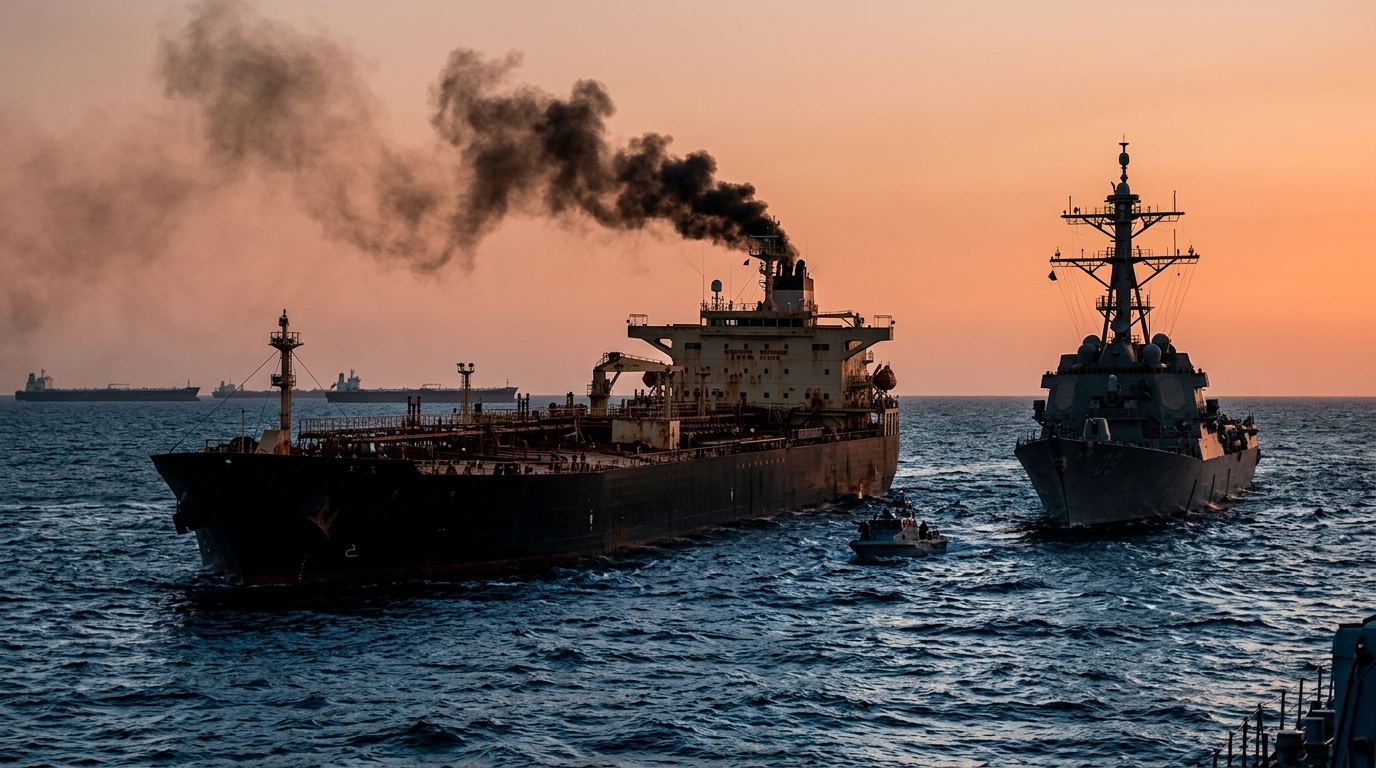
The U.S. naval blockade near the Strait of Hormuz has severely disrupted the 'shadow fleet' of aging tankers that Iran has long used to bypass sanctions and deliver oil to China. Without the ability to regularly load Very Large Crude Carriers (VLCCs), oil is backing up into onshore facilities at Kharg Island and into floating storage vessels that are reportedly at 90% capacity. This creates a suffocating bottleneck for an economy already reeling from hyperinflation and social unrest.
The Blockade and the Global Chessboard
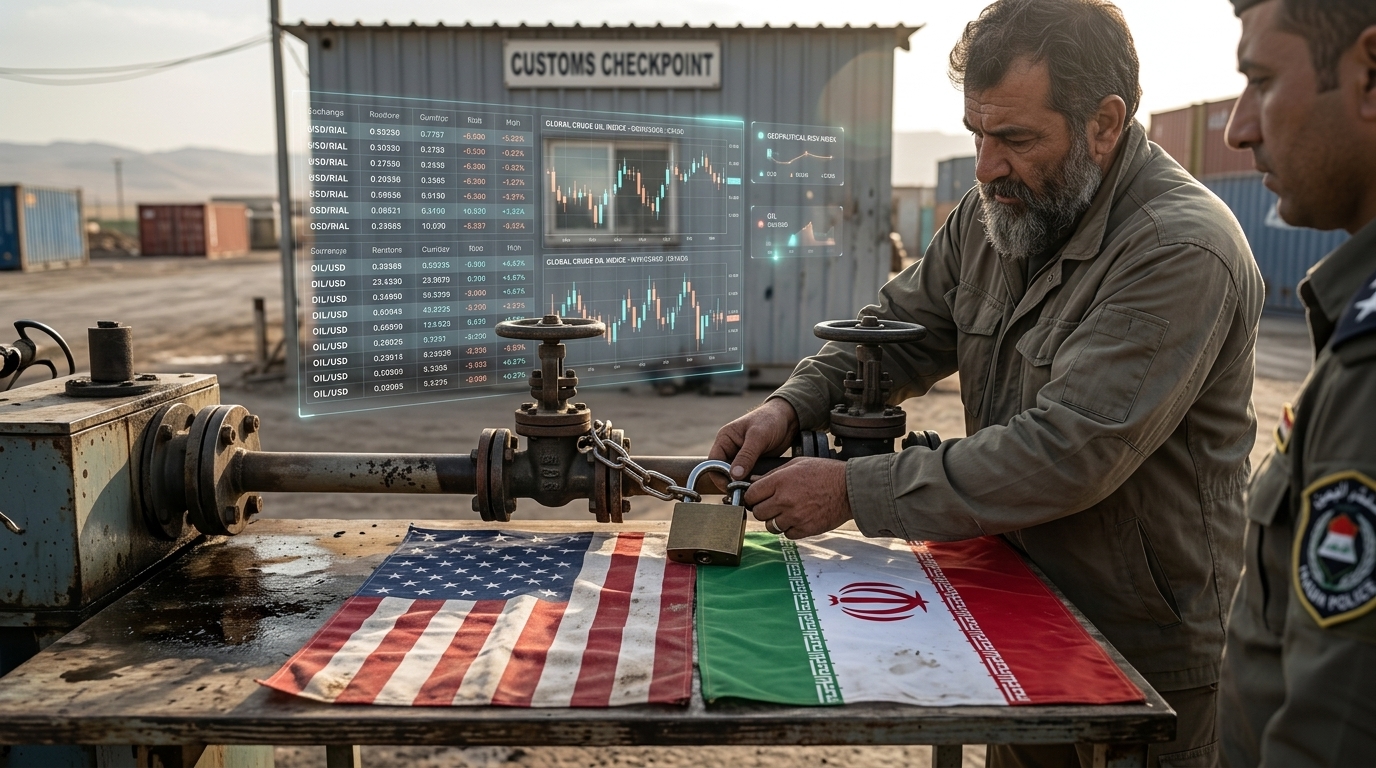
The escalation in the Gulf is far more than a bilateral dispute between Washington and Tehran. China, the primary destination for Iranian 'discounted' crude through its independent 'teapot' refineries, is watching the situation with growing alarm. The blockade has driven insurance and freight costs to levels that make even heavily discounted Iranian oil economically unviable. The United States, meanwhile, is betting on a policy of 'maximum pressure 2.0,' hoping that the economic strangulation will force the regime back to the negotiating table regarding its nuclear program.
- Estimated production cuts have reached 600,000 barrels per day over the last two months.
- Floating storage off the Iranian coast is estimated to hold over 50 million barrels of unsold crude.
- Russia, despite its strategic partnership with Iran, offers little relief as it manages its own energy export challenges.
"This is no longer a battle over prices or market share; it is a battle of physical space and logistical endurance," notes a senior energy analyst based in Dubai.
Technical Risks and the Long-term Fallout
The greatest risk for Iran lies in the geological reality of its oil fields. Many of these reservoirs are mature and require constant gas or water injection to maintain the pressure necessary for extraction. Prolonged 'shut-ins' can lead to reservoir damage, such as water encroachment or pressure loss, making future recovery significantly more expensive or technically impossible. Consequently, the current blockade could permanently impair Iran’s long-term production capacity, even if sanctions are eventually lifted.
Furthermore, the lack of access to Western technology and specialized parts makes the maintenance of refineries and storage terminals an uphill battle. Tehran has attempted to fast-track pipeline projects that bypass the Strait of Hormuz to reach the Gulf of Oman, but these projects face significant delays due to funding shortages and technical hurdles. The next phase of this crisis will be determined by the physical integrity of Iranian infrastructure and the political appetite in Washington to maintain the blockade as global energy prices begin to creep upward, affecting domestic consumers.