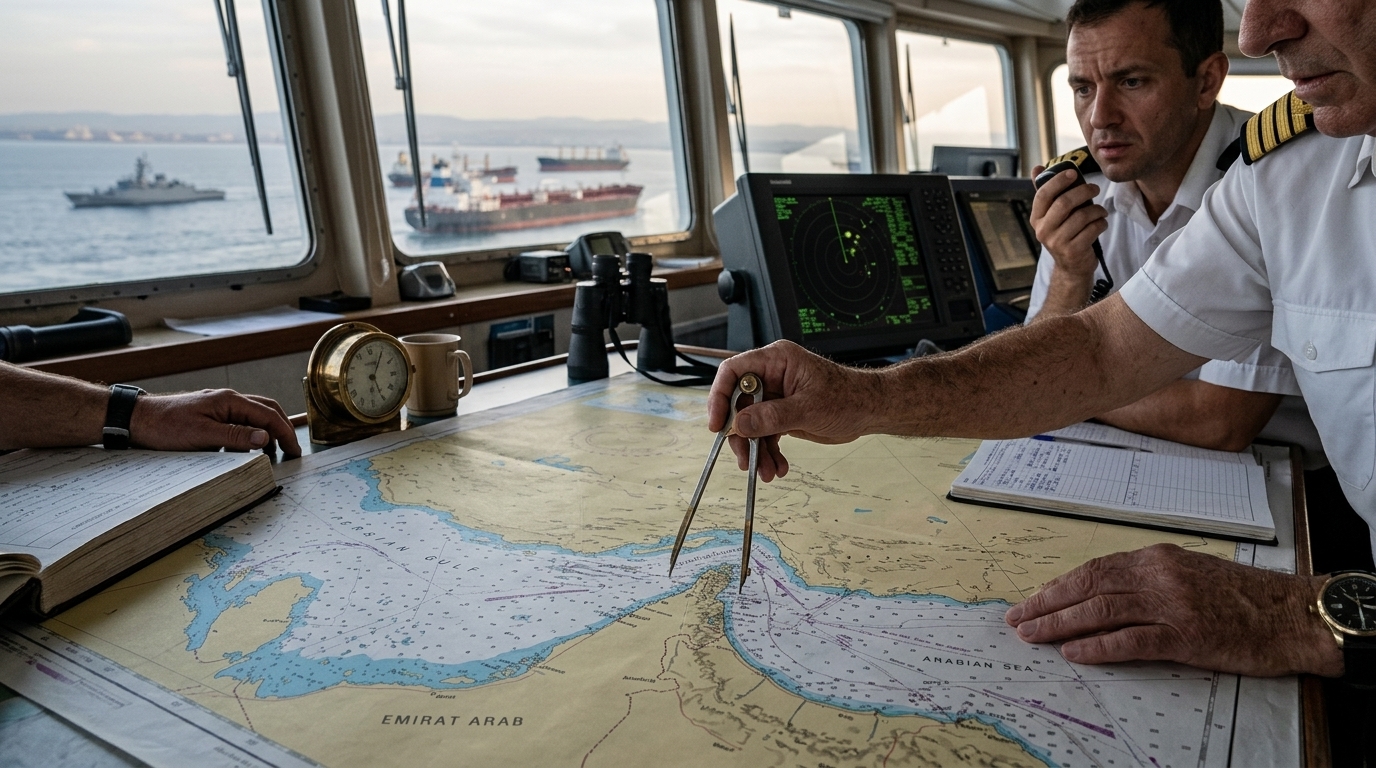
History, as it is often said, does not repeat itself, but it certainly rhymes. Today, the global community is watching with bated breath the developments in the Strait of Hormuz, a sliver of sea separating Iran from Oman and the United Arab Emirates. Measuring just 21 miles at its narrowest point, this passage serves as the primary artery of the global energy system. The German press, with analyses reminiscent of the darkest periods of the Cold War, is now openly asking: Are we facing a 'Suez moment' for the 21st century?
The Historical Parallel: From 1956 to 2024
The 1956 Suez Crisis marked the end of British and French colonial dominance and the emergence of the US and the USSR as the sole superpowers. Today, a potential full-scale entanglement in the Strait of Hormuz could bring about a similar tectonic shift. If Suez was the end of the old imperial Europe, the Hormuz crisis could represent the end of globalization as we knew it—based on the undisturbed flow of cheap energy and freedom of navigation under the protection of the US Navy.
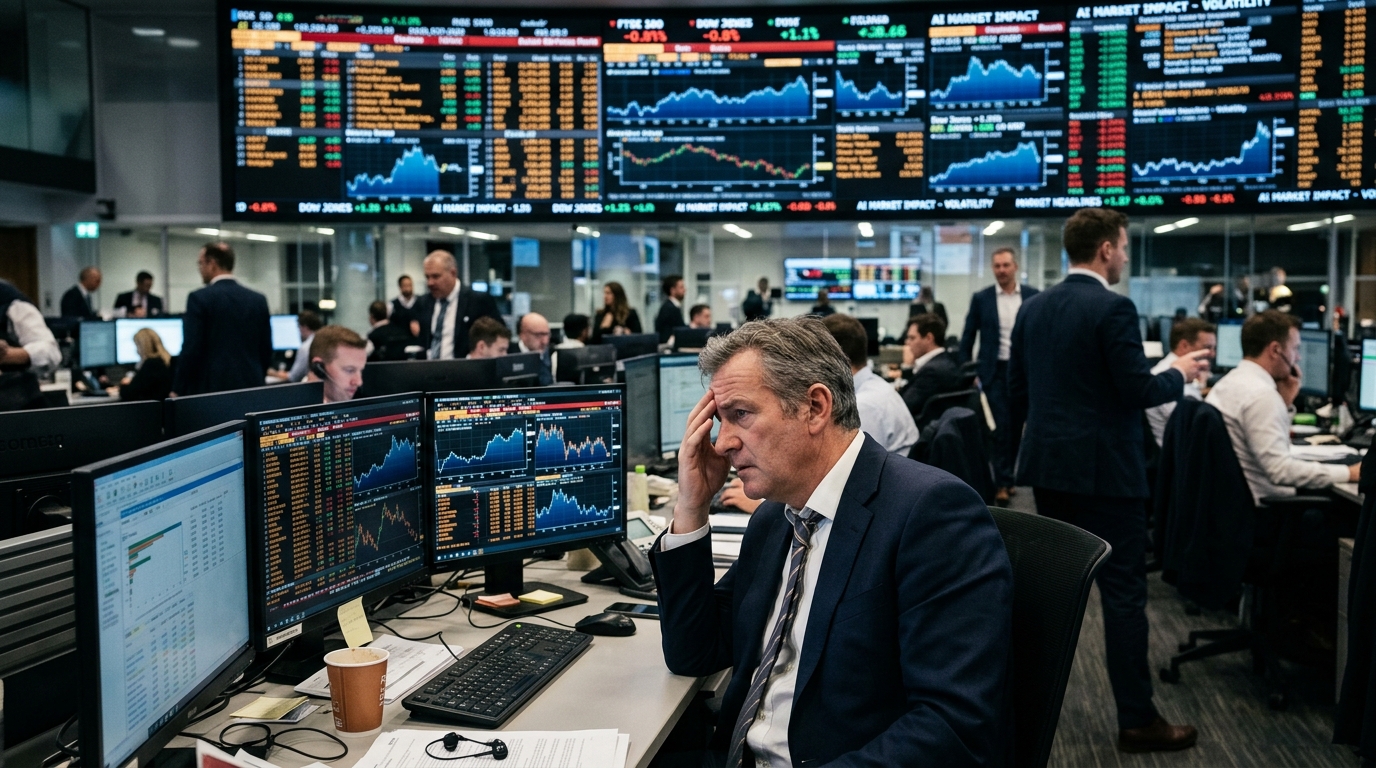
According to analysts from Handelsblatt and Frankfurter Allgemeine Zeitung, the comparison is not hyperbole. Approximately 20% of global oil consumption and a quarter of liquefied natural gas (LNG) pass through Hormuz. A disruption of this flow would not merely cause a price hike; it would trigger a global economic shock hitting Europe's heavy industry disproportionately. Germany, in particular, is already struggling with deindustrialization following the loss of Russian gas, making this threat existential.
German Anxiety and the Ghost of Inflation
For Germany, the economic engine of the Eurozone, the implications are profound. The German press highlights that the country is extremely vulnerable to external supply shocks. While the US has become largely energy-independent thanks to shale oil and gas, Europe remains shackled to maritime routes. A crisis in Hormuz would mean that shipping costs and energy prices would skyrocket, negating any efforts by the European Central Bank to rein in inflation.
"If the Strait of Hormuz closes, we won't be talking about expensive gasoline anymore, but about a global recession that will make 2008 look like a simple market correction," a German economist noted.
Furthermore, there is a security dimension. Germany, traditionally hesitant to take on a military role, now finds itself needing to support naval missions to protect navigation. This creates internal political friction in a coalition government already tested by falling polls and the rise of extremist parties.
Technology and AI: Shield and Spear
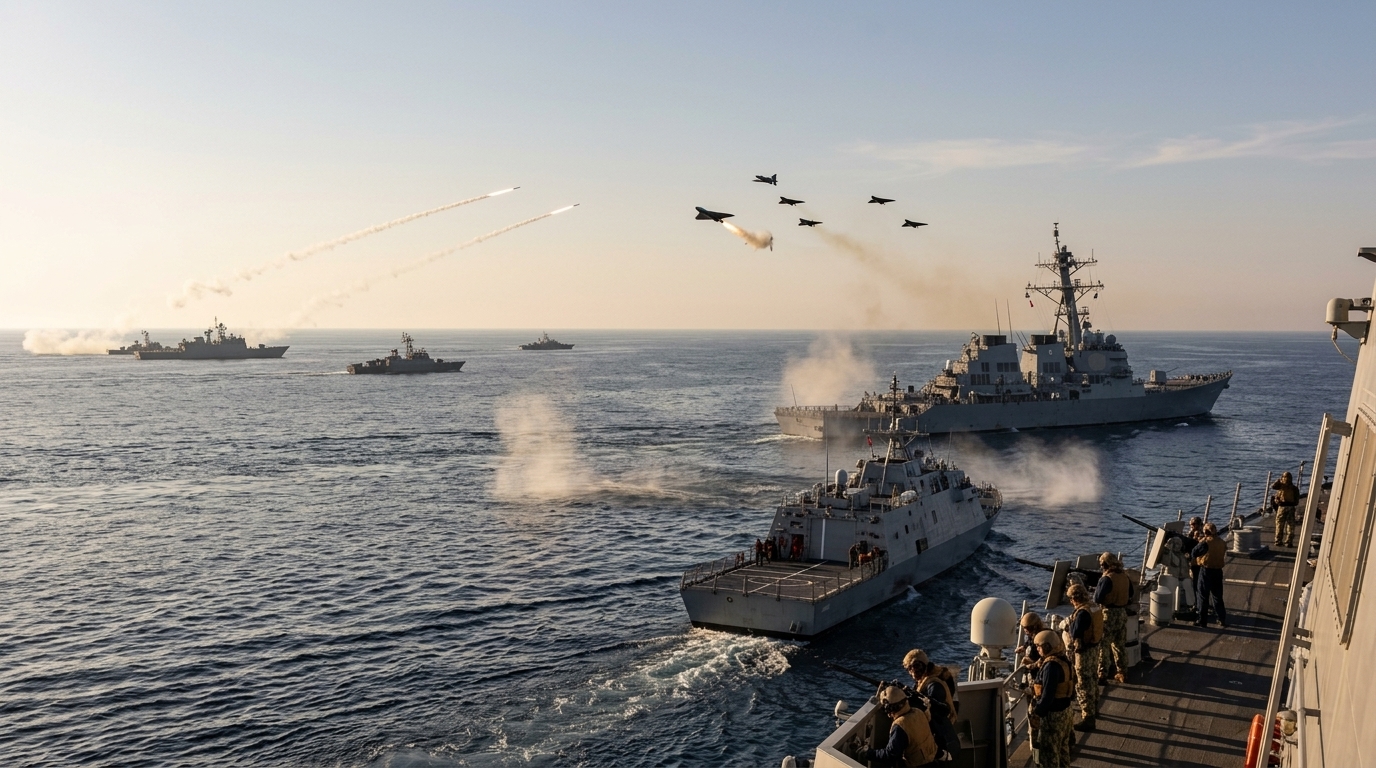
In this geopolitical theater, technology plays a dual role. On one hand, the use of Artificial Intelligence (AI) in maritime surveillance allows for the real-time detection of threats, ranging from drones to underwater sabotage. NATO and its allies are investing in autonomous surface vessels that can patrol the straits without risking human lives. Big Data analytics are used to predict the movements of the Iranian navy and coordinate convoys.
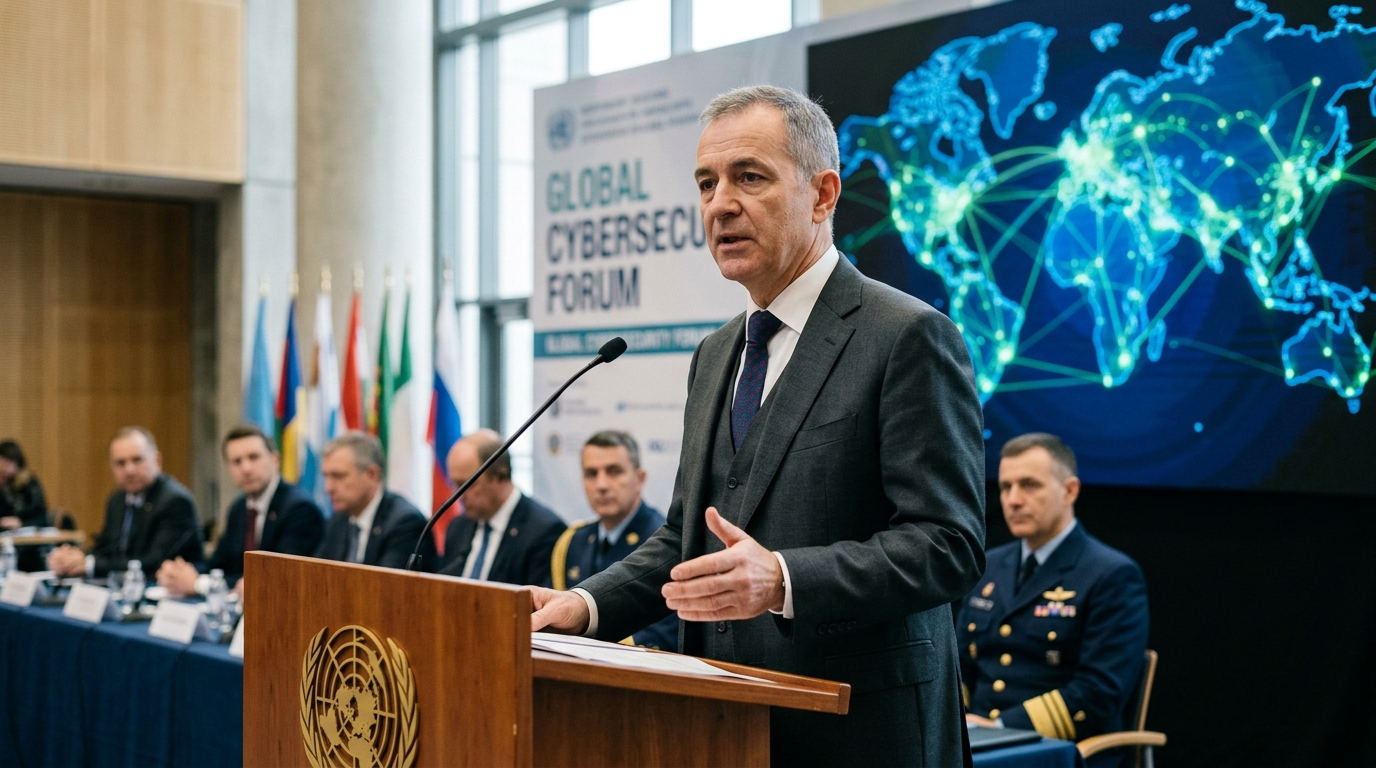
On the other hand, the same technology is being used for asymmetric warfare. Cheap drones, guided by simple AI systems, can cause massive damage to tankers worth hundreds of millions of dollars. This 'democratization' of destruction means that even smaller powers or non-state actors can hold the global economy hostage. The Hormuz crisis underscores the need for a new cybersecurity architecture for maritime transport.
Conclusions and Future Perspectives
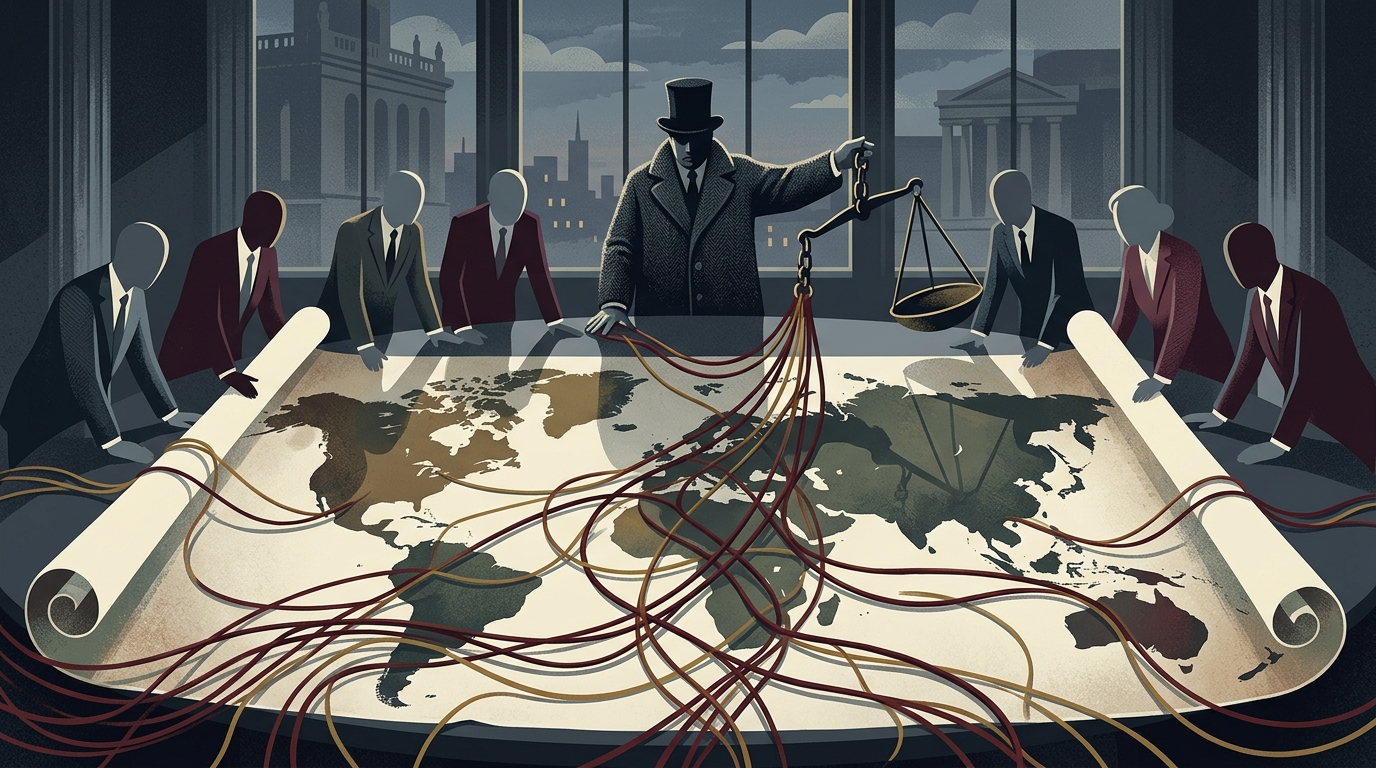
The comparison with Suez is instructive: crises in the straits are never just about navigation; they are about power. If the West fails to guarantee free passage through Hormuz, it will be the ultimate signal that American hegemony has definitively ended. For Europe, the stake is its very industrial survival. The need to diversify energy sources and invest in infrastructure protection technologies is no longer an option, but a survival mandate.
Ultimately, the Hormuz crisis reminds us that our digital world remains deeply dependent on physical geography. No algorithm can replace oil that doesn't reach its destination, and no virtual reality can mitigate the cold of a winter without heating. Diplomacy, bolstered by technological superiority, remains the only path to avoiding a new global economic shipwreck.