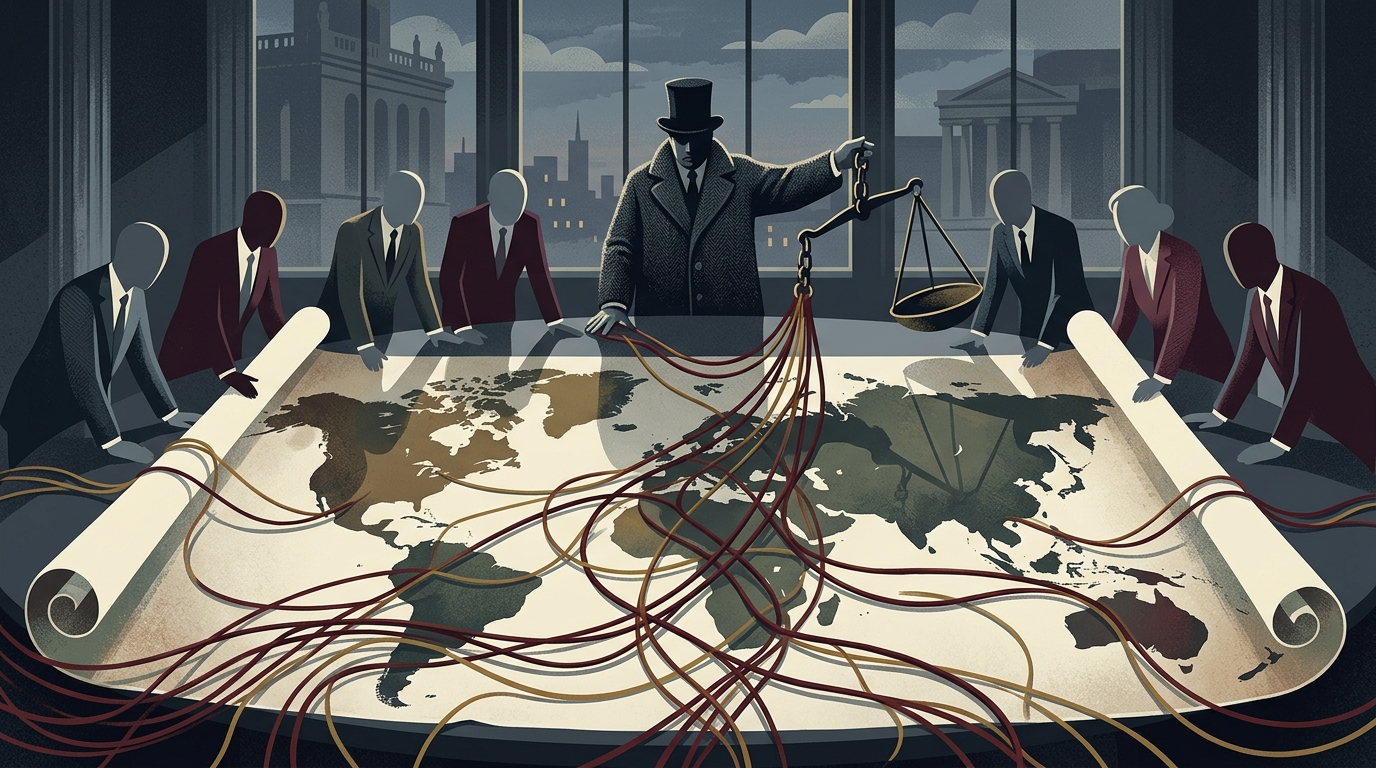
The news breaking on April 28, 2026, marks the end of an era and the beginning of a far more controversial chapter for Silicon Valley. According to Bloomberg sources, Google has reached a definitive agreement with the U.S. Department of Defense (Pentagon) to allow the integration of its most advanced generative AI models into classified military networks. This move comes eight years after the infamous employee uprising against Project Maven, which forced management to retreat from military image-recognition programs at the time.
Geopolitical Necessity and Google's Strategic Pivot
Google's decision did not occur in a vacuum. Escalating tensions in the Pacific and China's rapid advancements in military AI have placed immense pressure on American tech giants to "pick a side." Google’s leadership, led by Sundar Pichai, appears to have adopted the stance that U.S. national security is now an existential priority that supersedes the company’s previous commitments to neutrality in defense contracting.
The new deal involves providing cloud infrastructure and Gemini models for the Joint Warfighting Cloud Capability (JWCC) program. This means Google’s AI will now be used to analyze vast streams of data from reconnaissance satellites, optimize military logistics, and most controversially, support decision-making systems in active theaters of operation. While the company insists its "AI Principles" remain intact, the line between "logistical support" and "lethal autonomy" is becoming increasingly blurred.
Internal Dissent and the End of Innocence
Predictably, the announcement has sparked immediate backlash among Google’s engineering ranks. Groups of employees, carrying on the tradition of the 2018 protests, argue that the company is violating its own ethical red lines. "We signed up to build tools that help the world, not to automate the battlefield," said one senior software engineer speaking on condition of anonymity.
"Integrating AI into the Pentagon's classified systems is not just a business move; it is a political statement that fundamentally alters our company's DNA."
However, the landscape in 2026 is vastly different from 2018. The tech labor market is tighter, and the rhetoric of "patriotic duty" has gained significant traction. Analysts point out that Google could no longer afford, either financially or strategically, to remain sidelined from the massive defense contract pie, which had been dominated by Microsoft and Amazon in recent years.
Technical Challenges of Classified AI
Using Gemini in "Top Secret" environments requires the complete isolation of models from the public internet—a process known as air-gapping. Google had to develop specialized versions of its models capable of training and operating exclusively within the Pentagon’s secure infrastructure. This raises questions about model efficacy, as the power of modern AI often stems from access to continuously updated global data streams.
Furthermore, the risk of AI hallucinations remains a critical concern. In a commercial setting, a wrong answer from a chatbot is a nuisance. In a military command center, a misinterpretation of sensor data could lead to tragic loss of life or unintended escalation. The Pentagon maintains that AI will always operate with a "human-in-the-loop," but the sheer speed of modern algorithmic warfare makes this promise difficult to uphold in practice.
Conclusion: A New Balance of Power
Google’s decision to open its doors to the Pentagon is a watershed moment for the relationship between the state and the technology sector. Silicon Valley is no longer an independent pole of innovation but a critical arm of national power. As the race for AI supremacy transforms into a new "Cold War," the ethical hesitations of the past seem to be yielding to the necessities of strategic survival. The question remains: will the technology designed to organize the world's information ultimately be used to facilitate its more efficient destruction?