The international diplomatic stage is witnessing a high-stakes standoff as tensions between Washington and Tehran escalate to unprecedented levels. With Donald Trump’s return to the White House, the strategy of 'maximum pressure' has been revived, now coupled with explicit threats of military action. The recent denial by Iran’s state news agency, IRNA, regarding rumored talks in Pakistan, combined with the U.S. President’s 'last chance' ultimatum, creates a landscape of total uncertainty.
Tehran’s Rejection and the Diplomatic Void
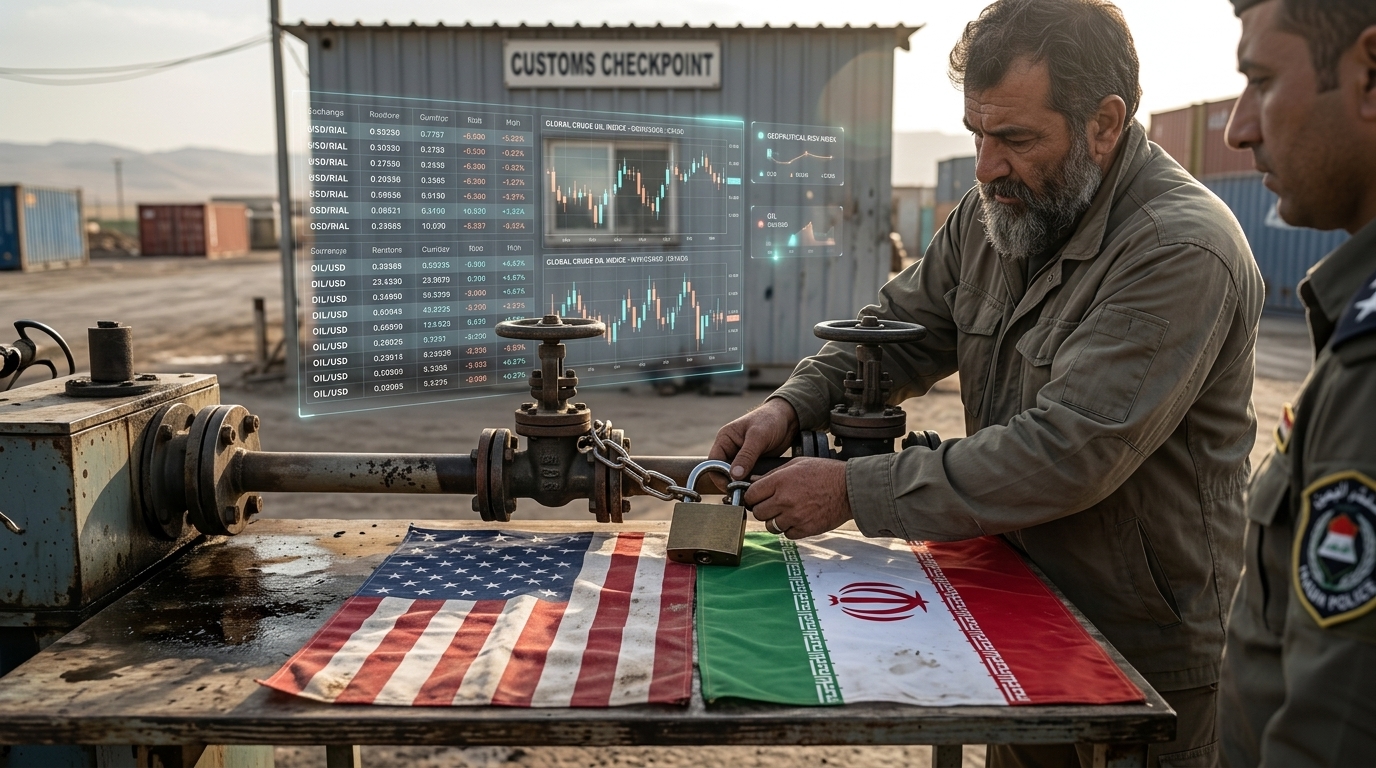
Iran, through its official channels, was quick to label reports of planned talks in Islamabad as 'fake news.' This move is more than a bureaucratic denial; it is a calculated statement of sovereignty. For Tehran, accepting negotiations under the shadow of direct threats is perceived as a sign of weakness that could destabilize the regime's internal standing. Iranian officials insist that any dialogue must be predicated on mutual respect and the lifting of sanctions—conditions that the Trump administration seems to have ruled out entirely.
Iran’s refusal to come to the table under current conditions reflects a deep-seated mistrust built over decades, reaching its zenith with the U.S. withdrawal from the nuclear deal (JCPOA) in 2018. Tehran appears to be opting for a strategy of 'active resistance,' betting on the difficulty the U.S. would face in opening a new front in the Middle East while already heavily invested in supporting Ukraine and Israel.
Donald Trump’s 'Last Chance' Ultimatum
On the other side, Donald Trump is employing his signature tactic of extreme escalation to force an opponent’s hand. His 'last chance' warning before 'severe strikes' is not merely directed at the Iranian leadership; it serves as a message to the American domestic audience and regional allies, specifically Israel and Saudi Arabia. Trump aims to demonstrate that the era of 'strategic patience' is over.
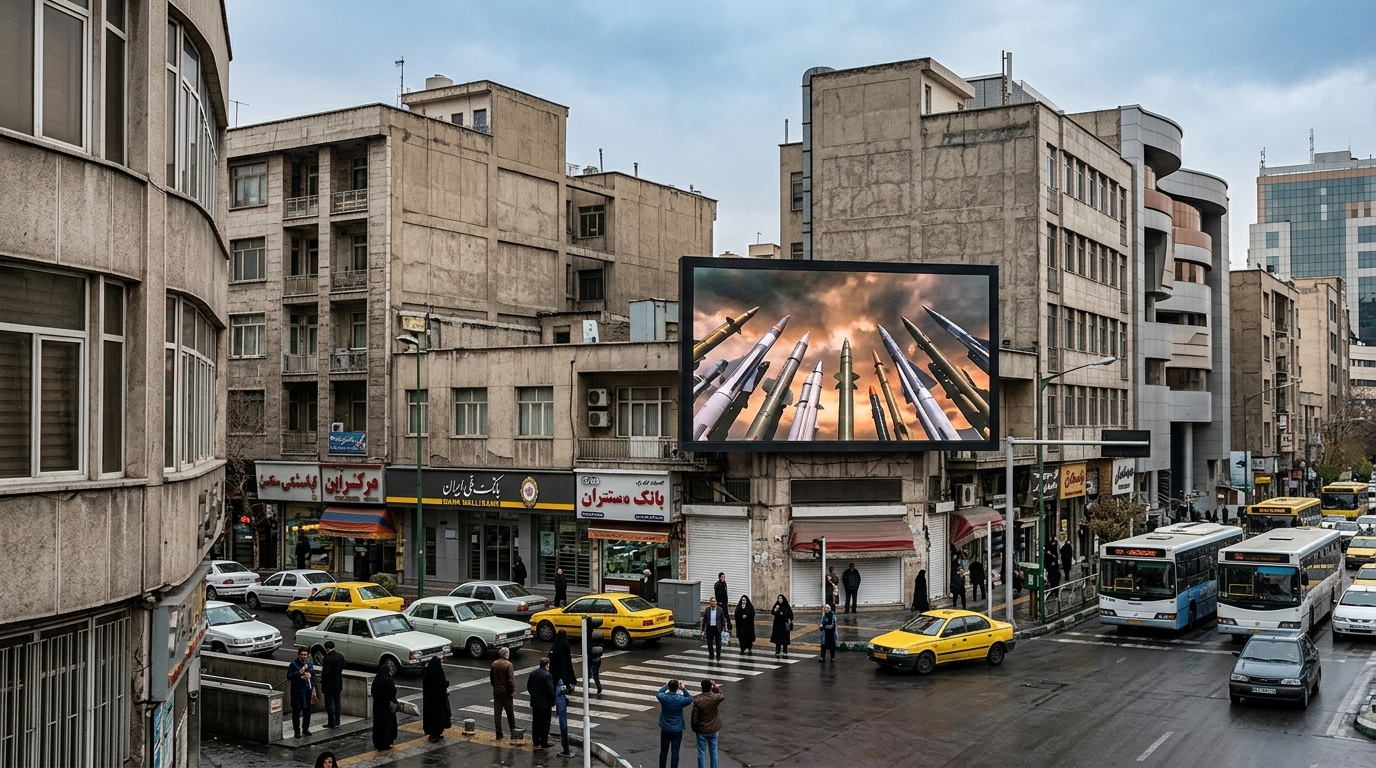
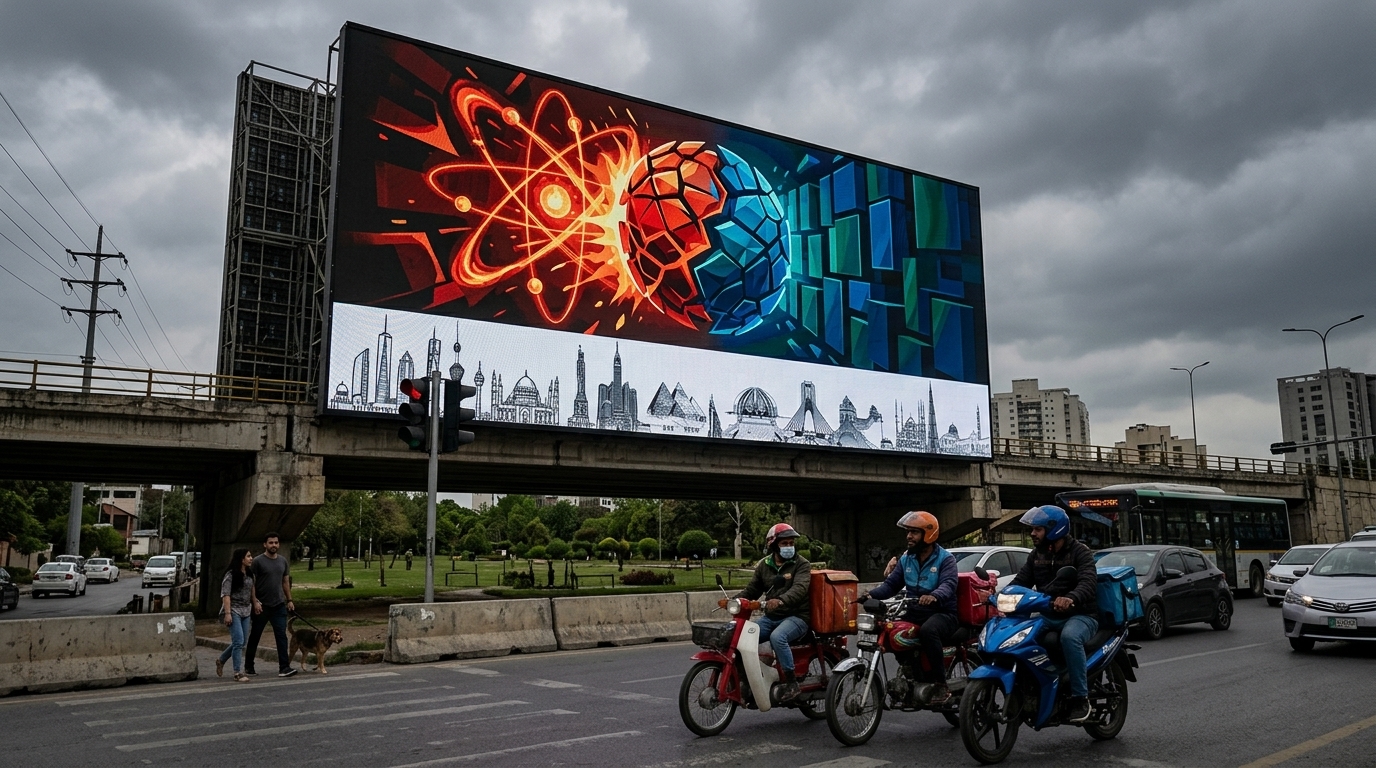
Analysts suggest that the American President might be using the threat of military force as leverage for a new, much more restrictive agreement. This potential 'Deal of the Century' for the Middle East would likely target not only Iran’s nuclear capabilities but also its ballistic missile program and its network of regional proxies. However, the risk of a miscalculation leading to a full-scale war is higher than it has ever been in recent history.
The Strait of Hormuz and Global Stability
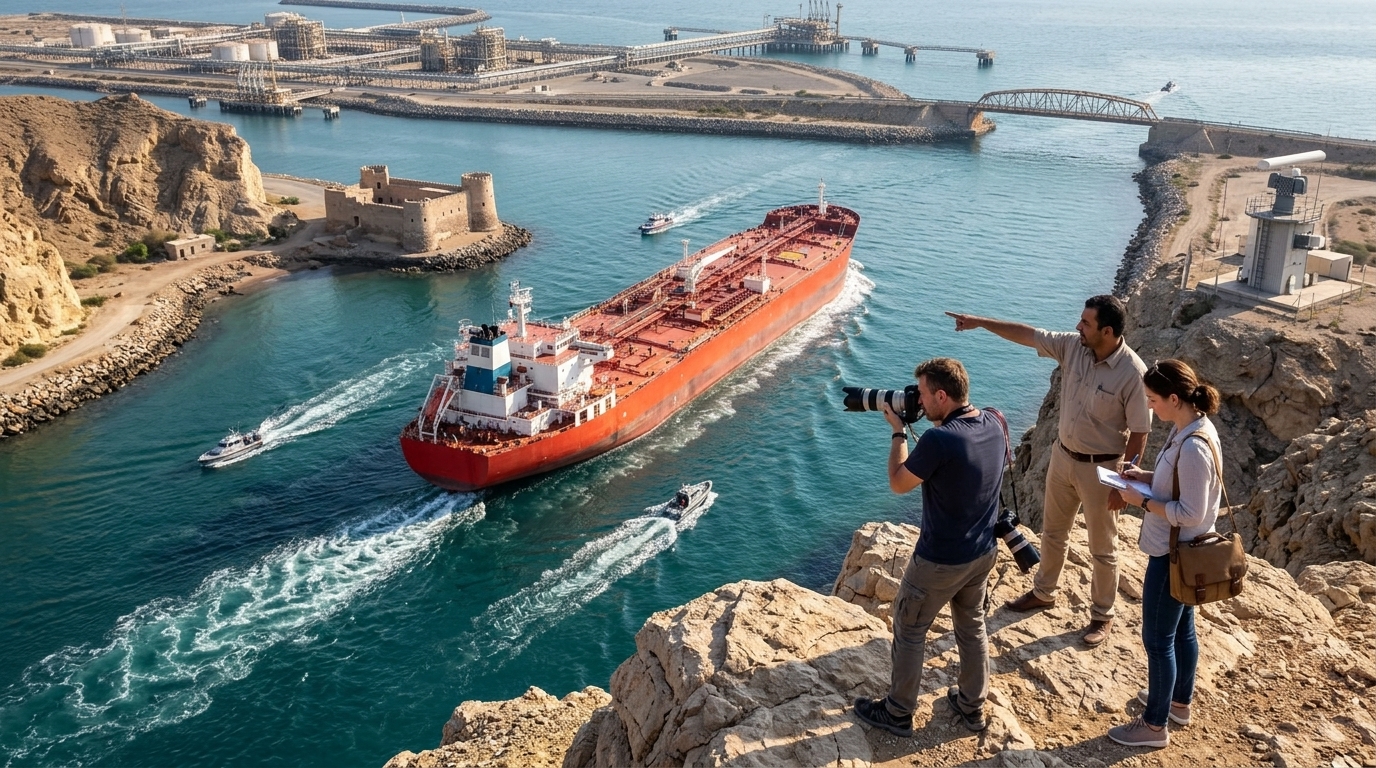
One of Iran's most potent strategic assets remains the Strait of Hormuz. The threat to close this vital waterway, through which 20% of the world’s oil consumption passes, is a nightmare scenario for global markets. If Trump’s rhetoric transitions into kinetic action, Tehran is almost certain to respond by weaponizing energy flows. Such a development would trigger a global inflationary shock, potentially undermining Trump’s own economic agenda at home.
Furthermore, the integration of AI in modern espionage and cyber warfare has shifted the paradigm of this conflict. While the U.S. maintains technological superiority, Iran has proven its ability to inflict significant damage through asymmetrical threats. The battlefield is no longer restricted to physical hardware; it extends into digital realms where attribution is difficult and escalation can happen in milliseconds.
Conclusion: Diplomacy on the Brink
The situation remains volatile. While the U.S. pushes for a 'final solution' to the Iranian question, Tehran shows no intention of surrendering under humiliating terms. The lack of a reliable backchannel for communication makes the situation exceptionally dangerous. The coming weeks will determine whether the Middle East moves toward a new era of negotiations or a catastrophic conflict that will reshape the region's map forever.