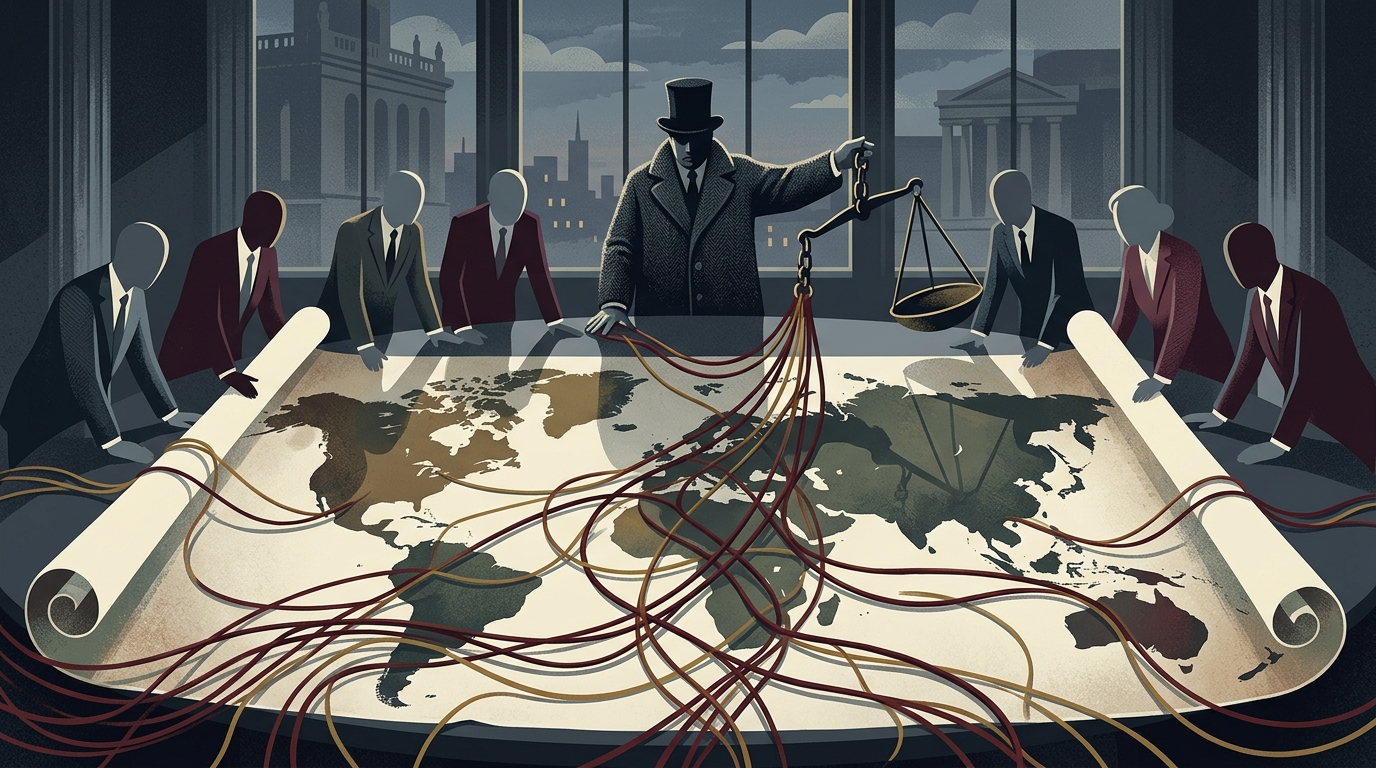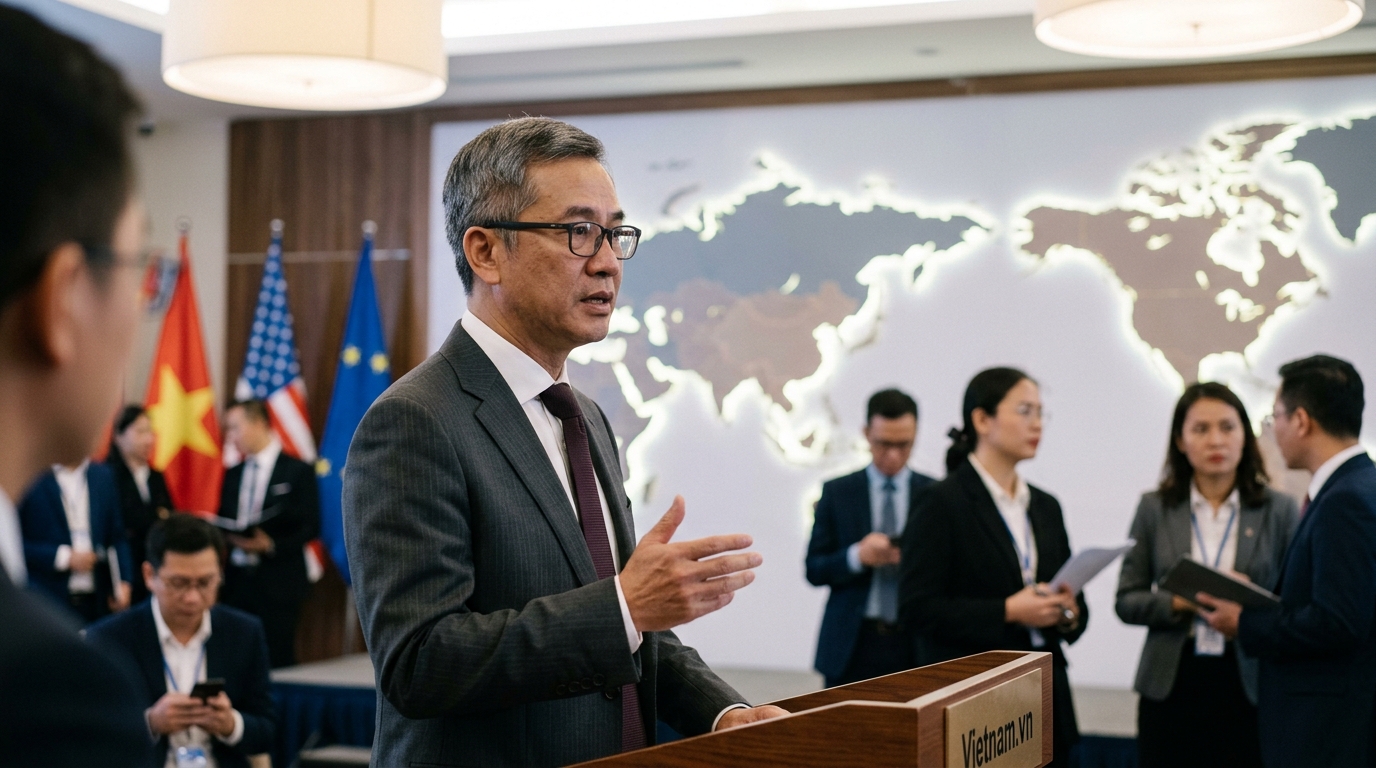
As we navigate the first half of 2026, the global economy faces a paradoxical reality: the very technology promised to unlock limitless productivity—Artificial Intelligence—has become the primary driver of instability in the semiconductor supply chain. Taiwan Semiconductor Manufacturing Company (TSMC), the undisputed sovereign of the market, now finds itself in a state of "siege" by demand, forcing major powers to rethink their alliances and seek alternatives in nations like Vietnam and India.
The Production Capacity Deadlock
The bottleneck is no longer just about etching circuits at nanometer scales; it lies in the specialized packaging processes required by AI processors. TSMC’s CoWoS (Chip on Wafer on Substrate) technology has become the global production choke point. Despite multi-billion dollar investments in new fabs in Arizona and Kumamoto, TSMC is unable to fulfill orders for giants like NVIDIA and Apple. This "blockage" is not merely a business issue; it is a geopolitical crisis affecting the national security of both the U.S. and China.
The world's reliance on a single island, Taiwan, for 90% of advanced semiconductors is now deemed unsustainable. As AI demands ever-increasing computational power, Taiwan's "Silicon Shield" is beginning to show cracks, as Western allies push for production to be dispersed to more "secure" or geographically diverse regions.
Shifting Alliances and the Rise of Vietnam
In this context, we are witnessing a dramatic pivot in alliance strategies. Vietnam is emerging as a central player, attracting investments that would traditionally have flowed to Taiwan or China. Recent activity suggests that the U.S. is actively encouraging the transfer of technical expertise to Hanoi as part of a "friend-shoring" strategy. The logic is simple: mitigate reliance on TSMC by fostering a secondary ecosystem in Southeast Asia.
- Intel and Samsung are expanding testing and packaging facilities in Vietnam.
- Japan is offering unprecedented subsidies to revive domestic production.
- The European Union, via the European Chips Act, is courting TSMC to build 2nm fabs in Germany.
However, this "course reversal" is not without risk. TSMC fears that over-dispersing its technology could lead to a loss of its competitive edge, while China reacts sharply to any attempt to exclude it from the AI supply chain.
The Political Economy of Silicon
Artificial Intelligence has transformed chips from commodities into instruments of power. In Washington, the conversation is no longer about free trade, but about "techno-nationalism." Export restrictions to China have forced Beijing to invest trillions of yuan into developing its own photolithography, though the gap between them and ASML or TSMC remains vast.
"Whoever controls AI chip production in 2026, controls the global economy of 2030," industry analysts state.
TSMC, for its part, is walking a tightrope. On one hand, it must satisfy U.S. demands by moving production away from Taiwan; on the other, it must maintain profitability despite the massive operational costs in countries with higher labor costs and less specialized workforces. The AI-induced production "blockage" is the catalyst for a radical realignment that will define geopolitical balances for decades to come.