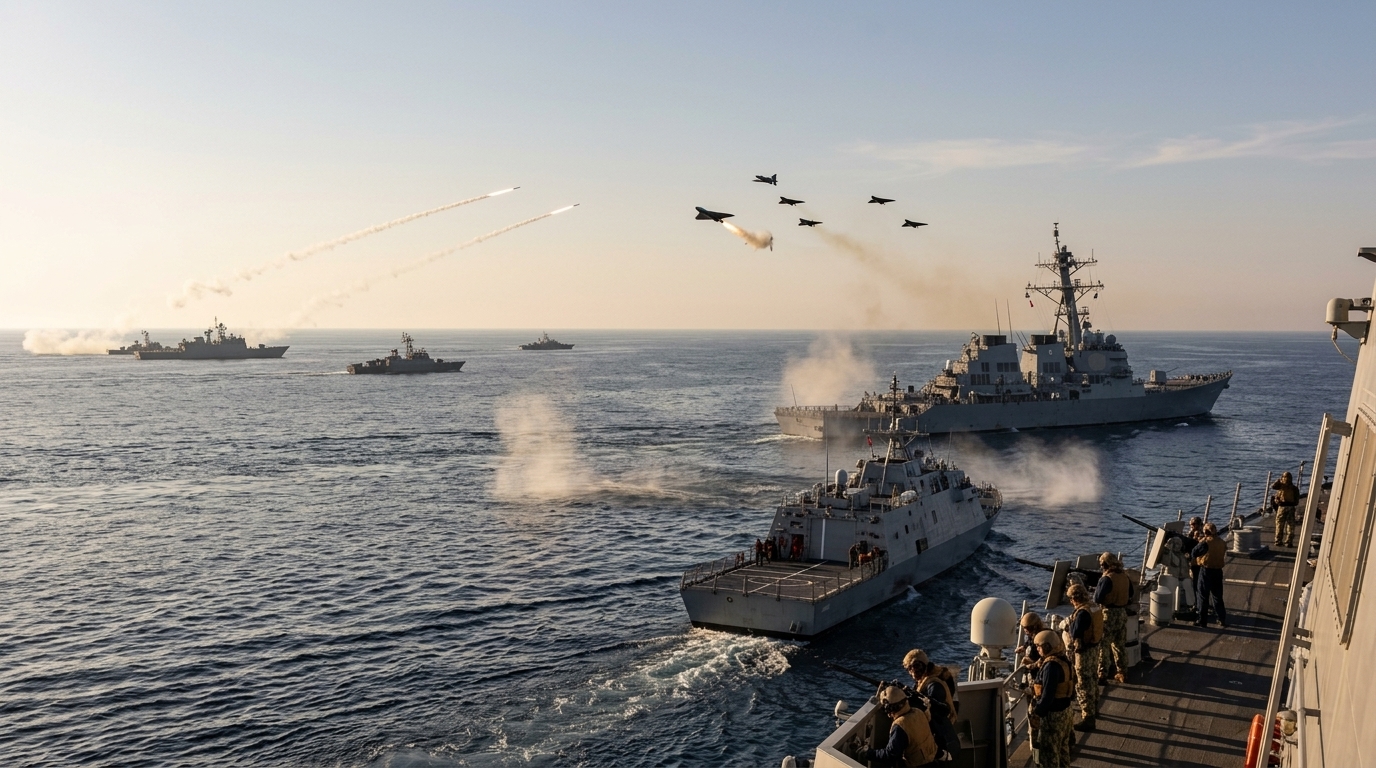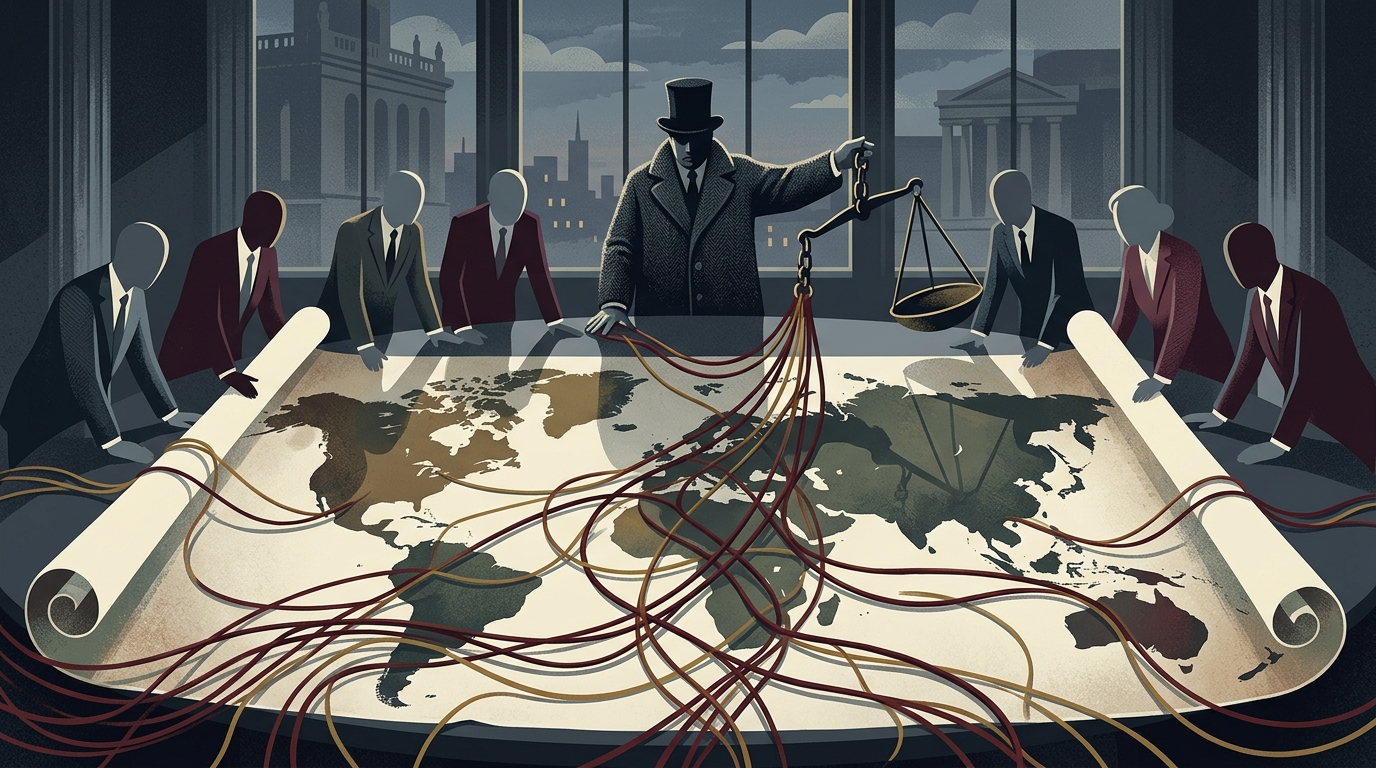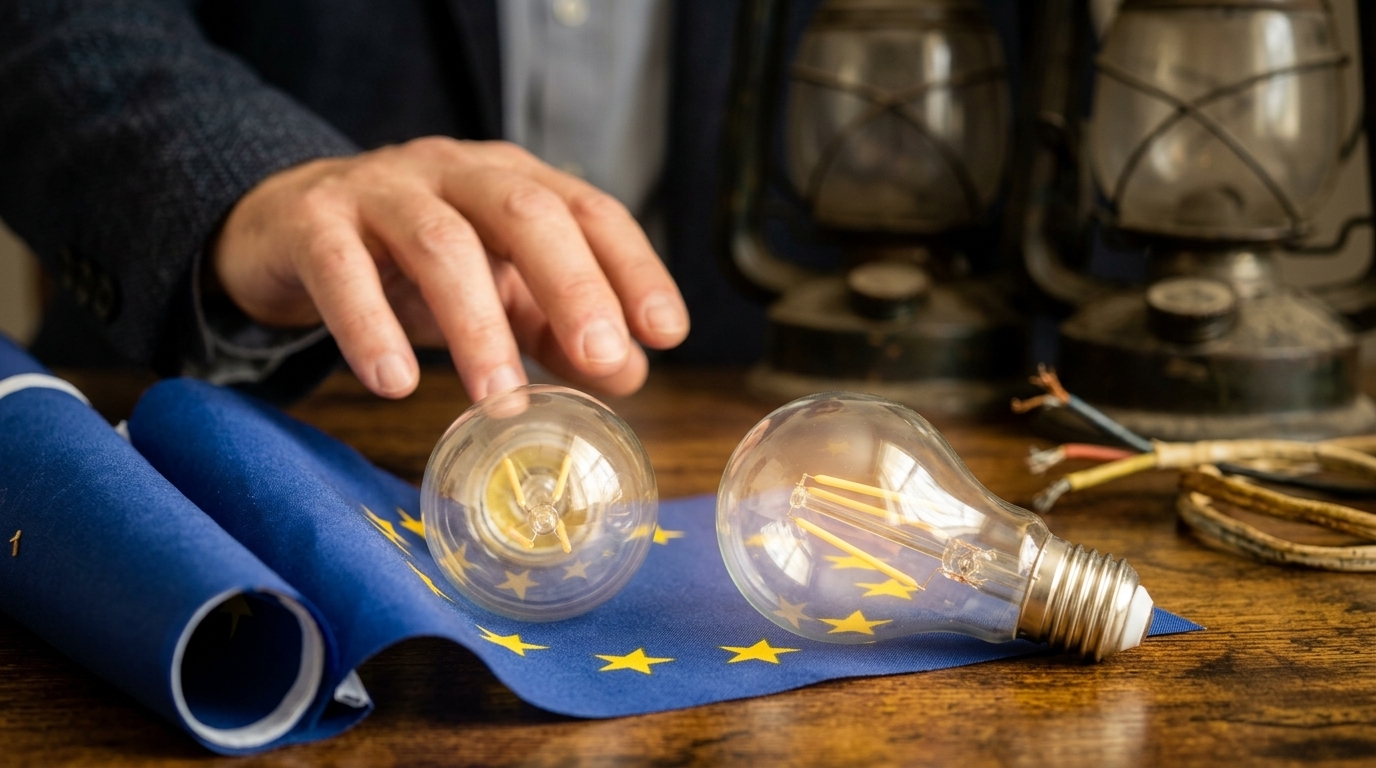
The geopolitical energy chessboard is shifting at a speed that the European Union is struggling to match. Following the painful process of decoupling from Russian natural gas, the Old Continent now faces a new, equally threatening reality: prolonged instability in the Middle East. The recent escalation of tensions with Iran and the ongoing turmoil in Red Sea shipping lanes are not merely a passing episode, but the beginning of a multi-year 'headache' that threatens to undermine the EU’s economic recovery and social cohesion.
From Russia to the Middle East: A Dangerous Transition
The EU’s strategy for diversifying energy sources relied heavily on increasing imports of Liquefied Natural Gas (LNG) and strengthening ties with Middle Eastern producers such as Qatar and the United Arab Emirates. However, this shift has replaced one geopolitical risk with another. Iran, as a regional power with the potential to control the Strait of Hormuz, holds the 'key' to 20% of global oil consumption and 25% of global LNG trade.
Analysts argue that Europe is now more vulnerable to Middle Eastern disruptions than it was a decade ago. The lack of long-term contracts and the reliance on the spot market for LNG means that any rise in tension translates immediately into price hikes on European energy exchanges. This creates an environment of uncertainty for industries, particularly in the chemical and steel sectors, which form the backbone of the German and French economies.
The Cost of Maritime Routes and Inflationary Risks
The crisis in the Red Sea, marked by Houthi attacks on commercial vessels, has already forced major shipping companies to reroute tankers around the Cape of Good Hope. This change adds 10 to 15 days to the journey, sharply increasing transportation costs and carbon emissions. For the EU, this means that 'cheap' gas from the Gulf is no longer cheap, nor is it guaranteed.
- Increased insurance costs for vessels traversing the region.
- Supply chain delays affecting industrial production.
- Pressure on the European Central Bank to maintain high interest rates due to imported inflation.
"Energy is no longer just an economic commodity, but the ultimate geopolitical weapon of the 21st century. Europe must learn to navigate a world where security takes precedence over price," a senior Commission official noted.
The Green Transition as the Only Way Out?
The current crisis brings the debate over the speed of the Green Deal back to the forefront. While some argue that expensive energy slows down investment in green technologies, the official line from Brussels remains that the only permanent solution to energy blackmail is full decoupling from fossil fuels. However, the transition requires critical minerals and rare earths, the control of which also lies largely outside European borders, creating new dependencies.
The 'headache' for the EU will persist as long as the region remains trapped between the need for immediate energy sufficiency and the long-term goal of climate neutrality. The Middle East is no longer a distant conflict but a factor determining the electricity bill of every European citizen and the competitiveness of every European business. Europe’s strategic autonomy is being tested now more than ever, as it is called to balance on a tightrope between diplomacy, economics, and security.