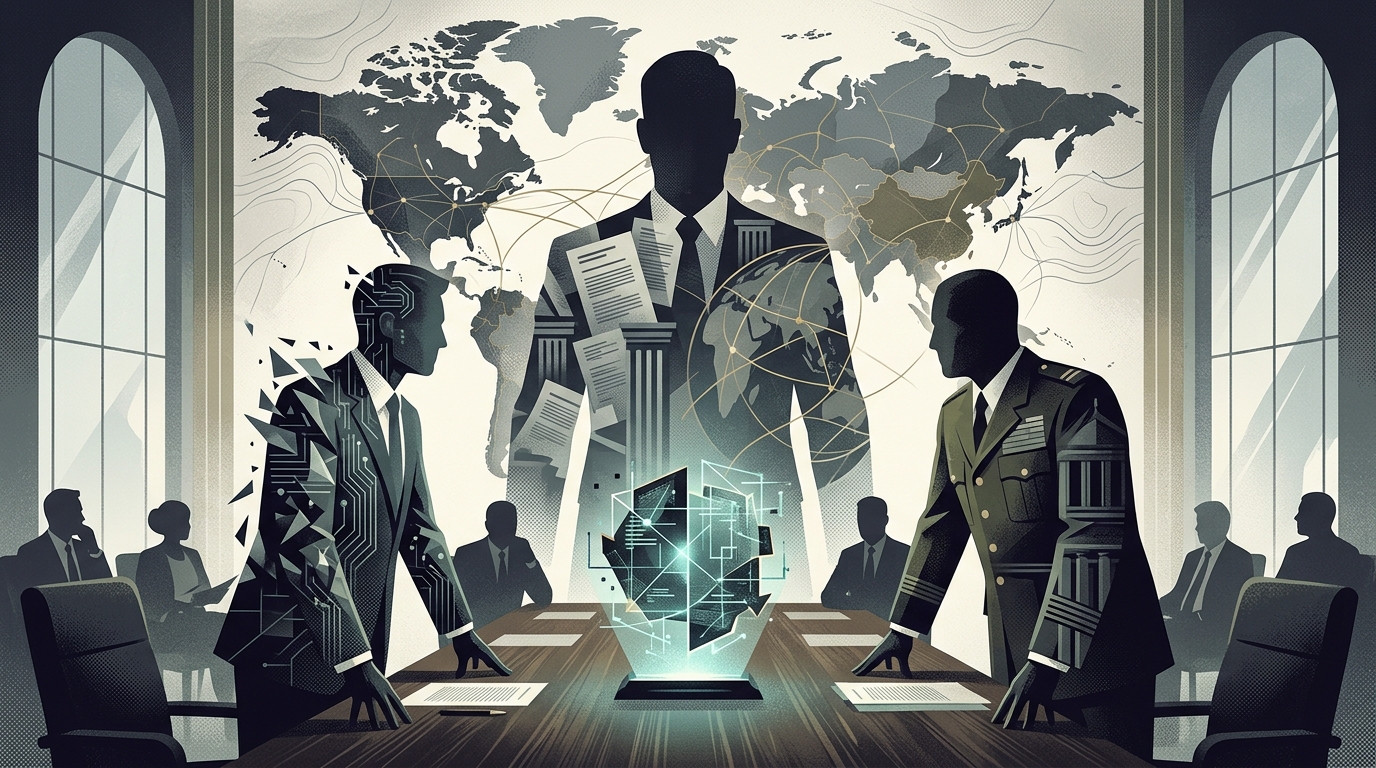
As we navigate the early months of 2026, the global AI discourse has evolved significantly. We have moved past the initial awe of large language models and into the gritty reality of industrial application. While Western tech giants remain largely focused on consumer-facing AI and office productivity, Beijing is executing a far more systemic vision: a transition from 'Machine Intelligence' to 'Swarm Intelligence.' This shift is not merely a technical upgrade; it is the foundational architecture for a 'Global Intelligent Economy' designed to dominate the 21st-century landscape.
The Philosophy of the Swarm: Moving Beyond Isolated AI
The concept of 'Swarm Intelligence' (群智) in the Chinese strategic context is inspired by biological systems—the way bees or ants coordinate to achieve complex goals far beyond the capacity of any single individual. In the realm of AI, this translates to decentralized networks of millions of autonomous agents interacting in real-time. This marks a departure from the 'command and control' model of centralized supercomputers toward a self-organizing ecosystem where factories, logistics hubs, energy grids, and transport networks communicate and optimize autonomously.
This strategy is inextricably linked to President Xi Jinping’s doctrine of 'New Productive Forces.' This term describes economic growth driven by high-tech innovation that breaks from traditional growth patterns. China is betting that the next era of globalization will not be defined by the movement of low-cost labor, but by the orchestration of intelligent systems that optimize production across borders.
The Digital Silk Road and Global Connectivity
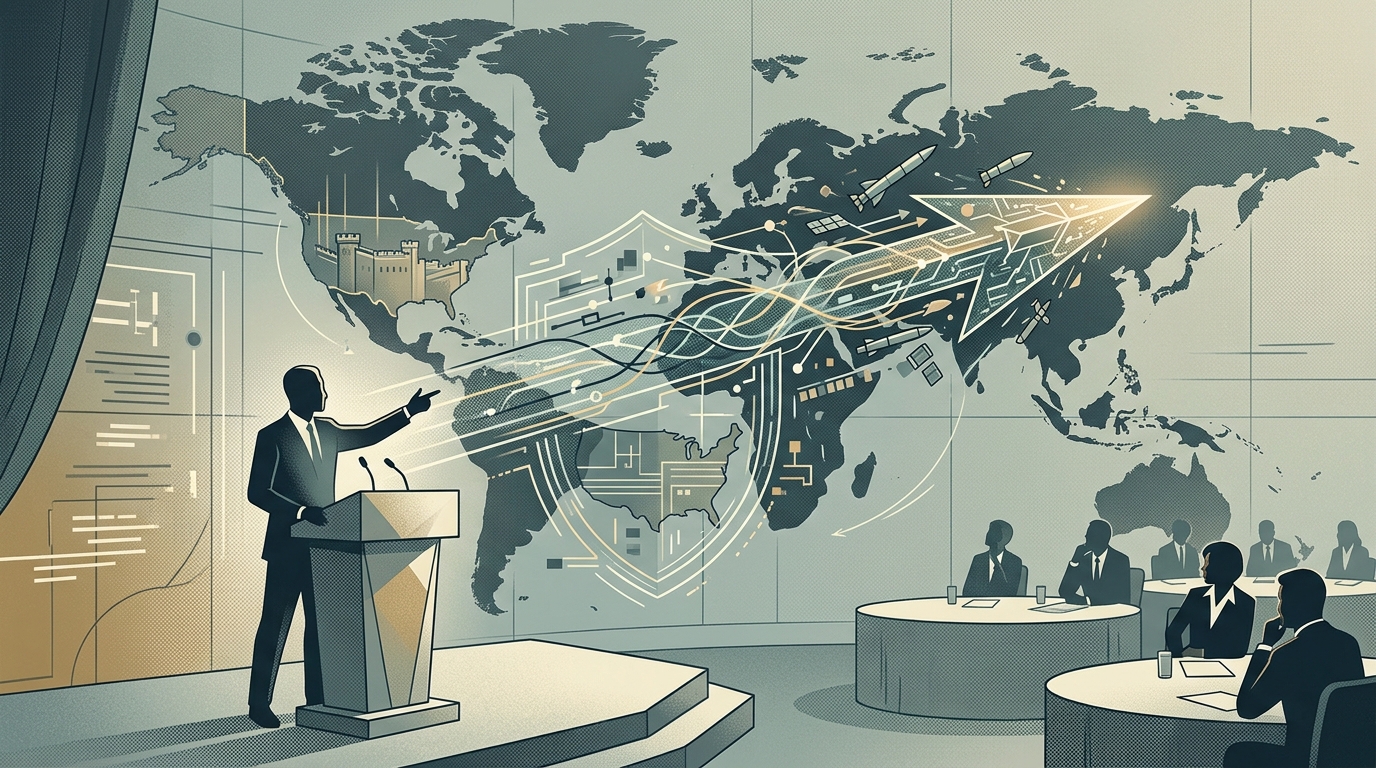
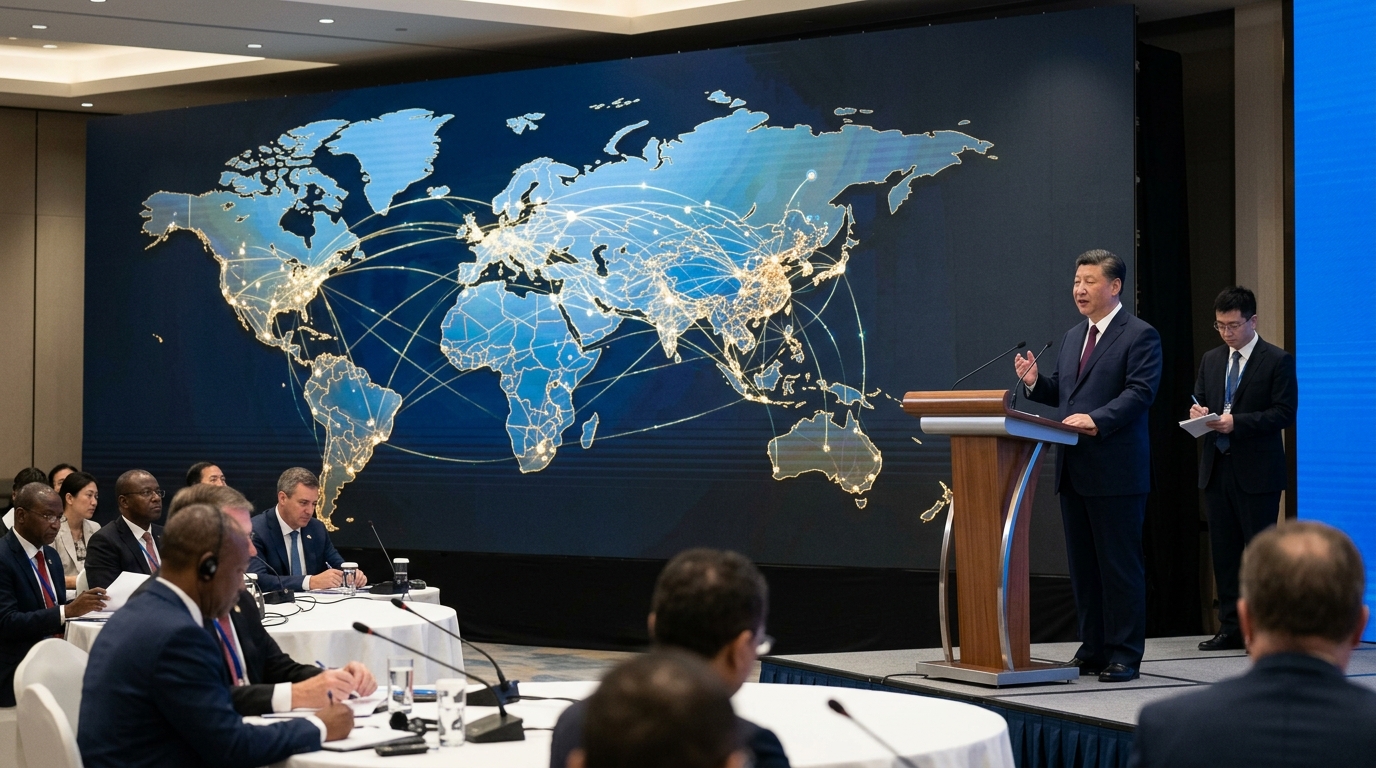
China’s ambitions are not confined by its borders. Through the 'Digital Silk Road,' a key component of the Belt and Road Initiative (BRI), Beijing is exporting this intelligent infrastructure to the Global South. From smart cities in Africa to automated port terminals in Southeast Asia, China is providing a 'turnkey' operating system for national development. This creates a new form of structural power: countries that adopt Chinese swarm intelligence standards become de facto parts of a digital ecosystem centered in Beijing.
- Infrastructure: Massive investments in 5G-Advanced and 6G networks, alongside edge computing centers to support low-latency swarm coordination.
- Standardization: Leading the development of international technical standards for autonomous multi-agent systems.
- Governance: Exporting a model of 'data sovereignty' that prioritizes state-led digital management over the open-internet ideals of the West.
The geopolitical stakes are immense. While the United States leads in the design of high-end chips and frontier models, China is rapidly gaining the upper hand in 'Applied AI' at a massive industrial scale. The ability to coordinate thousands of drones, autonomous delivery vehicles, and industrial robots through a unified swarm intelligence framework provides China with a dual-use advantage—bolstering both economic efficiency and military logistics.
Challenges and the Future of Global Order
However, the road to an Intelligent Economy is fraught with obstacles. Western export controls on advanced semiconductors remain the most significant hurdle for Chinese ambitions, forcing Beijing to innovate around hardware limitations using sophisticated software orchestration. Furthermore, there is the 'trust deficit.' Many developed nations view the integration of Chinese swarm systems into their critical infrastructure as a significant security risk, citing concerns over surveillance and systemic vulnerability.
"The AI battle will not be won by the smartest chatbot, but by the entity that successfully organizes global commerce through an intelligent nervous system," notes a recent Eurasia Review analysis.
In conclusion, the pivot to swarm intelligence is China’s strategic response to demographic shifts and the need for high-quality growth. If Beijing succeeds, the global economy of 2030 will look less like a collection of independent markets and more like a single, intelligent organism—with China functioning as its primary neural hub. The West’s challenge is no longer just to build better AI, but to offer a competing vision for how that AI organizes the physical world.