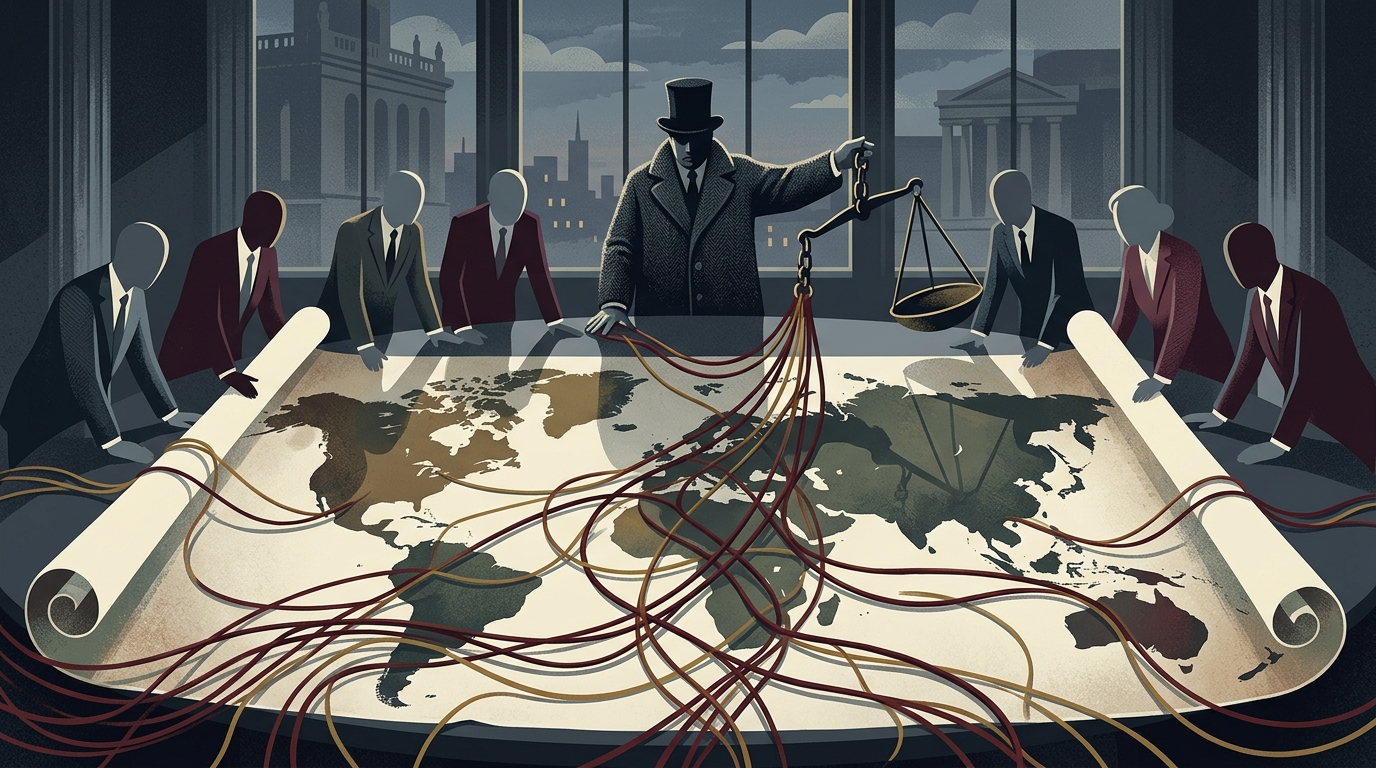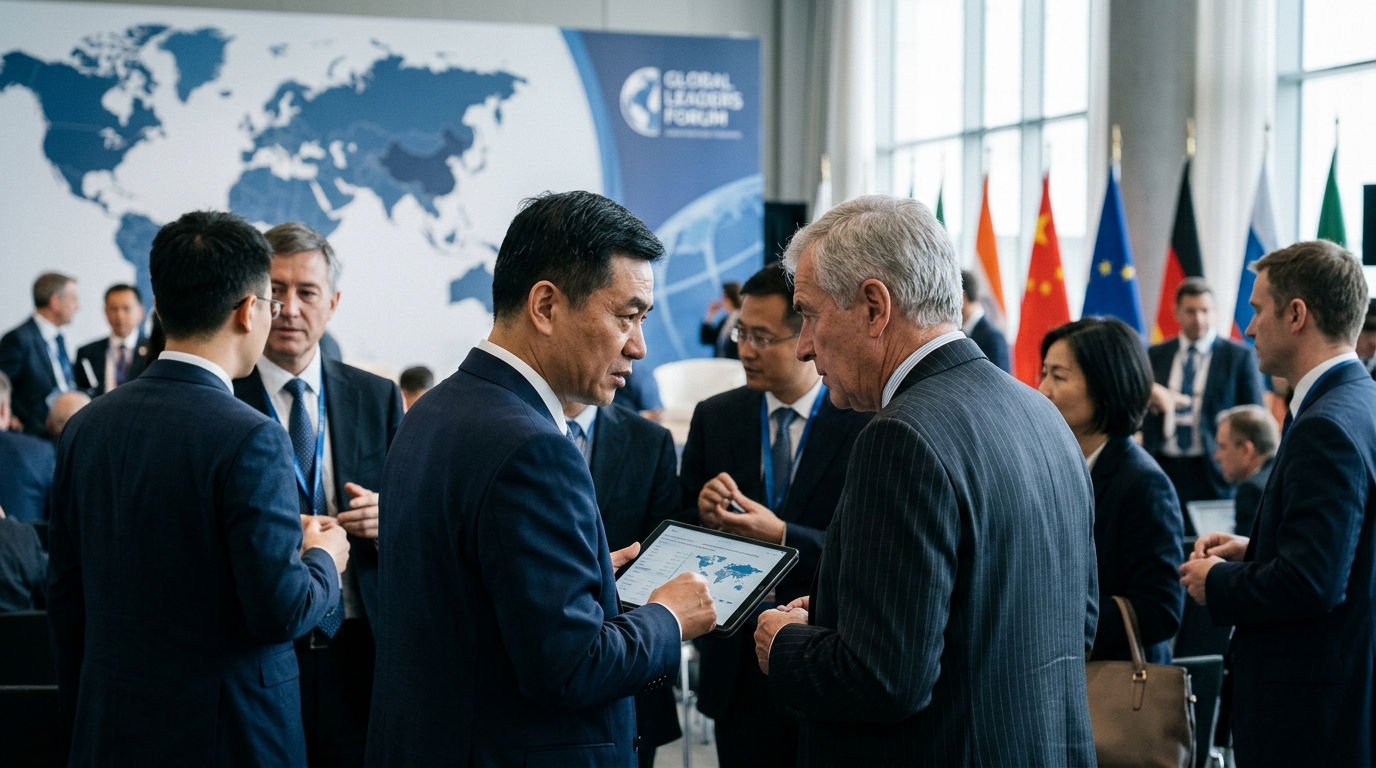
The global AI geopolitical chessboard received a significant jolt this week with the official preview release of DeepSeek-V4. DeepSeek, a Chinese firm that has already established itself as the industry’s primary disruptor, unveiled a model that promises to surpass current Western benchmarks, not just in raw performance, but in unprecedented energy and cost efficiency. At a time when Washington is tightening export controls on advanced semiconductors to Beijing, DeepSeek appears to have found the 'holy grail' of computing: creating cutting-edge intelligence with a fraction of the resources required by American tech giants.
The Architecture of Efficiency: MoE and the New Reality
DeepSeek-V4 is built upon a highly sophisticated Mixture-of-Experts (MoE) architecture, which allows the model to activate only the necessary subsets of its parameters for any given query. While this approach is not entirely new, DeepSeek’s implementation pushes it to the extreme. While OpenAI and Google rely on massive clusters of Nvidia GPUs to 'brute force' intelligence, the Chinese approach prioritizes algorithmic elegance.
According to technical reports, V4 achieves performance levels comparable to the preview versions of GPT-5 and Claude 4, while consuming nearly 40% less energy during training. This achievement shatters the narrative that a lack of access to Nvidia’s Blackwell chips would leave China permanently disadvantaged. Instead, necessity has become the mother of invention, driving software innovations that make hardware a less critical bottleneck.
Geopolitical Implications: The Silicon Great Wall
The rise of DeepSeek-V4 serves as a clear warning to the West. The strategy of 'technological containment' pursued by the US appears to be having the opposite effect of what was intended. Instead of slowing China down, it has forced the nation to develop a domestic ecosystem that is now more agile and less dependent on external supply chains. DeepSeek-V4 is not just a tool; it is a symbol of technological sovereignty.
- Self-Sufficiency: China is proving it can produce world-class AI using domestic solutions and optimized codebases.
- Open Source as a Weapon: DeepSeek’s decision to release the model with open weights undermines the business model of Silicon Valley’s closed-garden ecosystems.
- Global South Influence: Many developing economies are now looking toward Chinese AI solutions, which are cheaper and equally powerful.
This move also shifts the dynamics within China itself. While giants like Alibaba and Baidu have followed a more conservative path, DeepSeek operates as a 'guerrilla' force, forcing traditional players to accelerate their own development cycles.
The Future of Global AI: A Bipolar World?
As we approach the latter half of 2026, the vision of a unipolar world under the hegemony of Microsoft and Google feels increasingly dated. DeepSeek-V4 introduces a new normal where innovation is no longer measured solely by billions of dollars in hardware investment, but by the ability to do 'more with less.' This paradigm shift could lead to deflationary pressure on the cost of intelligence globally.
"DeepSeek-V4 is not just a response to sanctions; it is proof that architecture triumphs over infrastructure," analysts in Beijing suggest.
Ultimately, the success of V4 poses a critical question for policymakers in Europe and the US: Did export restrictions merely accelerate the emergence of a competitor that can no longer be contained? The answer seems to lie in DeepSeek’s code, which is now running on millions of servers worldwide, defying borders and political bans alike.