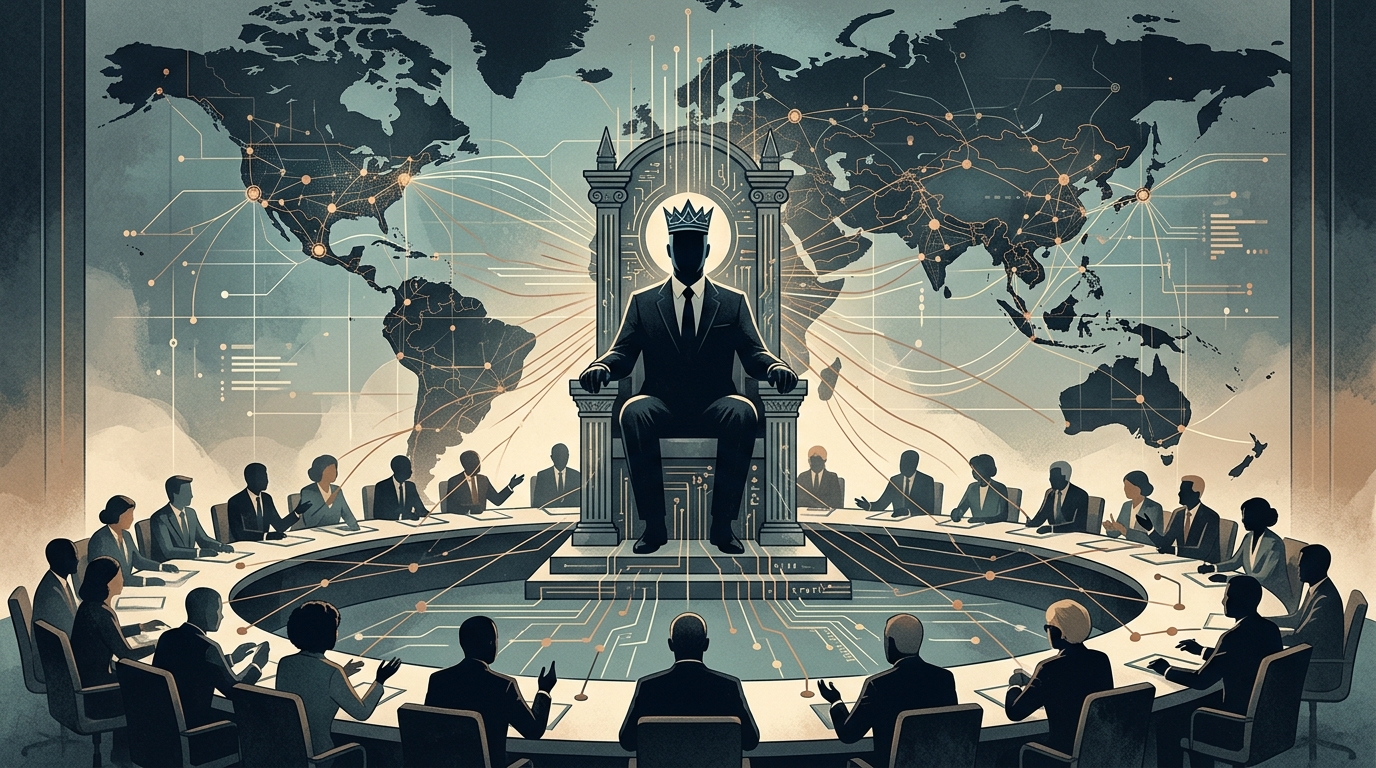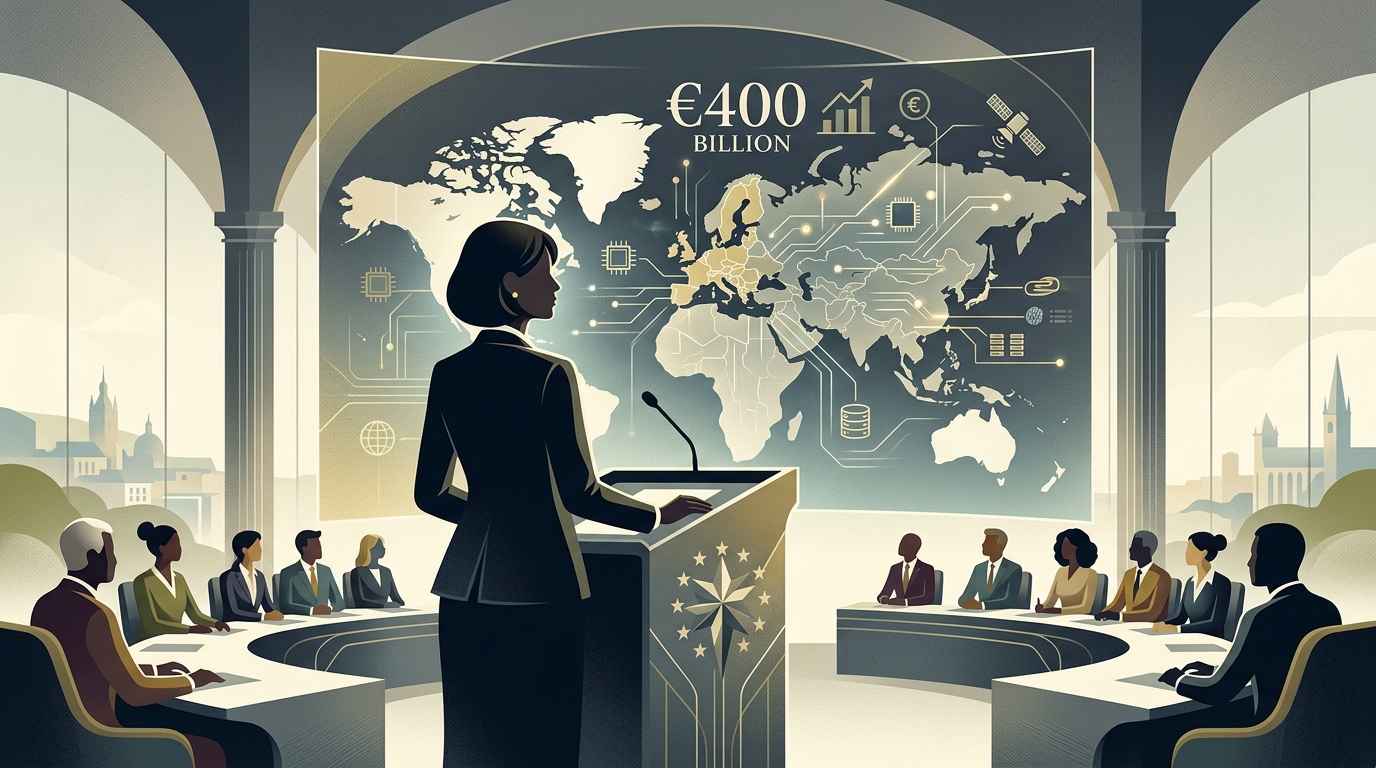
In the corridors of Brussels, the atmosphere is no longer just concerned; it is urgent. European Commission President Ursula von der Leyen recently outlined the framework of an ambitious plan aimed at redrawing the technological map of the Old Continent. With a package totaling approximately €400 billion, the EU seeks to bridge the chasm separating it from the US and China, focusing on two critical pillars: semiconductors (chips) and cloud infrastructure.
The Strategy of 'Technological Sovereignty'
Europe has realized, perhaps belatedly, that dependence on foreign powers for microchip supplies is an Achilles' heel for its security and economy. The new plan is not just about subsidizing factories; it is about creating a comprehensive ecosystem. Von der Leyen, influenced by Mario Draghi’s report on European competitiveness, proposes a 'Semiconductor Union' that transcends national borders. The goal is to double the EU's share of the global semiconductor market to 20% by 2030.
To achieve this, the Commission is leaning toward an aggressive incentive policy for giants like ASML, STMicroelectronics, and Infineon. However, the challenge remains funding. The €400 billion will not come exclusively from the EU budget but from a combination of public funds, national capital, and, crucially, private investment mobilized through guarantees and tax incentives.
Cloud and Data: The European Fortress
Alongside hardware, the EU is turning its attention to software and data. The dominance of American hyperscalers (Amazon, Microsoft, Google) in the cloud market is now viewed as a geopolitical risk. The plan envisions the creation of a 'European Cloud and AI Infrastructure,' which will allow European businesses to train AI models in environments that guarantee data protection and compliance with European law.
- Strengthening the IPCEI (Important Projects of Common European Interest) program for next-generation cloud.
- Creating supercomputing hubs accessible to startups.
- Establishing common interoperability standards to avoid vendor lock-in.
Geopolitical Balances and the 'Ghost' of Protectionism
This move by the EU does not occur in a vacuum. The escalating trade war between Washington and Beijing is forcing Europe to choose: either become a passive consumer of technology or a dominant player. Von der Leyen argues that Europe must develop its own 'economic security,' reducing unilateral dependencies. However, there is a risk that these moves could be perceived as protectionism, causing friction with traditional allies across the Atlantic.
"Technological sovereignty is not a luxury; it is a prerequisite for the survival of our democracy in the digital age," the Commission President stated during a meeting with industry CEOs.
Challenges of Implementation
Despite the grand announcements, the path is strewn with obstacles. The first major hurdle is energy costs. Semiconductor production is extremely energy-intensive, and with energy prices in Europe remaining high compared to the US, the competitiveness of European fabs is called into question. Furthermore, there is a shortage of specialized talent. The EU needs hundreds of thousands of engineers and data scientists to support this transition, at a time when many young scientists continue to migrate to the US for better pay.
Finally, Brussels' bureaucracy remains a slowing factor. While developments in AI move at the speed of light, funding approval processes in the EU often take years. If Europe truly wants to compete, it must learn to move at the speed of Silicon Valley while maintaining its values of social protection and human rights.