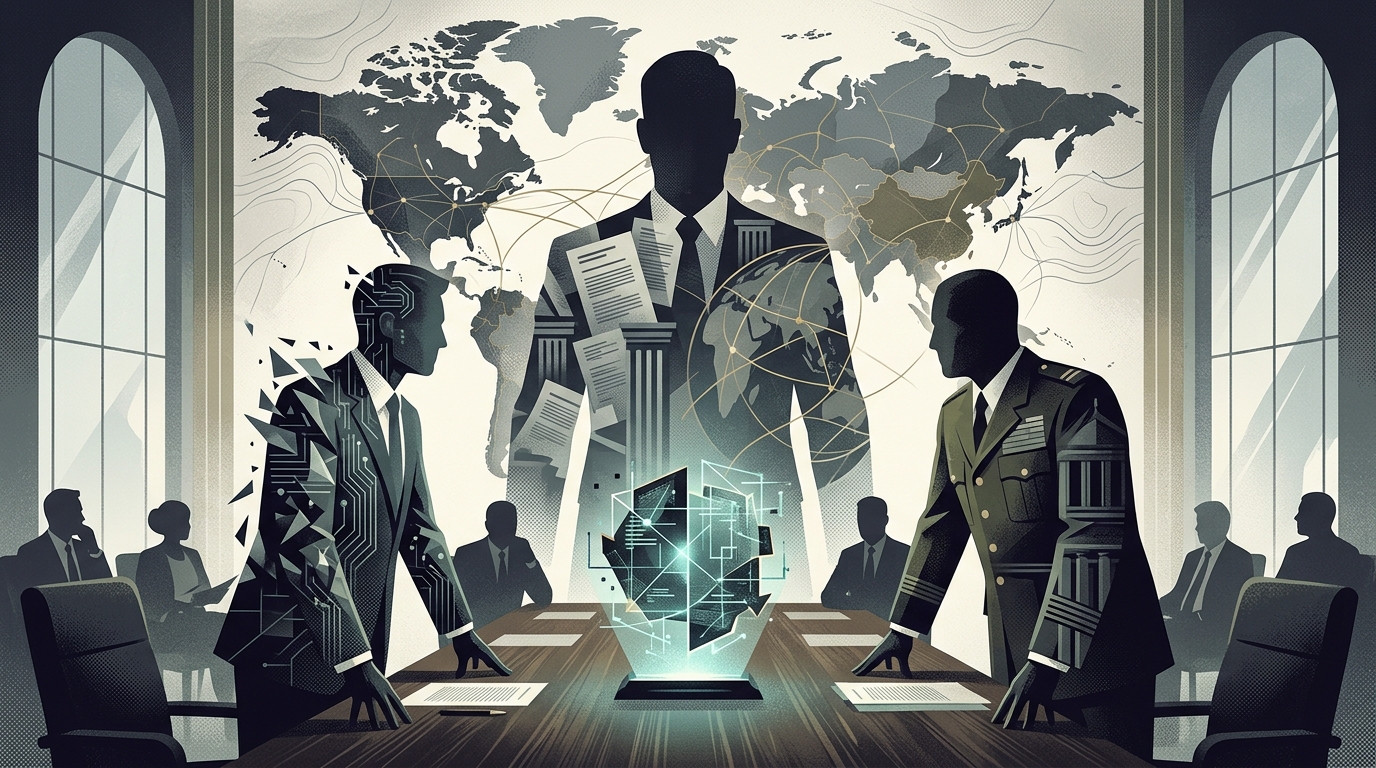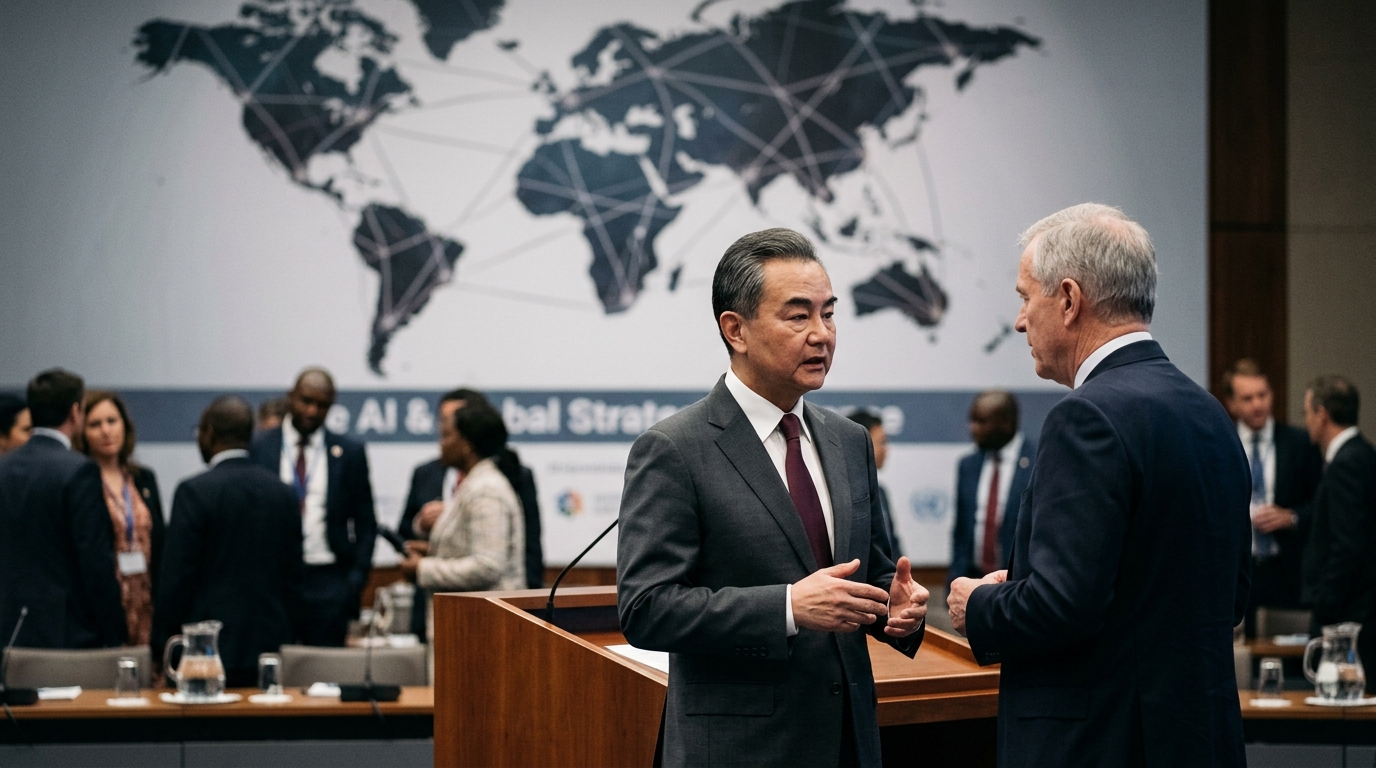
In the corridors of Zhongguancun’s tech parks, often dubbed the “Silicon Valley of China,” the air is thick with ambition and urgency. This is no longer a battle for social media dominance or e-commerce market share; the new frontline is Artificial Intelligence (AI), and the stakes are existential. As the United States tightens export controls on advanced semiconductors, Chinese tech giants like ByteDance, Alibaba, Tencent, and Baidu are pivoting to the only resource that cannot be sanctioned: human capital.
The ByteDance Aggression
ByteDance, the parent company of TikTok, has emerged as the most predatory recruiter in this new cycle. According to industry insiders, the company is offering compensation packages that frequently double or triple those of its domestic rivals. But ByteDance’s ambitions are not confined to China. With research hubs in Singapore, London, and the U.S., it is systematically poaching talent from OpenAI, Google DeepMind, and Meta. For ByteDance, this is about survival. Maintaining the world’s most sophisticated recommendation algorithms and developing Large Language Models (LLMs) that can rival GPT-4 is a top-tier priority.
- Annual salary packages exceeding $1 million for top-tier AI researchers.
- A shift away from the grueling "996" work culture to attract Western-educated talent.
- Unprecedented access to vast data silos generated by TikTok and Douyin’s global user base.
Geopolitics and the Chip Constraint
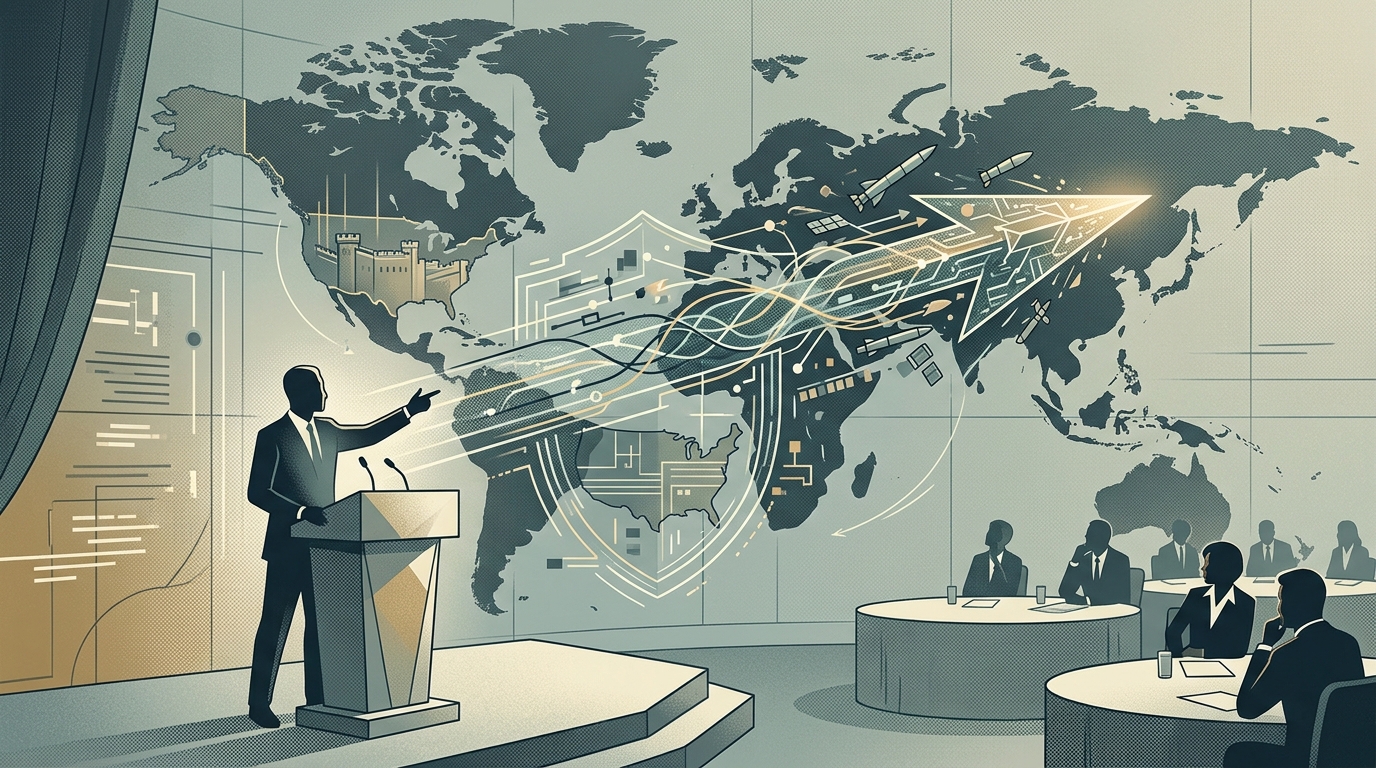
The intensity of this talent hunt is a direct consequence of geopolitical friction. The Biden administration’s restrictions on NVIDIA’s H100 and A100 GPUs have created a computational deficit in China. Chinese firms have realized that if they cannot match the raw processing power of the West, they must compensate through algorithmic efficiency. This requires researchers who can do "more with less"—scientists capable of optimizing model training on less powerful hardware. Consequently, experts in software optimization and neural network architecture have become the most sought-after assets in the Chinese market.
"In China, talent is the new oil. Without the right minds, even the most advanced chips are just expensive pieces of silicon," says a Shanghai-based technology analyst.
The 'AI Tigers' and Domestic Friction
Beyond the established giants, a new generation of startups, known as China’s "AI Tigers" (including Moonshot AI, MiniMax, and Zhipu AI), are attracting massive venture capital and elite personnel. These startups offer something that bureaucratic giants like Baidu often lack: the allure of building a foundational company from the ground up. The battle for talent is no longer just a China-vs-US narrative; it is an internal civil war within the Chinese ecosystem. The "Sea Turtles" (haigui)—Chinese researchers returning from overseas—find themselves at the center of this bidding war, bringing back critical knowledge from the world’s leading academic institutions.
Outlook: Can Talent Bridge the Gap?
The outcome of this talent war will determine whether China can meet its goal of technological self-reliance by 2030. While the U.S. currently leads in foundational research, China remains unparalleled in the application and scaling of technology. The ability of Chinese firms to absorb and utilize human capital will be the deciding factor in whether the "Silicon Curtain" effectively isolates China or if innovation finds a way to transcend geopolitical barriers. The next decade of AI progress will be written not just in code, but in the career choices of a few thousand elite researchers.