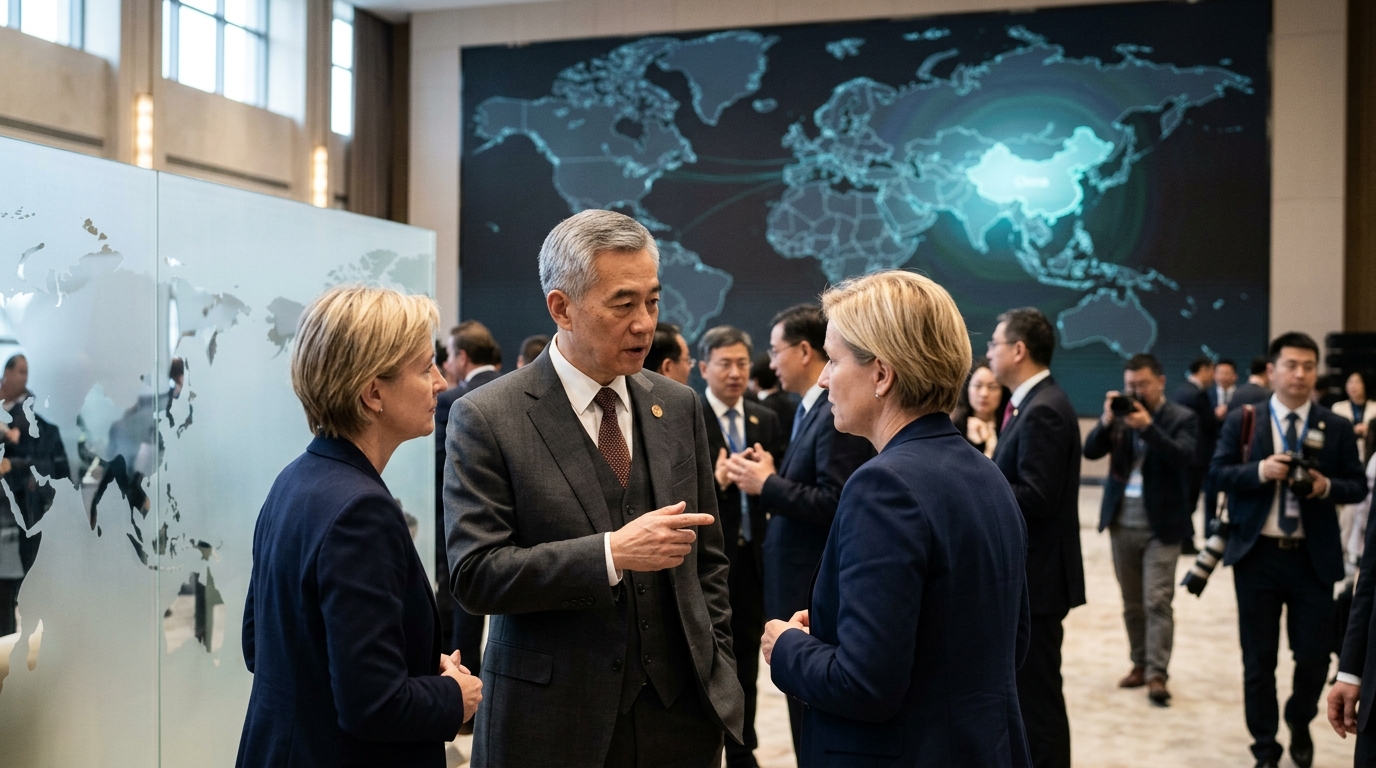
As we navigate the first half of 2026, the global economic chessboard is undergoing a structural shift that few analysts predicted with such precision two years ago. China, faced with challenges in its real estate sector and mounting demographic pressures, has chosen to bet everything on one card: Artificial Intelligence (AI). What began as a quest for technological self-reliance has evolved into an aggressive export strategy that is not only boosting the country’s GDP but also serving as a bulwark against the depreciation of the Chinese Yuan (CNY).
The Transformation of the Export Model
For decades, "Made in China" was synonymous with mass, low-cost production. Today, that image is a relic of the past. The investment boom in AI has allowed for the integration of advanced algorithms into every facet of production. From autonomous electric vehicles (EVs) that now dominate markets in Southeast Asia and Europe to intelligent supply chain management systems, China is now exporting "intelligence" rather than just material goods.
Chinese giants such as Huawei, Baidu, and Alibaba have developed specialized AI models tailored for heavy industry. This has led to an impressive surge in productivity, allowing Chinese firms to maintain competitive pricing despite rising labor costs. Exports of high-tech products—incorporating cutting-edge technologies like computer vision and predictive maintenance—have grown by 22% year-on-year, providing a critical source of foreign exchange.
The Yuan and Monetary Fortification
Concerns over the weakening of the Yuan against the Dollar were the dominant theme in markets throughout 2024 and 2025. However, the current AI boom has reversed the tide. Demand for Chinese technology either requires payments in Yuan or creates trade surpluses that anchor the national currency. Furthermore, the influx of foreign capital seeking positions in the Chinese AI ecosystem—despite US-led restrictions—has created a steady floor of demand for the currency.
The People’s Bank of China (PBoC) is leveraging this momentum to promote the digital Yuan (e-CNY) in international transactions, particularly within the framework of the "Digital Silk Road." When a nation in Latin America or Africa adopts Chinese smart city systems, it often becomes locked into an ecosystem that favors the Chinese currency, reducing reliance on the US Dollar and bolstering Beijing's monetary sovereignty.
Geopolitical Challenges and the Semiconductor War
Of course, this path is not without obstacles. US sanctions on access to advanced semiconductors (chips) remain the most significant hurdle. However, 2026 finds China having made substantial progress in domestic production of 7nm and 5nm chips through alternative lithography methods and advanced packaging techniques. Necessity became the mother of invention, and China has now developed a parallel technological universe.
Washington watches with concern as China uses AI not only for economic purposes but also to enhance its soft power. By offering affordable AI solutions to the Global South, Beijing is building alliances based on technological dependency. This creates a new kind of bipolarity, where the world is divided not just by ideologies, but by the AI protocols and standards it adopts.
Conclusion: A New Era
The AI investment boom is not a mere bubble for China; it is a strategic choice for survival and dominance. As Beijing moves away from the model of growth fueled by debt and real estate, Artificial Intelligence provides the necessary impetus to maintain social stability and international influence. For investors and political leaders in the West, the message is clear: China is not just trying to catch up with the West in AI—it is trying to redefine the terms of global trade through it.