Great Britain, in an attempt to preserve its geopolitical relevance in a rapidly shifting world, finds itself at the center of a heated controversy regarding its new defense doctrine. The UK Ministry of Defence (MoD) is pushing an ambitious, albeit highly contentious, plan for the full integration of Artificial Intelligence (AI) across every level of military operations: from logistics and intelligence analysis to the front lines through the use of autonomous systems.
This strategy, described by many as the British Army's "digital revolution," aims not only for efficiency but for survival in an environment where the speed of decision-making exceeds human processing capacity. However, the lack of clear legal frameworks and the ethical risks inherent in delegating life-and-death decisions to algorithms have sparked a firestorm of criticism from human rights organizations and the scientific community.
The Strategic Imperative of "Hyperwar"
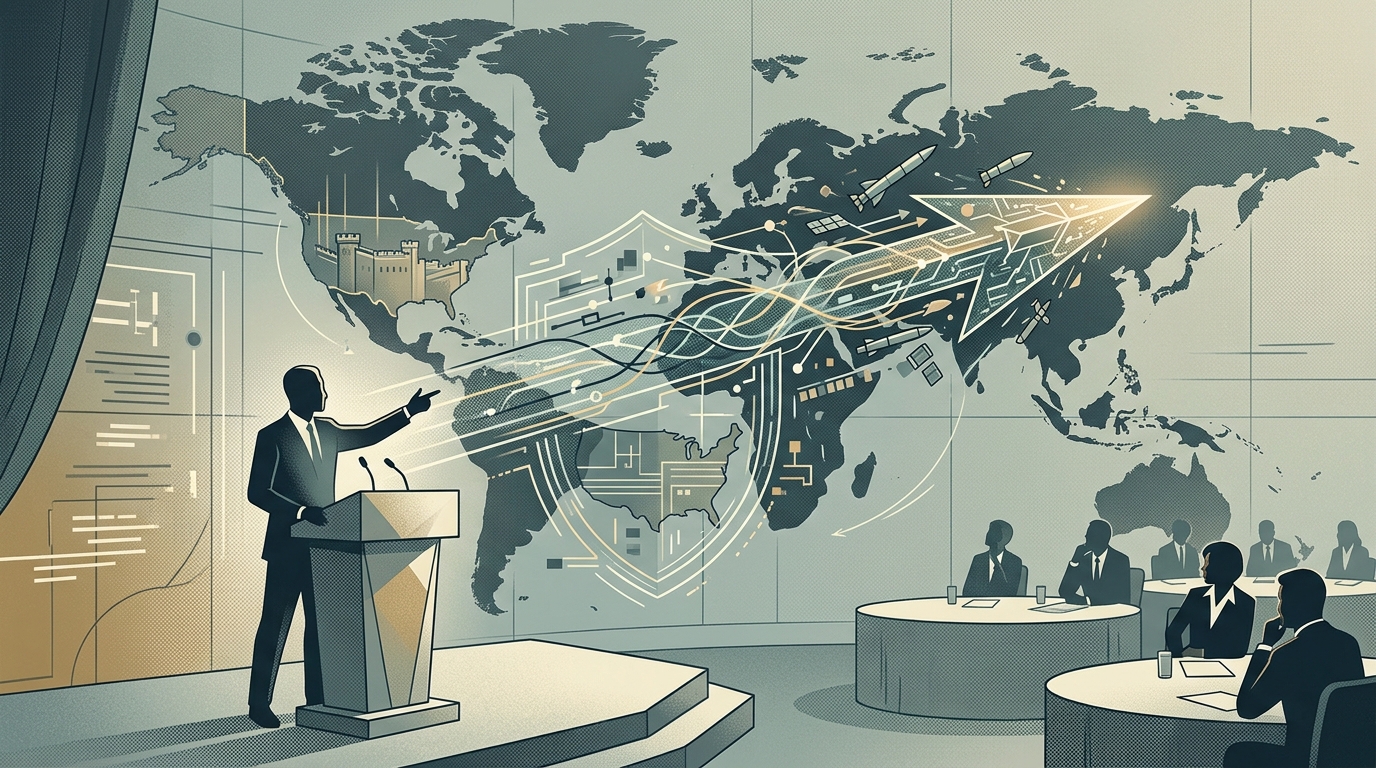
For the strategists at Whitehall, adopting AI is not a choice but a necessity. In a world where China and Russia are investing billions in autonomous technologies, London fears that any delay will render British forces obsolete. The concept of "Hyperwar," where conflicts unfold at millisecond speeds, requires systems that can identify targets and neutralize threats without the traditional latency of human approval.
The plan envisions a "digital backbone" connecting drones, armored vehicles, and soldiers into a single data network. AI will act as a "virtual chief of staff," filtering vast amounts of information from satellites and sensors to suggest the best tactical move. Proponents argue this will reduce civilian casualties through more precise targeting, but critics warn of the "black box" phenomenon, where the system's decisions are impossible to explain or challenge.
The Ethical Minefield and Accountability
The most thorny issue remains the use of Lethal Autonomous Weapon Systems (LAWS). Despite British government assurances that there will always be a "human-in-the-loop," the technical specifications of new systems suggest a gradual slide toward "human-on-the-loop," where a soldier merely supervises a process that moves too quickly to interrupt.
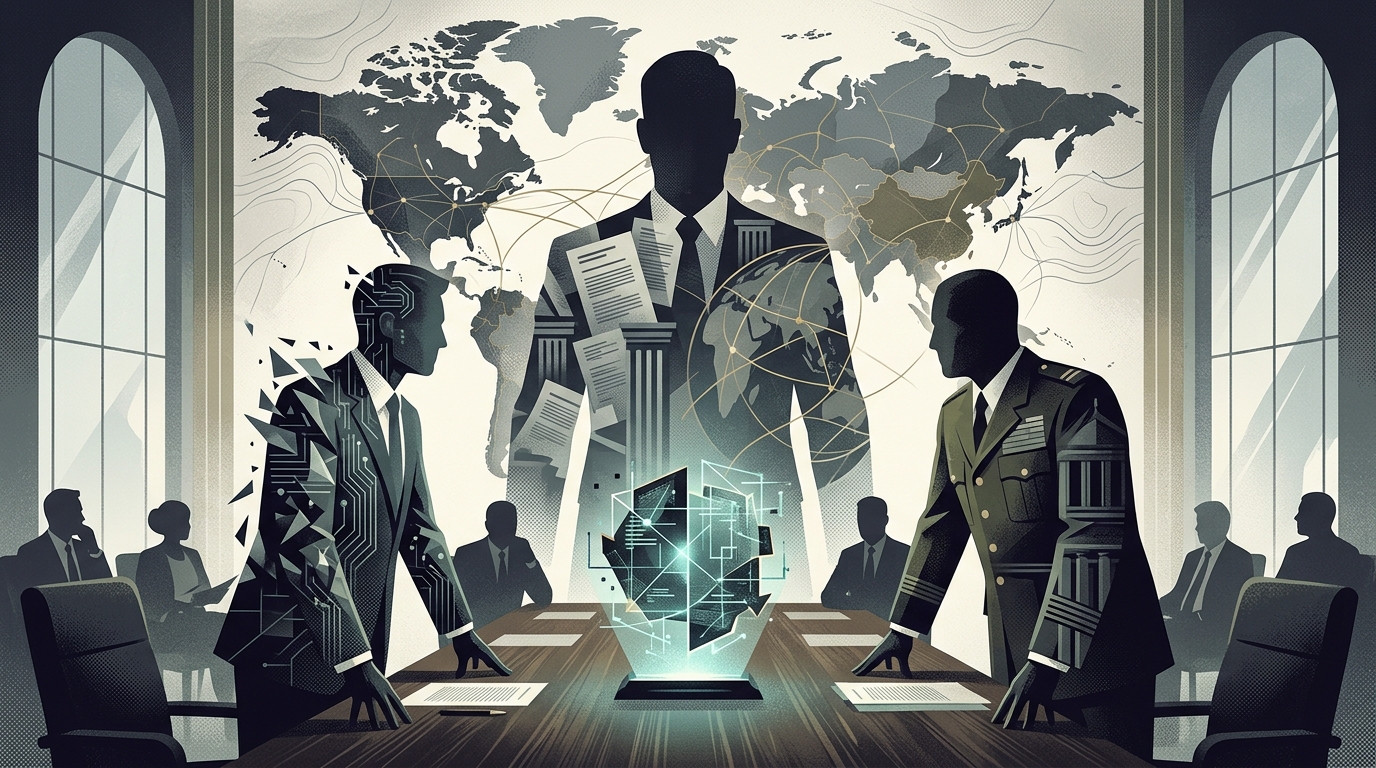
- Accountability: Who is responsible for a war crime committed by an algorithm? The programmer, the commander, or the company that built the software?
- Data Bias: Algorithms are trained on historical data that may contain racial or cultural biases, leading to the misidentification of enemies.
- Escalation: The ease of using autonomous weapons may lower the threshold for starting a military conflict, as the immediate risk to the attacker's personnel is reduced.
"Delegating the authority to kill to machines is a moral transgression we cannot undo. The British Army risks losing its humanity in the name of technological superiority," says a spokesperson for the Stop Killer Robots campaign.
Geopolitical Implications and the NATO Context
The British initiative does not exist in a vacuum. It is part of a broader NATO effort to set standards for the "responsible use" of AI. However, there is a stark asymmetry. While Western democracies are bound (theoretically) by ethical rules, their adversaries may face no such constraints. This creates a security dilemma: if Britain limits the autonomy of its weapons for ethical reasons, does it risk defeat by an opponent who does not?
Furthermore, the reliance on Big Tech companies to provide the necessary AI infrastructure raises questions about national sovereignty. When the military relies on code owned by private Silicon Valley giants, the lines between public defense and private profit become dangerously blurred. London is attempting to foster a domestic defense-tech industry, but the path is long and financially arduous.
In conclusion, the British Army's AI plan is a leap forward into the unknown. It promises a military that is smarter, faster, and more efficient, but the cost of this evolution may be the very moral foundation upon which Western civilization rests. The debate ignited in London is only the beginning of a global identity crisis for humanity and the way it chooses to conduct its conflicts in the 21st century.