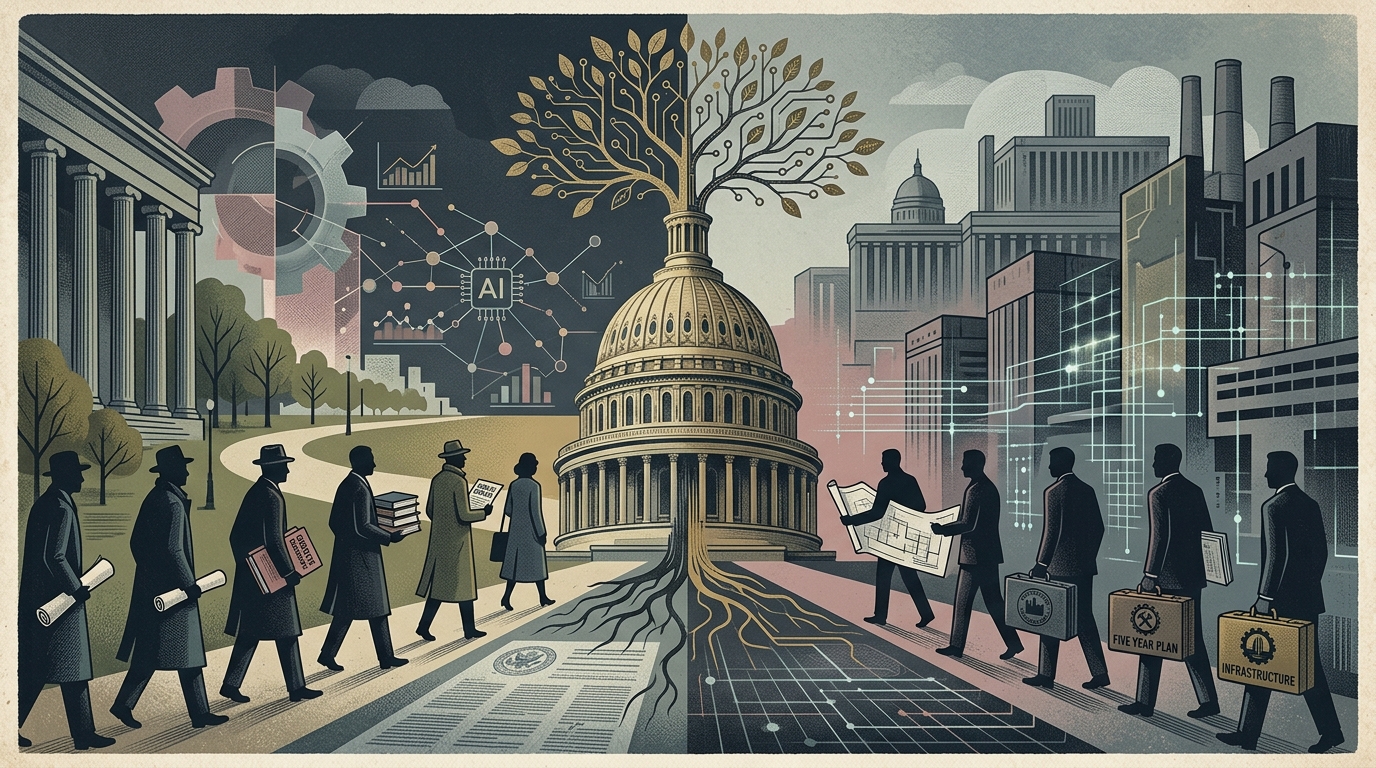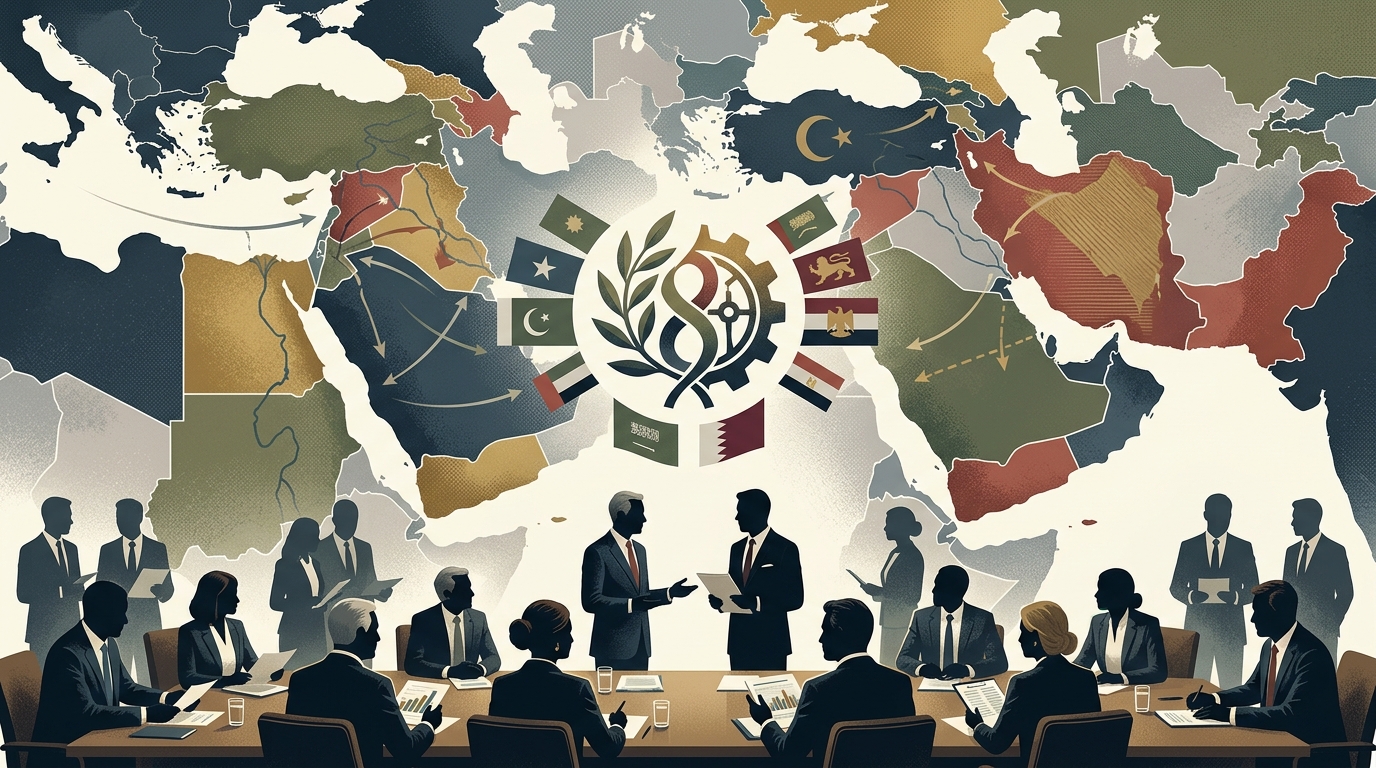
The Middle East of 2026 bears little resemblance to the region we knew a decade ago. The recent visit of Pakistani officials to Tehran represents the latest chapter in a long and complex process of strategic realignment. In a world moving beyond absolute Western hegemony, regional powers are seeking their own solutions to problems that remained unresolved for decades, forging new alliances that upend traditional balances of power.
Tehran’s Diplomatic Counter-Offensive and the Ten-Party Framework
Iran, despite ongoing pressures and sanctions, appears to be adopting a more extroverted and multilateral diplomatic approach. The so-called "ten-party negotiation framework" is not merely an attempt to resolve the nuclear issue, but a broader security architecture involving neighbors and strategic partners from Central Asia to the Gulf. Tehran realizes that its security can no longer rely solely on deterrence through its proxies; it requires institutional recognition of its role in the region.
Pakistan's involvement in this process is of pivotal importance. Islamabad, which has traditionally balanced between Saudi Arabia and Iran, now appears to be functioning as a "bridge." The need for energy security and the management of terrorism on their shared borders in Balochistan are pushing the two nations toward a forced but sincere cooperation. This approach suggests that geography is beginning to prevail over ideology.
The Shift from Conflict to Strategic Hedging
For decades, the Middle East was defined by the competition between the Shiite and Sunni axes. However, in 2026, we are witnessing the rise of "strategic hedging." Countries like the United Arab Emirates and Saudi Arabia are investing in multiple fronts, maintaining ties with the US while simultaneously deepening economic relations with China and engaging in regional dialogues with Iran. A ceasefire, therefore, is not always the result of peace, but a necessity for economic survival and growth.
- The increasing influence of BRICS+ in the region, offering alternative financing sources.
- War fatigue from proxy conflicts in Yemen and Syria, which drain national resources.
- The necessity for joint management of climate challenges, such as water scarcity, which knows no borders.
This new reality creates a paradox: while armament continues at an unabated pace, diplomatic channels are more open than ever. Regional leaders seem to have concluded that an all-out conflict would be catastrophic for their ambitious economic transformation visions (such as Saudi Arabia's Vision 2030).
Challenges and the Specter of Escalation
Despite the diplomatic momentum, risks remain palpable. The Palestinian issue remains the "open wound" that can ignite a broader conflagration at any moment, dragging in even those countries seeking normalization. Instability in Lebanon and the actions of non-state actors continue to be unpredictable factors that can overturn any diplomatic effort within hours.
"Peace in the Middle East is not a static state, but a dynamic equilibrium that requires daily maintenance," says a senior diplomat in Tehran.
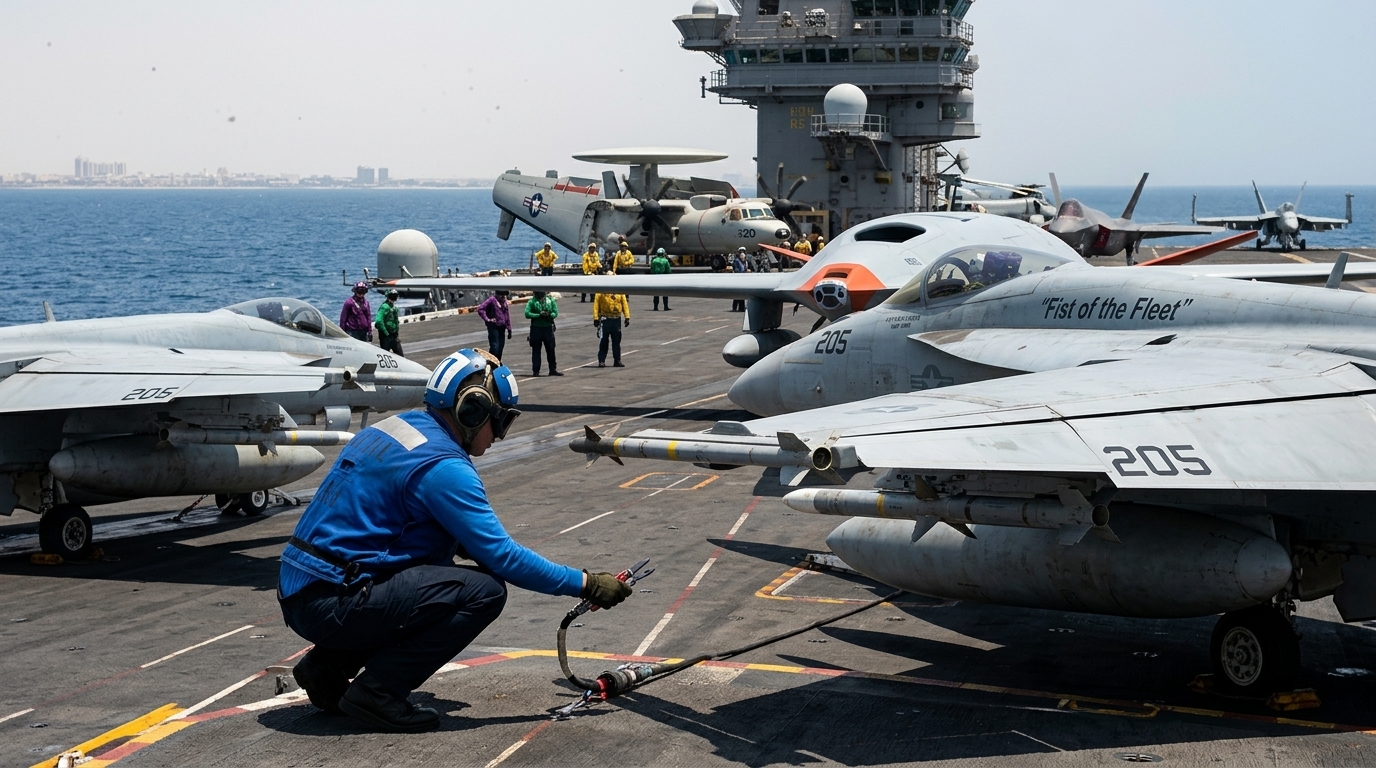
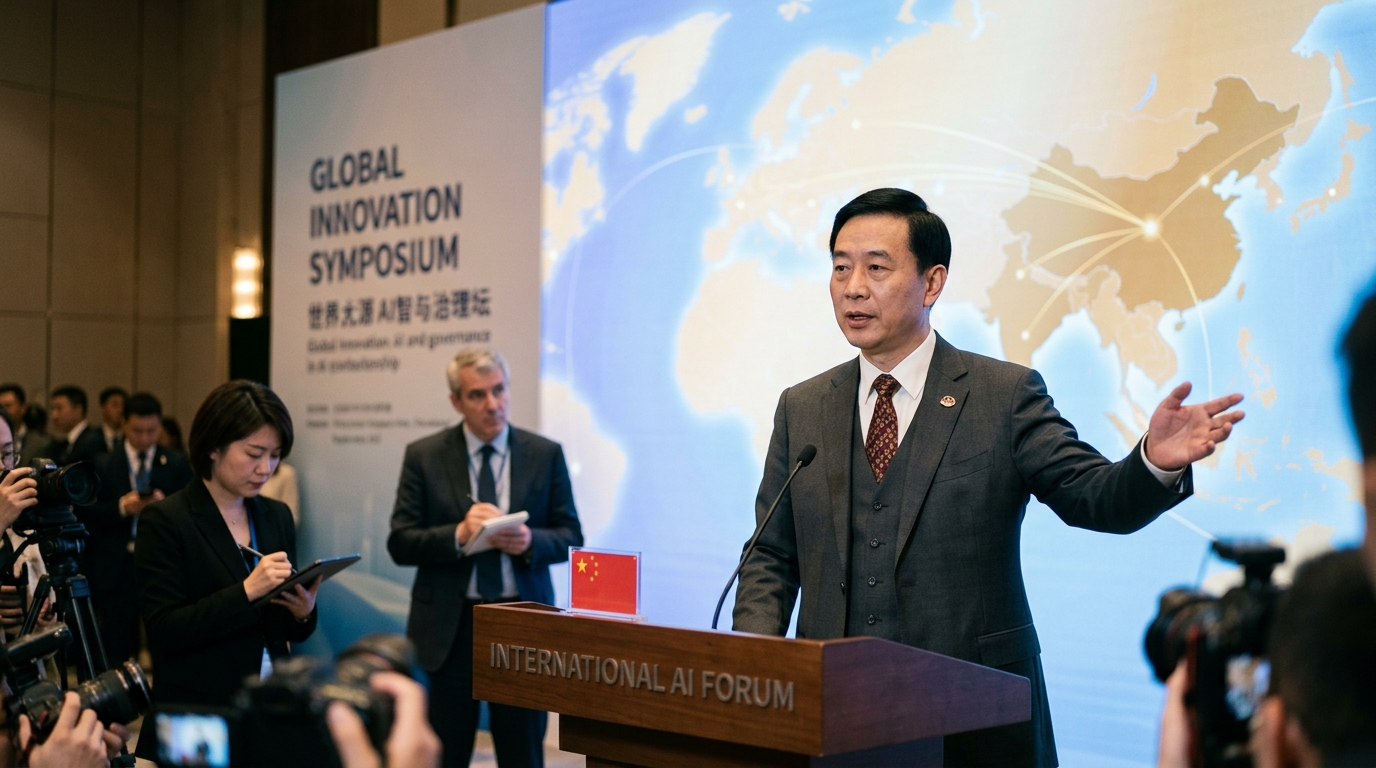
Furthermore, the role of external powers remains ambiguous. While China promotes stability to secure its trade routes, the US appears torn between its desire to withdraw militarily and its need to maintain influence against its rivals. This power vacuum is what regional players are attempting to fill, often with unpredictable results.
Conclusion: A New Regional Order?
The strategic realignment we observe today is not a temporary tactic but the search for a new regional order. The Pakistani visit to Tehran is a symptom of a broader shift where cooperation is dictated by realism rather than shared values. The question that remains for the rest of 2026 is whether these fragile bonds will withstand the pressure of internal nationalisms and external interventions. The Middle East is on a trajectory where ceasefire is the tool and escalation is the constant danger.