Manama, the capital of Bahrain, finds itself once again at the heart of the geopolitical storm sweeping the Persian Gulf. The kingdom’s Ministry of Interior announced on Saturday the arrest of dozens of individuals accused of participating in terrorist cells directly guided and funded by Iran’s Islamic Revolutionary Guard Corps (IRGC). This move, while presented as a necessary measure to ensure national sovereignty, brings back to the fore the deep rift between the Sunni Al Khalifa monarchy and the country’s Shia majority population, at a time when regional security hangs by a thread.
The Strategic Anchor: Bahrain and the Fifth Fleet
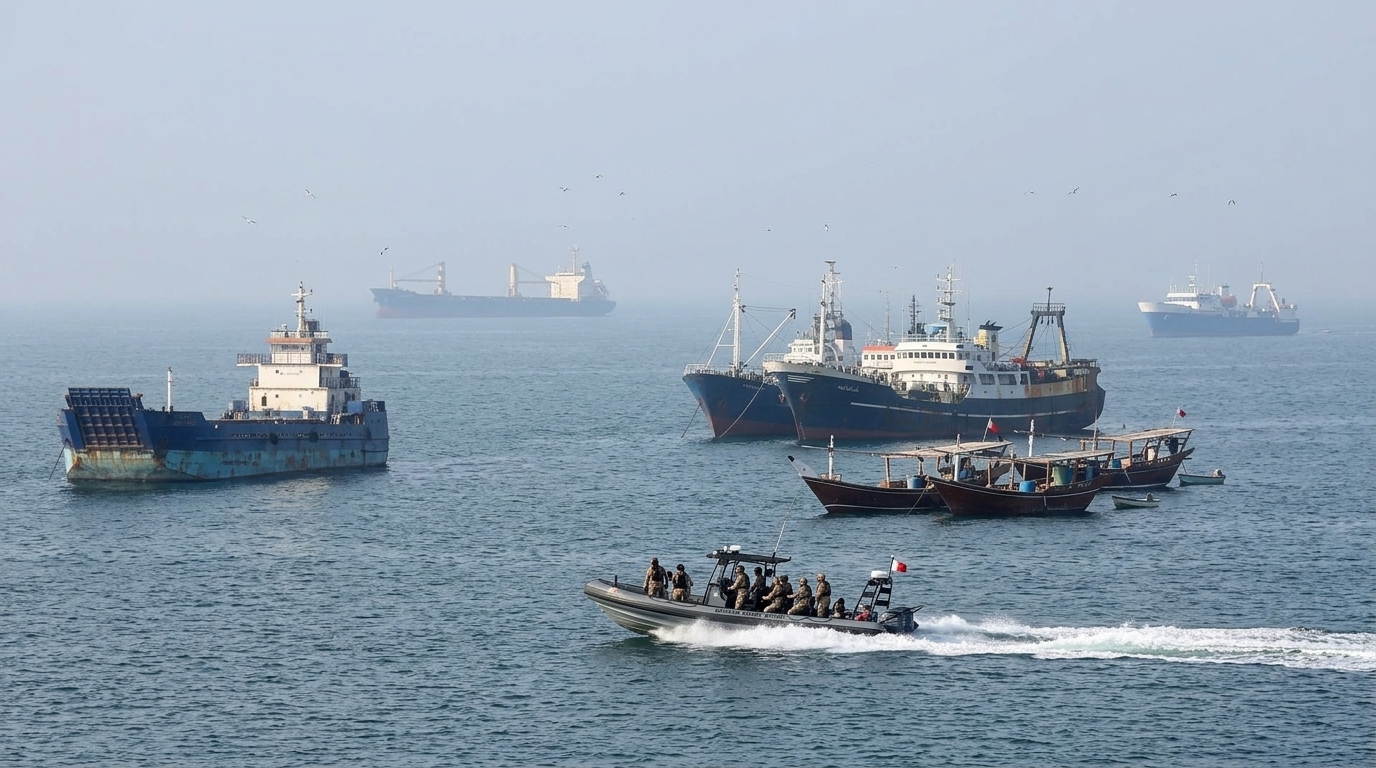
For Washington, Bahrain is not just an ally; it is the anchor of American power in the Middle East. Hosting the headquarters of the U.S. Navy’s Fifth Fleet, this small island nation serves as the central hub for monitoring maritime routes through which one-fifth of the world’s oil passes. Bahrain’s security is directly tied to the U.S. capacity to project power against Tehran and protect the freedom of navigation in the Strait of Hormuz.
The recent arrests come at a time when U.S.-Iran relations are at a breaking point. The charges leveled by Manama state that the detainees planned attacks on vital infrastructure and security personnel using weapons and explosives smuggled from Iran. However, the timing raises questions. Analysts point out that whenever tensions between Washington and Tehran escalate, Bahrain tends to tighten its domestic policy, equating domestic opposition with the Iranian threat.
The Shadow of Dissent and Human Rights
International human rights organizations, such as Amnesty International and Human Rights Watch, immediately expressed their reservations. According to their reports, Bahrain has a long history of using "anti-terrorism legislation" to silence peaceful activists and political opponents. Since the 2011 "Arab Spring" uprising, which was violently suppressed with the assistance of Saudi troops, the government has dissolved all major opposition parties, imprisoned hundreds, and stripped dozens of citizens of their nationality.
"Invoking the Iranian threat is the monarchy's permanent alibi to avoid democratic reforms," says a representative of a regional human rights group. "While Iranian interference is a real factor, the horizontal targeting of the Shia community as a fifth column for Tehran undermines social cohesion and creates the ground for future radicalization."
The detainees, according to authorities, had been trained in IRGC camps in Iran and Iraq. The charges include the creation of "sleeper cells" waiting for orders to act. Nevertheless, the lack of transparency in Bahrain’s judicial processes and allegations of torture during interrogations cast a heavy shadow over the credibility of official announcements.
Geopolitical Implications and the Western Stance
The stance of the West, particularly the U.S. and the U.K., remains cautious. On one hand, the need for stability in a volatile region makes Bahrain an indispensable partner. On the other, the ongoing crackdown embarrasses governments that proclaim the defense of democratic values. The U.S. government, while occasionally expressing concerns over human rights, rarely exerts meaningful pressure on Manama, fearing that a destabilization of the monarchy would open the door to Tehran’s influence.
Iran, for its part, consistently denies accusations of meddling in Bahrain’s internal affairs, speaking of "fabricated scenarios" designed to distract from the kingdom’s internal problems. However, Tehran’s rhetoric, which often presents itself as the protector of Shias worldwide, feeds the fears of Manama and its Gulf allies.
Conclusion: A Fragile Status Quo
Bahrain remains a microcosm of the grand conflicts of the Middle East. The rivalry between Saudi Arabia and Iran, the American military presence, and the demand for political representation collide on an island of just a few hundred square kilometers. The recent arrests may strengthen government control in the short term, but without a sincere effort toward national reconciliation, Bahrain risks remaining a powder keg ready to explode in the next regional crisis. The international community must recognize that stability based solely on suppression is false and, ultimately, dangerous for global security.