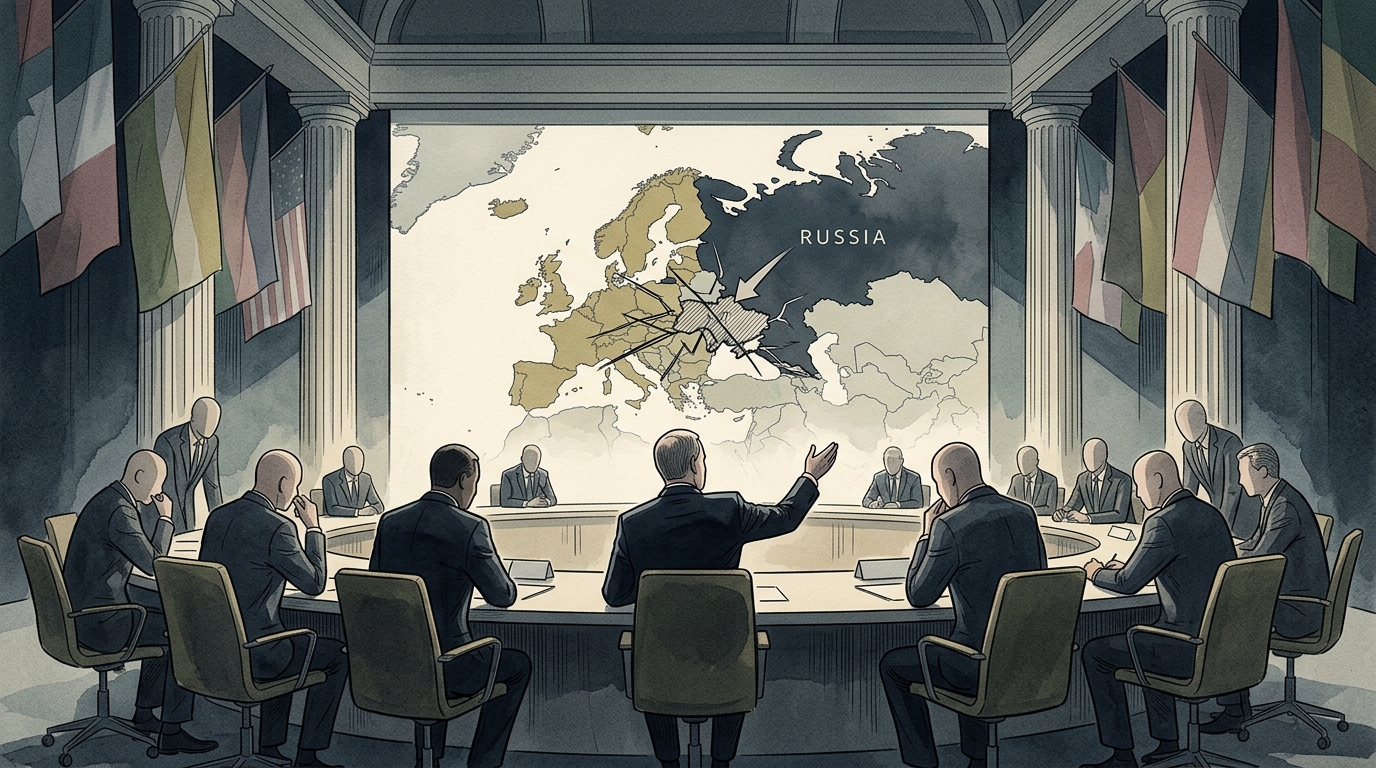
May 2026. The world watches with bated breath as developments on Europe's eastern borders take a potentially decisive turn. Russian President Vladimir Putin, in a rare display of optimism—or perhaps tactical maneuvering—has announced that the conflict in Ukraine is "reaching its end." This statement, delivered during a press briefing, is not merely an observation of the battlefield; it is a carefully calibrated political intervention targeting both a domestic Russian audience and Western capitals grappling with their own "war fatigue."
Anatomy of a Statement: Strategy or Necessity?
Putin's assessment that the issue is "reaching its conclusion" comes at a time when frontlines have remained relatively static for months, despite the deployment of advanced weaponry and the deep integration of artificial intelligence into military operations. Russia appears to have consolidated control over significant portions of the eastern provinces, but the cost in human lives and economic resources has become staggering even for the Kremlin. Analysts suggest this rhetoric serves to build a narrative of "victory" that would allow Moscow to enter potential negotiations from a position of perceived strength.
However, the concept of an "end" remains deeply subjective. For Moscow, the end implies the recognition of territorial gains and Ukrainian neutrality. For Kyiv, any solution that does not include the restoration of territorial integrity is viewed as a capitulation. Putin’s statement can thus be interpreted as an attempt to shift the blame for continued hostilities onto the West, presenting Russia as the party ready to "close" this chapter.
The Technological Dimension: The War of Algorithms in 2026
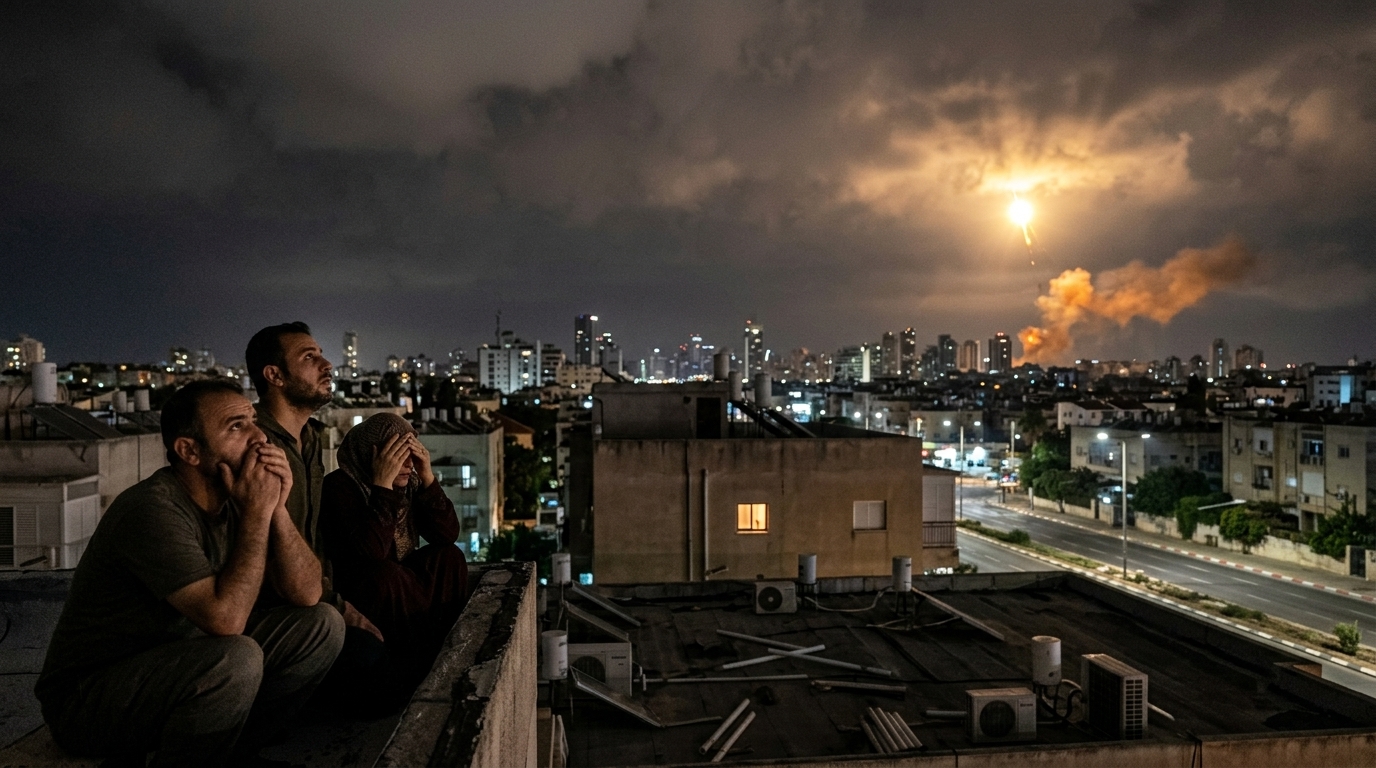
We cannot analyze the path toward the end of this war without considering the dramatic shift in the nature of combat. By 2026, the war in Ukraine has become the ultimate testing ground for autonomous warfare. AI-driven drone swarms have largely replaced traditional artillery in terms of precision and lethality. This technological balance of terror has led to a tactical stalemate: neither side can mass large forces without being immediately detected and neutralized by algorithmic targeting systems.
This "digital moat" is perhaps the real reason Putin senses an ending. When the cost of advancement becomes prohibitive due to the technological superiority of the defense, diplomacy ceases to be an option and becomes a necessity. Russia has invested billions in developing its own AI systems, trying to bridge the gap with Western technologies supplied to Ukraine, but material fatigue and the persistent shortage of semiconductors due to sanctions continue to act as a significant drag on their ambitions.
The West and 'Ukraine Fatigue'
The Russian President's statement is also aimed at a fractured Western camp. In the US and Europe, political voices calling for a limit on military aid have grown louder. With economies strained by inflation and the urgent needs of the green transition, the continued funding of a war with no clear end in sight has become a difficult political sell. Putin is betting on this exhaustion. By claiming the issue is ending, he offers an "out" to Western leaders looking for an excuse to scale back support and pressure Kyiv toward a compromise.
- Economic Pressure: While sanctions did not collapse the Russian economy, they have created structural issues that will take decades to heal.
- Demographic Toll: The loss of an entire generation of young men and the continued brain drain from Russia are undermining the country's long-term viability.
- Geopolitical Dependency: Moscow's increasing reliance on Beijing is causing concern within the Russian nationalist core, which fears becoming China's "junior partner."
"Peace is not merely the absence of war, but the presence of justice. An end based solely on exhaustion is merely a pause before the next tragedy."
The 'Korean Solution' Scenario
Many analysts in 2026 are comparing the situation in Ukraine to the Korean War of the 1950s. An end that does not involve a formal peace treaty, but rather a permanent ceasefire and a demilitarized zone. This scenario seems the most plausible, as neither side can achieve its maximum objectives. Putin, with his statement, may be preparing the ground for such an outcome, which he would present as a success, having secured a "buffer zone" against NATO.
The question remains: What becomes of Ukraine in this case? The reconstruction of the country will require trillions of dollars, and its integration into Western security structures will remain the central point of friction. If the "end" Putin envisions is a maimed Ukraine held in perpetual hostage, then his statement is not a harbinger of peace, but the beginning of a new, frozen conflict that will define the 21st century.