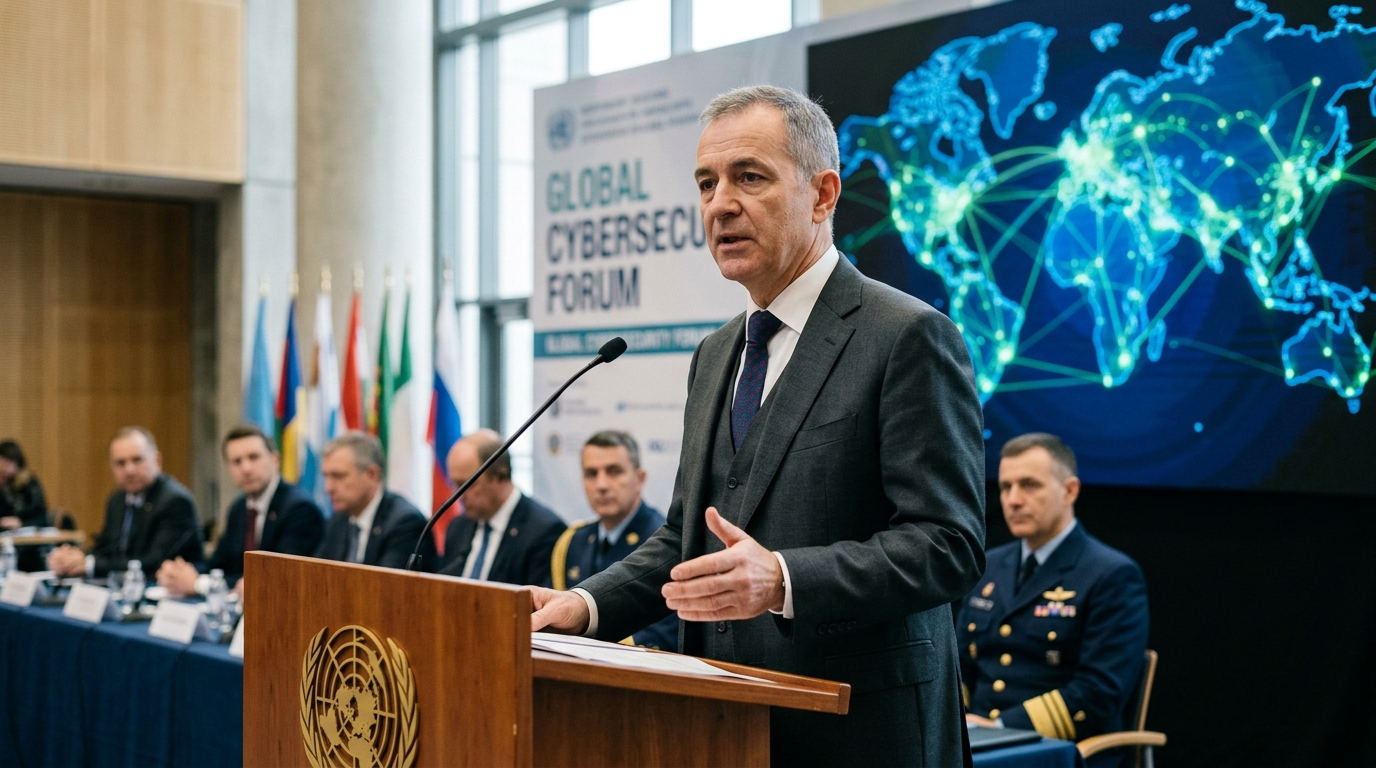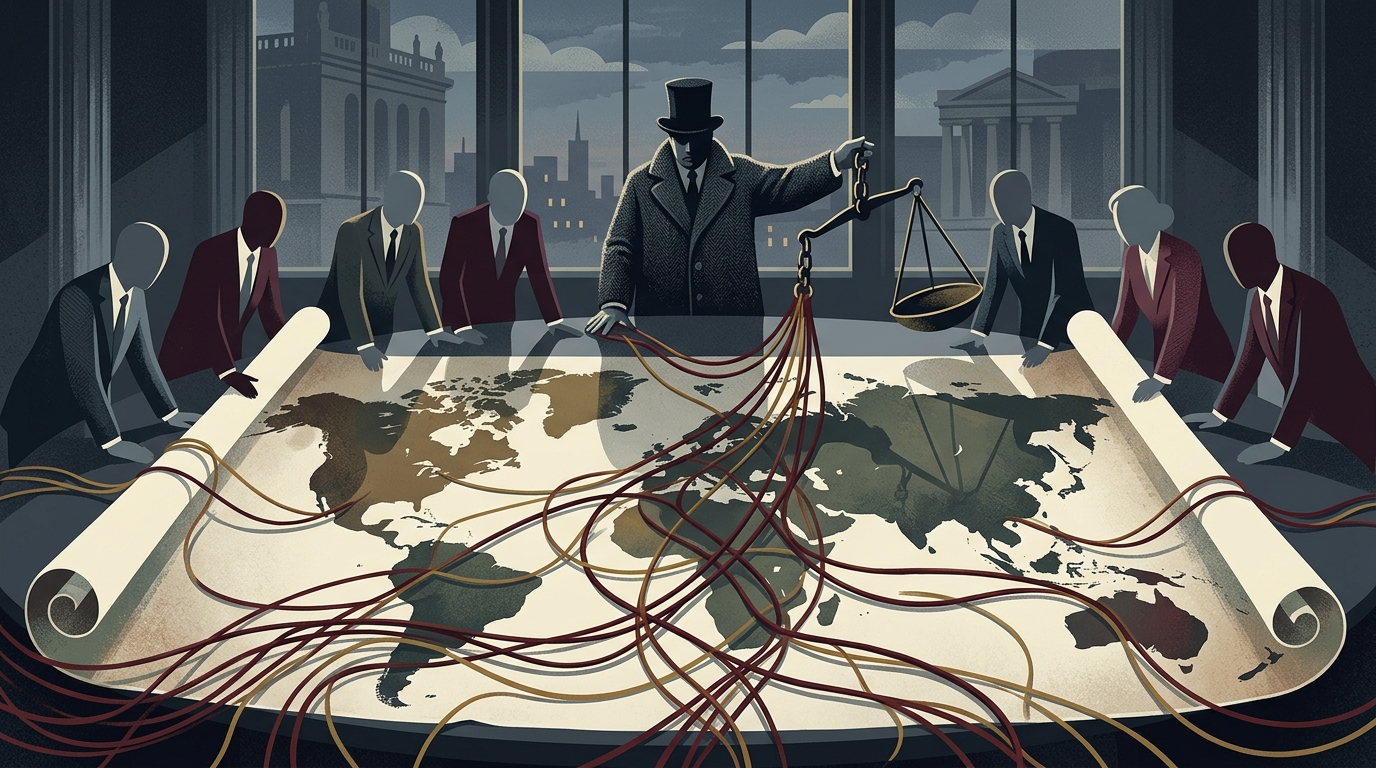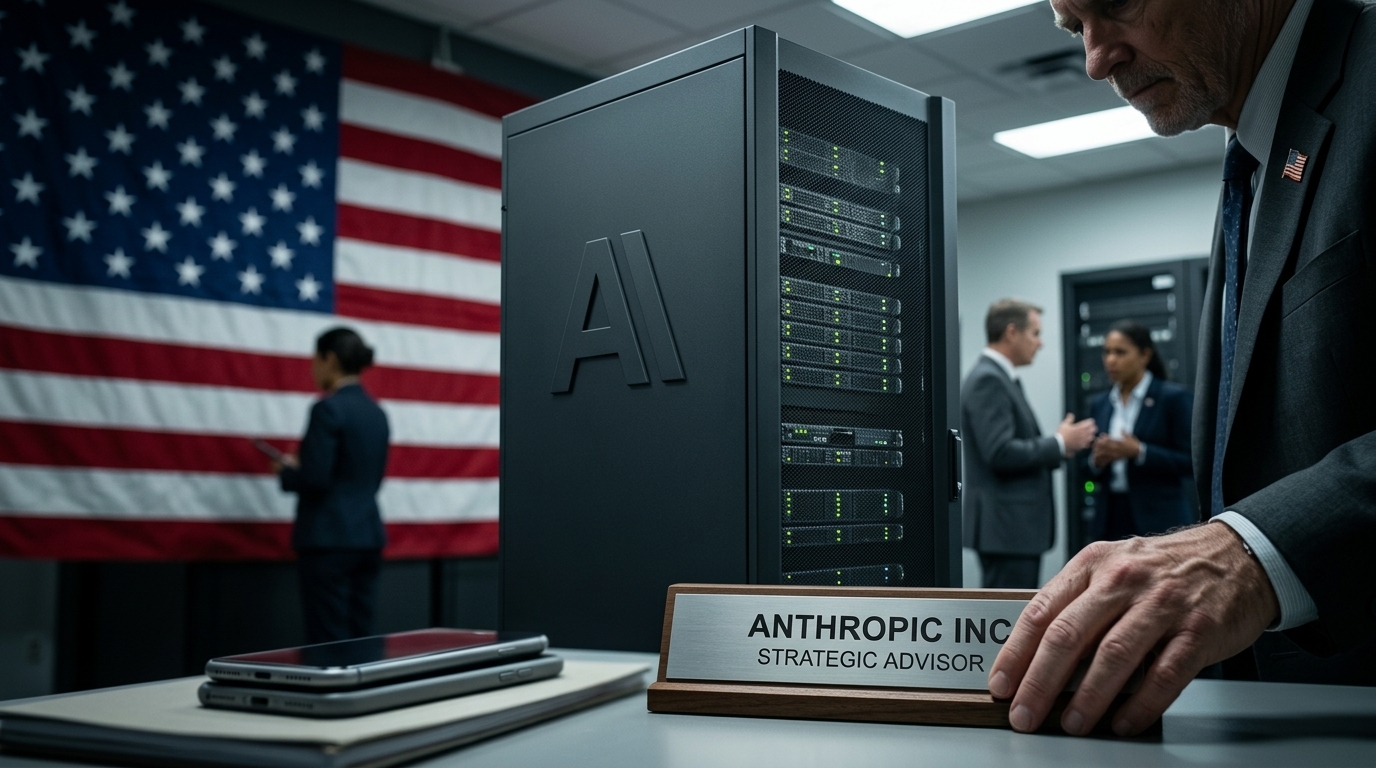
In the corridors of power in Washington, the conversation around Artificial Intelligence has long shifted from office productivity and image generation to national survival. Today, AI is viewed as the modern equivalent of the Manhattan Project, and Anthropic—the company founded by former OpenAI executives—is emerging as the Pentagon’s quietest yet most vital ally. While OpenAI dominates the headlines, Anthropic is earning the trust of the American state through an approach that prioritizes safety and alignment with democratic values.
Constitutional AI as a Strategic Asset
Anthropic’s primary differentiator is its "Constitutional AI" framework. Unlike other models that rely solely on human feedback to curb harmful responses, Anthropic’s Claude models are trained against a predefined set of principles—a "constitution"—that guides their decision-making. For the US government, this isn't just an ethical feature; it is a matter of national security.
In a world where China utilizes AI to bolster authoritarian control and social scoring, the US requires a system that is inherently resistant to manipulation and hallucinations. Anthropic’s ability to provide models that "know" their limits and refuse to violate fundamental principles makes them ideal for sensitive applications in intelligence and defense strategy. Avoiding the "black box" of unpredictable algorithmic behavior is the key to integrating AI into critical infrastructure.
The Race Against Beijing and the Big Tech Alliance
China, through giants like Baidu and Alibaba, as well as state-run research institutes, has made significant strides in developing Large Language Models (LLMs). However, the American response is built not just on raw compute, but on a robust ecosystem. Anthropic has secured multi-billion dollar investments from Amazon and Google, creating a formidable front that combines startup innovation with the cloud infrastructure of the giants.
- Cloud Sovereignty: Close collaboration with AWS and Google Cloud allows Anthropic to offer solutions that comply with the US government’s strictest security standards.
- Export Controls: Anthropic’s technology forms part of the "protective wall" preventing the leakage of critical expertise to Beijing, as the company strictly controls access to its core models.
- Talent Retention: The company’s ability to attract top-tier scientists concerned with AI ethics deprives China (and competitors) of critical human capital.
"The battle for AI supremacy will not be decided solely by who has the most GPUs, but by who can trust their systems the most," geopolitical analysts suggest.
Anthropic on the Geopolitical Chessboard
As we move into the latter half of the 2020s, Anthropic is no longer limited to providing a chatbot. It is actively involved in crisis simulations, strategic risk analysis, and the development of cyber-defense tools. The ability of Claude 3.5 and its successors to analyze vast amounts of data without being swayed by propaganda provides the US with an edge in information sovereignty.
Furthermore, Anthropic serves as a diplomatic tool. By promoting its safety standards globally, the US is attempting to set the rules of the game for the entire planet, forcing China to either comply with Western safety standards (which would limit the efficacy of its own authoritarian systems) or face technological isolation. In this context, Anthropic is far more than a successful business; it is an institutional player ensuring that technological superiority remains in the hands of democratic powers.