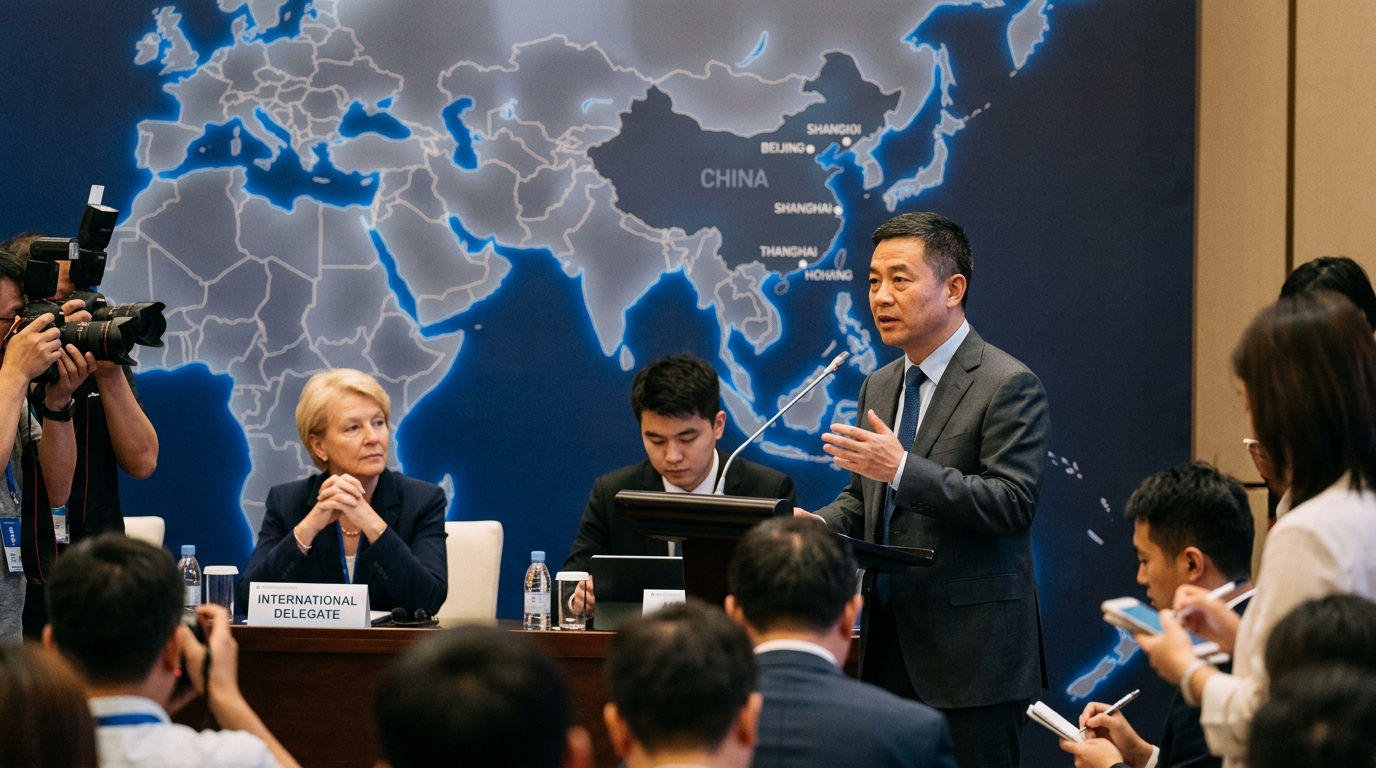
On the streets of Shenzhen, Shanghai, and Beijing, the vision of the future that once seemed like science fiction is now daily reality. China isn't waiting for the next big revolution in Artificial Intelligence (AI); it's living it. From autonomous taxis navigating chaotic intersections to biometric recognition systems that allow transactions with a simple glance, the country has transformed into a living laboratory for the application of the world's most advanced technologies.
The recent report by ABC News highlights a critical truth: the race for AI dominance is no longer just about who has the best large language model, but who can integrate these technologies deepest into the social and economic fabric. In China, the answer is clear. State guidance, combined with a massive concentration of data and an absence of Western-style ethical qualms regarding privacy, has enabled a speed of implementation that is both awe-inspiring and deeply concerning.
The Digital Panopticon: Safety or Control?
The most visible application of AI in China remains public security. With over 200 million surveillance cameras connected to deep learning networks, the Chinese state has achieved a level of social oversight unprecedented in history. These systems don't just record footage; they recognize faces, analyze pedestrian behavior, and can identify suspicious movements in real-time.
For the average citizen, this technology is presented as a tool for convenience and safety. Crime in major cities has dropped drastically, and finding missing persons now takes minutes. However, the dark side of this efficiency is the complete elimination of anonymity. The 'Social Credit System,' while often less dystopian in practice than portrayed in Western media, remains a powerful lever for compliance, where AI determines who is eligible for privileges and who faces restrictions.
Autonomy in Daily Life: From Logistics to Healthcare
Beyond surveillance, China leads in applying AI to the real economy. Companies like Baidu and AutoX have already deployed fleets of 'robotaxis' operating without drivers in designated zones. Unlike in the US, where accidents involving Tesla or Cruise spark intense legal battles, the Chinese government provides the necessary regulatory 'green light' to continue testing at scale, viewing failure as a necessary cost of progress.
In healthcare, AI is being used to diagnose diseases in rural areas where doctors are scarce. Systems trained on billions of medical images can detect cancerous tumors with higher accuracy than the average radiologist. This is no longer experimental; it's part of the national healthcare system, reducing costs and increasing life expectancy in a country with a rapidly aging population.
"Artificial Intelligence for us is not a luxury or a toy for chatting. It is the infrastructure upon which we are building the next phase of Chinese power," says a tech executive from Shanghai.
Geopolitical Competition and the Semiconductor War
China's dominance in AI application comes at a time when the United States is attempting to restrict its access to advanced semiconductors (chips). Despite the Biden administration's sanctions and ongoing pressure through 2025 and 2026, China has shown remarkable resilience. Huawei and SMIC have managed to develop domestic solutions that, while slightly behind Nvidia's top-tier chips, are sufficient for most AI applications.
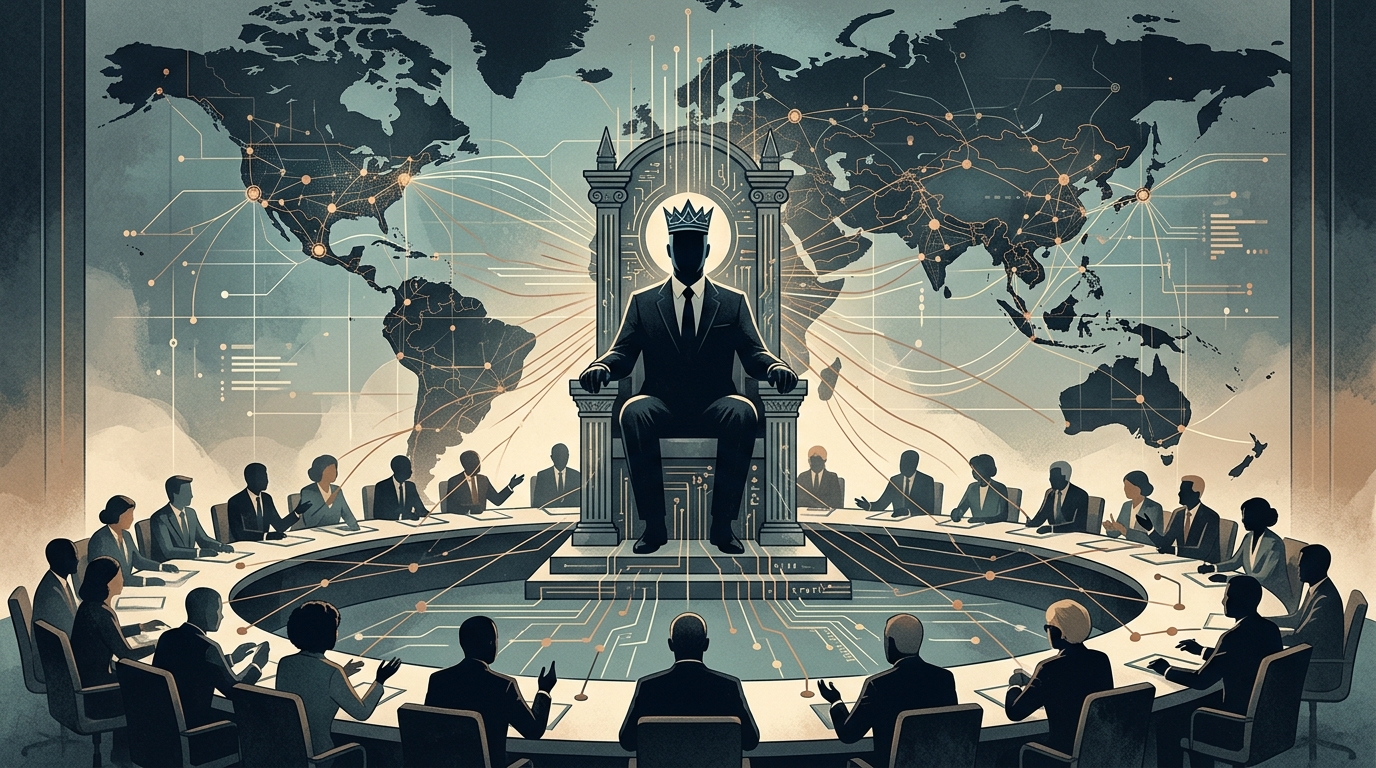
This drive for self-reliance has turned AI into a matter of national survival. Beijing is investing hundreds of billions of dollars in state funds to ensure the country does not depend on Western technology. The success of this endeavor will determine the global balance of power for the remainder of the 21st century. If China manages to combine superior AI application with technological independence, the geopolitical center of gravity will shift permanently to the East.
Conclusion: A Different Model of Evolution
China offers an alternative vision for humanity's future in the age of AI. It is a model that prioritizes collective efficiency and state stability over individual privacy and freedom of speech. For the rest of the world, the challenge is not only to compete with China on a technical level but to decide whether it can reap the benefits of this technology without adopting its authoritarian methods. What is certain is that China's experiment is no longer theoretical; it is a reality transforming the planet day by day.