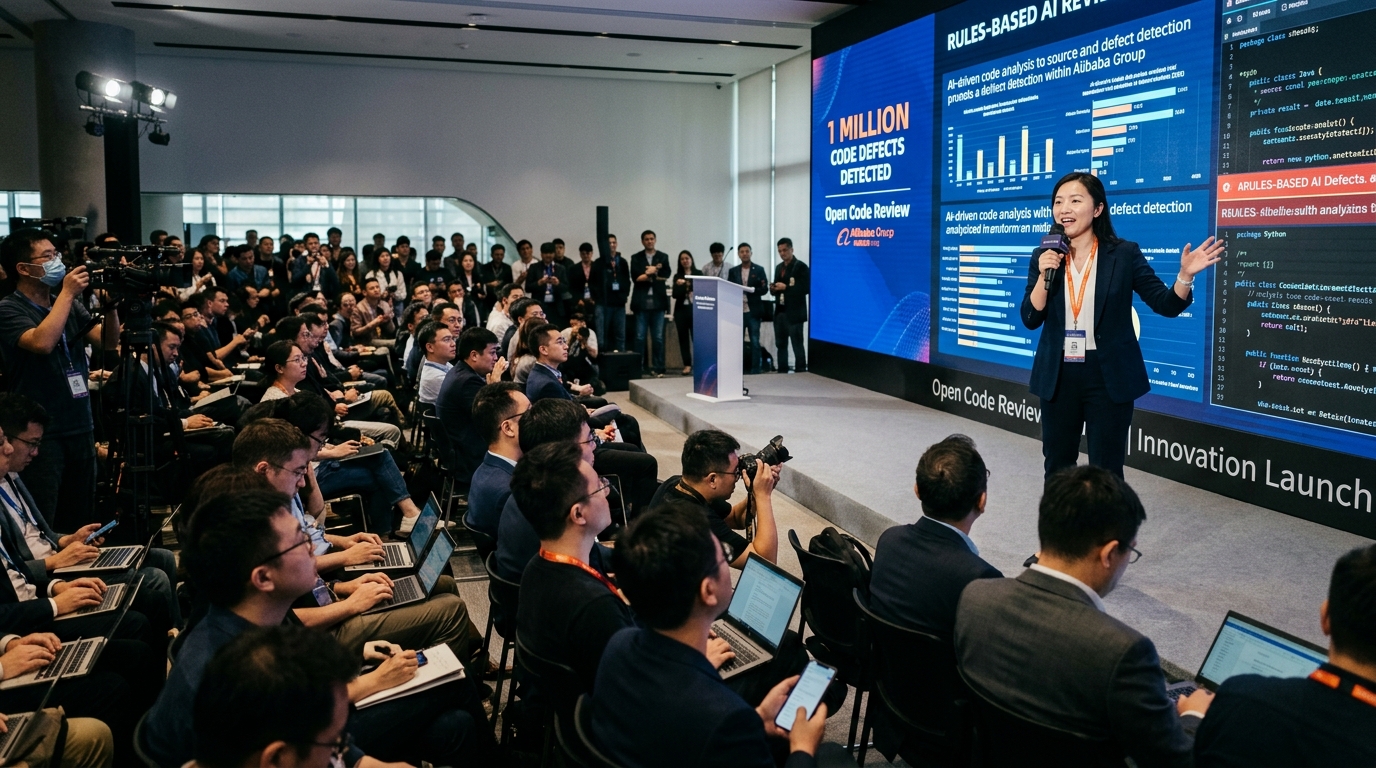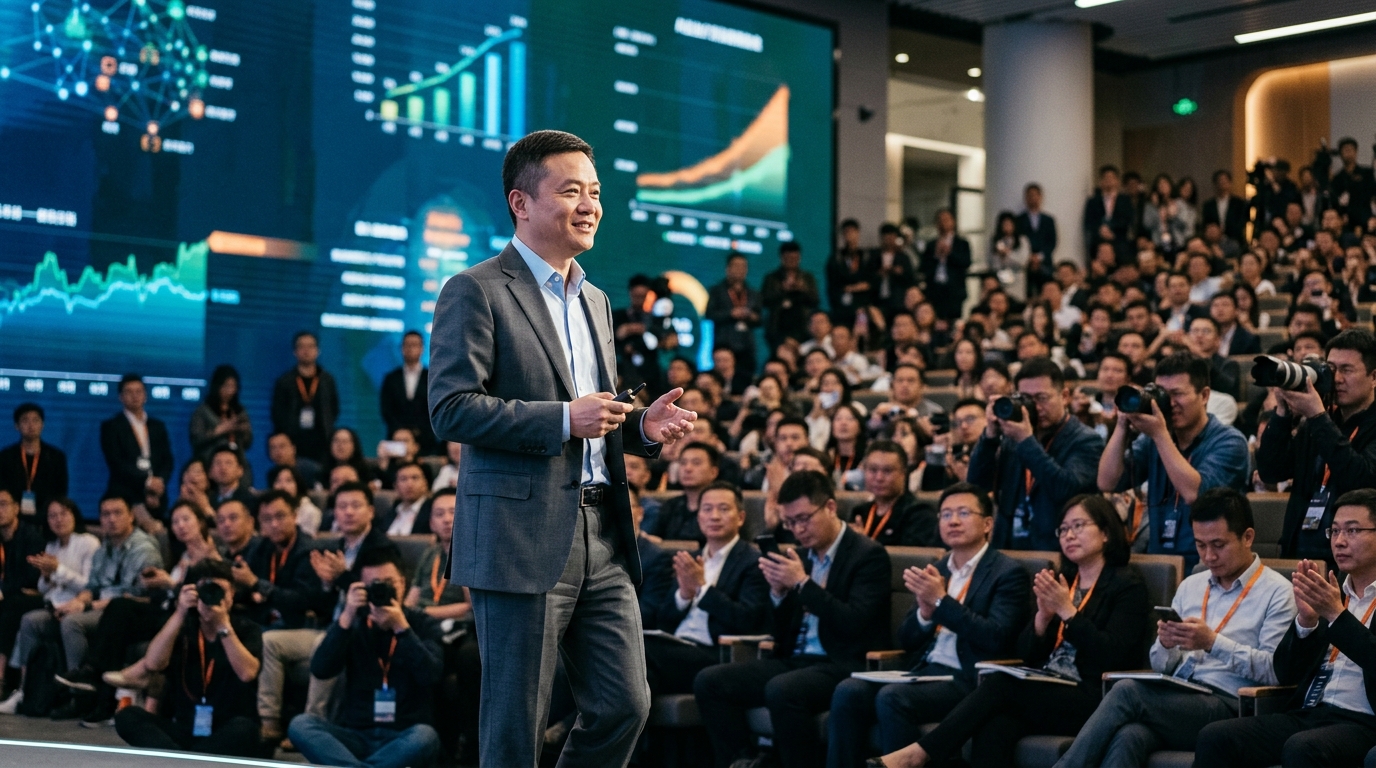
In the shifting landscape of global technology, few companies have undergone a transformation as radical as Alibaba. According to the latest financial results for 2026, the Chinese e-commerce giant is no longer just a retail platform, but a cloud computing and artificial intelligence (AI) superpower. The company's recent earnings announcement exceeded analyst estimates, proving that the decision to structurally reorganize the group into six distinct business units is starting to bear fruit.
Cloud as the New Growth Engine
Alibaba's Cloud Intelligence Group emerged as the ultimate protagonist of the recent quarters. By integrating advanced Generative AI models across its entire service ecosystem, the company has managed to attract a new generation of enterprise customers. The Tongyi Qianwen model, now in version 3.5, has become the foundation for thousands of applications across China and Southeast Asia.
The growth in cloud revenue is not just due to data storage, but primarily to the provision of computing power for AI training. Despite US export restrictions on advanced microchips, Alibaba has managed to optimize its existing infrastructure and develop its own acceleration solutions, maintaining its lead over domestic rivals like Tencent and Huawei. The "AI-First" strategy adopted by CEO Eddie Wu appears to be the correct response to the slowdown in traditional retail.
International Expansion and the Retail Battle
While the Chinese domestic market faces challenges due to sluggish consumer confidence, Alibaba's international digital commerce (AIDC) segment recorded explosive growth. Platforms like AliExpress and Lazada are benefiting from the integration of AI tools that optimize the supply chain and offer personalized shopping experiences in real-time. The use of AI in translation, customer service, and demand forecasting has allowed Alibaba to compete effectively with rising forces like Temu and Shein.
Special mention must be made of the logistics arm, Cainiao. The automation of warehouses through robotics and AI algorithms reduced operating costs by 15%, allowing the company to offer faster delivery times globally. This vertical integration of technology and commerce is the competitive advantage that allows Alibaba to maintain high profit margins in an environment of intense price competition.
Challenges and Geopolitical Context
However, the road to the top is not without obstacles. Alibaba remains in the crosshairs of regulators, both in China and the West. The need to comply with strict data protection rules and the geopolitical tension between Beijing and Washington create an uncertain environment. The company is forced to balance innovation with state oversight, an exercise that requires diplomatic skill and strategic foresight.
Nevertheless, the financial robustness demonstrated by Alibaba in 2026 sends a clear message: the Chinese dragon has awakened and is more technologically advanced than ever. The focus on profitability through efficiency rather than just sales volume expansion marks a new era of maturity for the group. For investors, Alibaba is no longer a bet on Chinese consumption, but a position in the future of global digital infrastructure.