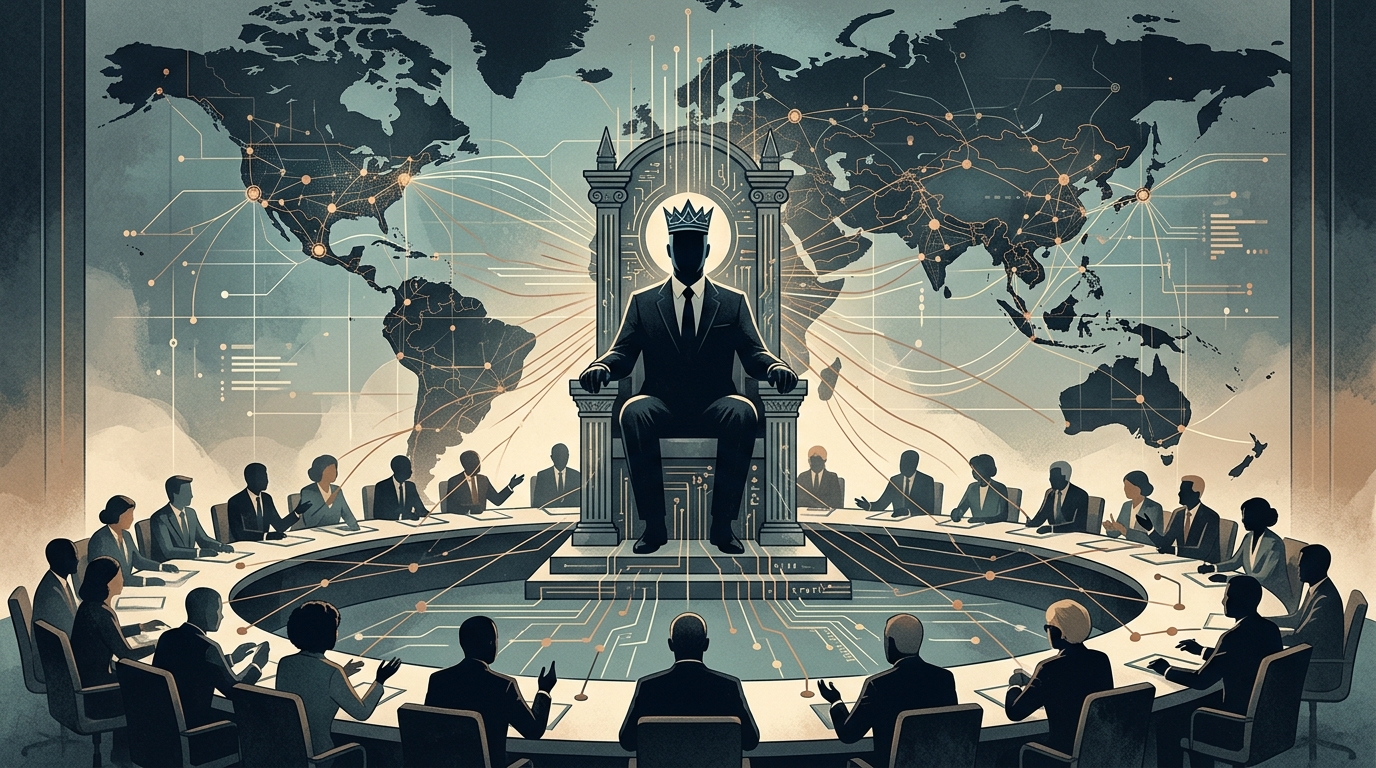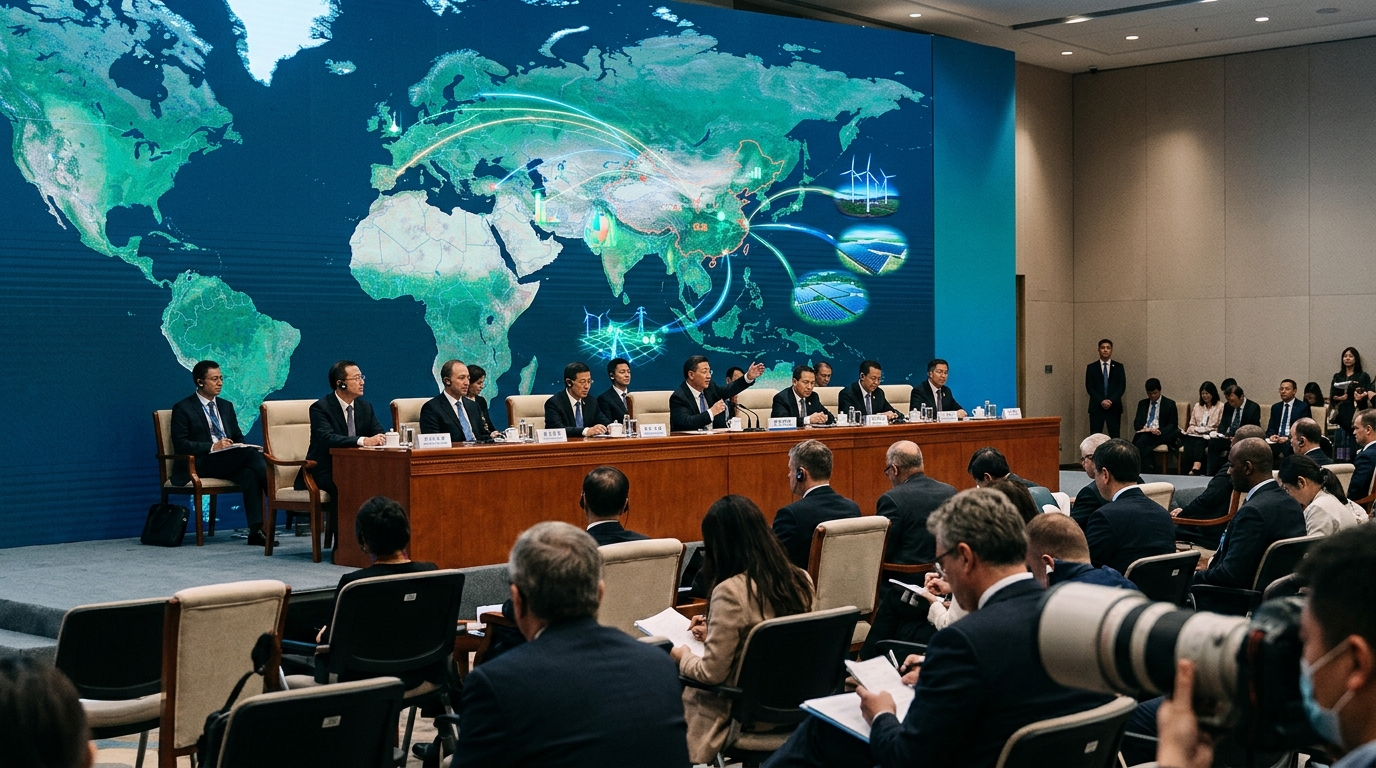
In an era where digital sovereignty is inextricably linked to energy sufficiency, China is orchestrating an unprecedented convergence of the two most critical technological pillars of the 21st century: Artificial Intelligence (AI) and Green Energy. According to recent reports, Beijing has deployed what is being described as a 'God’s-eye view'—a sophisticated AI-driven network that allows for the real-time monitoring and optimization of the nation’s entire renewable energy infrastructure. This development is not merely a technical upgrade; it is a strategic maneuver to support the explosive demand for data centers fueling the domestic AI industry.
The Convergence of Energy and Computing Power
The necessity for this 'super-vision' arises from a fundamental paradox of modern technology: AI, while promising solutions for climate change, is itself incredibly energy-intensive. Training large language models and operating massive GPU clusters requires amounts of electricity that could power entire cities. China, as the world's largest producer of solar and wind energy, faces the challenge of the intermittent nature of these sources. The 'God’s-eye view' AI system utilizes satellite data, IoT sensors, and advanced weather forecasting algorithms to balance supply and demand across the national grid.
- Predicting solar and wind output with minute-by-minute precision.
- Automatically rerouting energy to data centers during peak demand.
- Reducing energy wastage caused by the inability to store excess power.
As analysts from the South China Morning Post point out, this capability grants China a significant edge over the West. While the US and Europe grapple with bureaucratic delays and aging grids, Beijing is implementing a centrally controlled, technologically driven approach that integrates the green transition into national security.
The 'East-to-West Computing' Initiative
Central to this strategy is the 'Dongshu Xisuan' (East Data, West Computing) initiative. The concept is simple yet ambitious: moving data processing needs from the wealthy but energy-deficient eastern provinces (like Shanghai and Guangdong) to western regions blessed with abundant solar, wind, and hydroelectric power. The AI system acts as the 'brain' of this transfer, ensuring that computing power follows the flow of electrons.
"It is no longer just about who has the best chips, but about who can power them in the most efficient and sustainable way," notes a Chinese researcher in power grid systems.
Using AI for energy management allows Chinese data centers to achieve lower Power Usage Effectiveness (PUE) ratings, making them more competitive globally. Furthermore, the ability to predict grid needs reduces reliance on coal, which has traditionally served as a backup when renewables fall short.
Geopolitical Implications and the Battle for Supremacy
In the geopolitical chessboard, China’s 'God’s-eye view' of the green sector serves as a potent tool of soft power. The ability to manage such a complex system can be exported to other nations through the Belt and Road Initiative, creating new technological standards based on Chinese specifications. Washington is watching closely, as the energy efficiency of Chinese AI infrastructure could potentially offset the impact of US export restrictions on advanced semiconductors.
However, challenges remain. Concentrating such immense power and information within a single AI system poses significant cybersecurity risks. An algorithmic error or a targeted attack could trigger massive blackouts or paralyze the country’s digital economy. Despite these risks, China seems determined to push forward, believing that controlling energy through intelligence is the only path to global hegemony in the 21st century.
Conclusion
China’s move to give AI the 'upper hand' in green energy management marks a new phase in global competition. It is no longer just a battle of algorithms, but a battle of infrastructures. The nation that manages to marry AI’s insatiable thirst for data with the clean energy of the sun and wind will be the one to define the rules of the future economy. For China, the 'God’s-eye view' is not just a monitoring tool, but the key to its energy and technological independence.