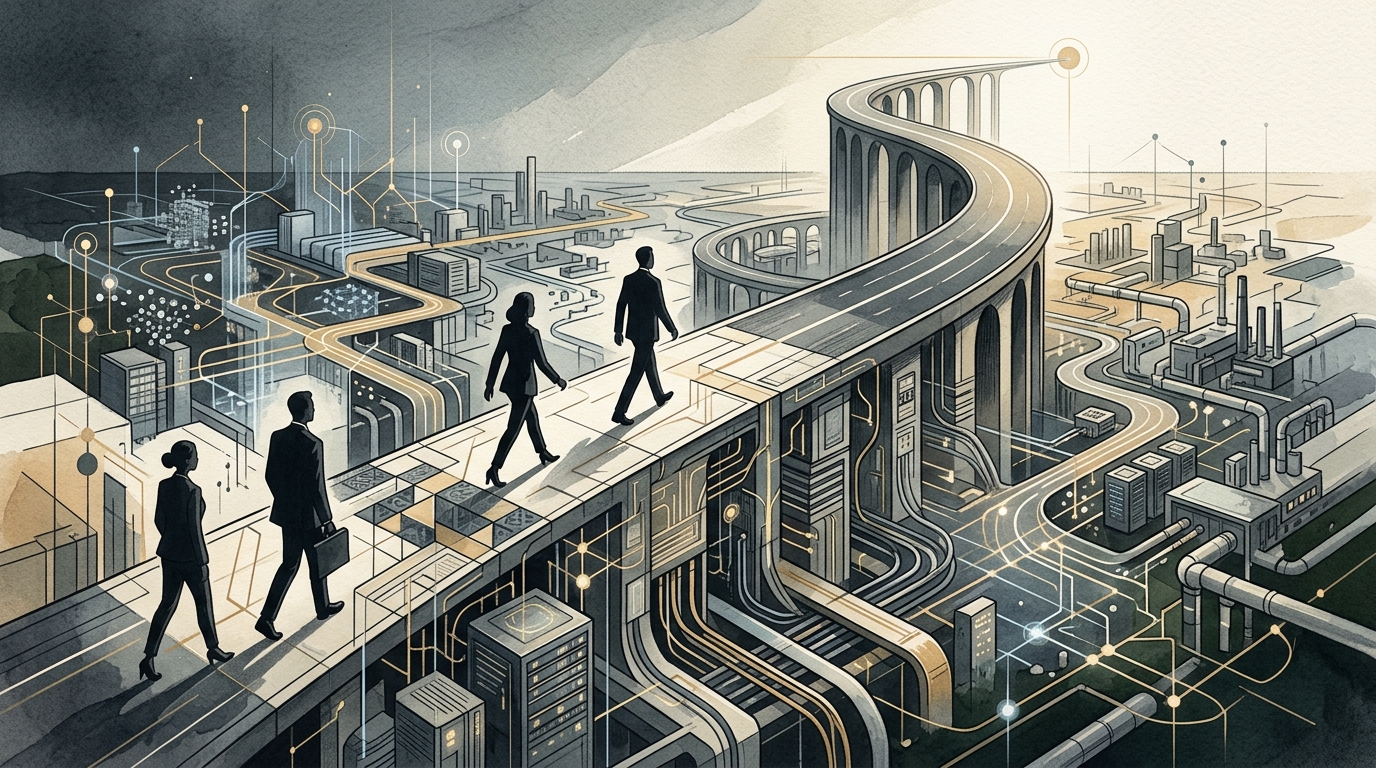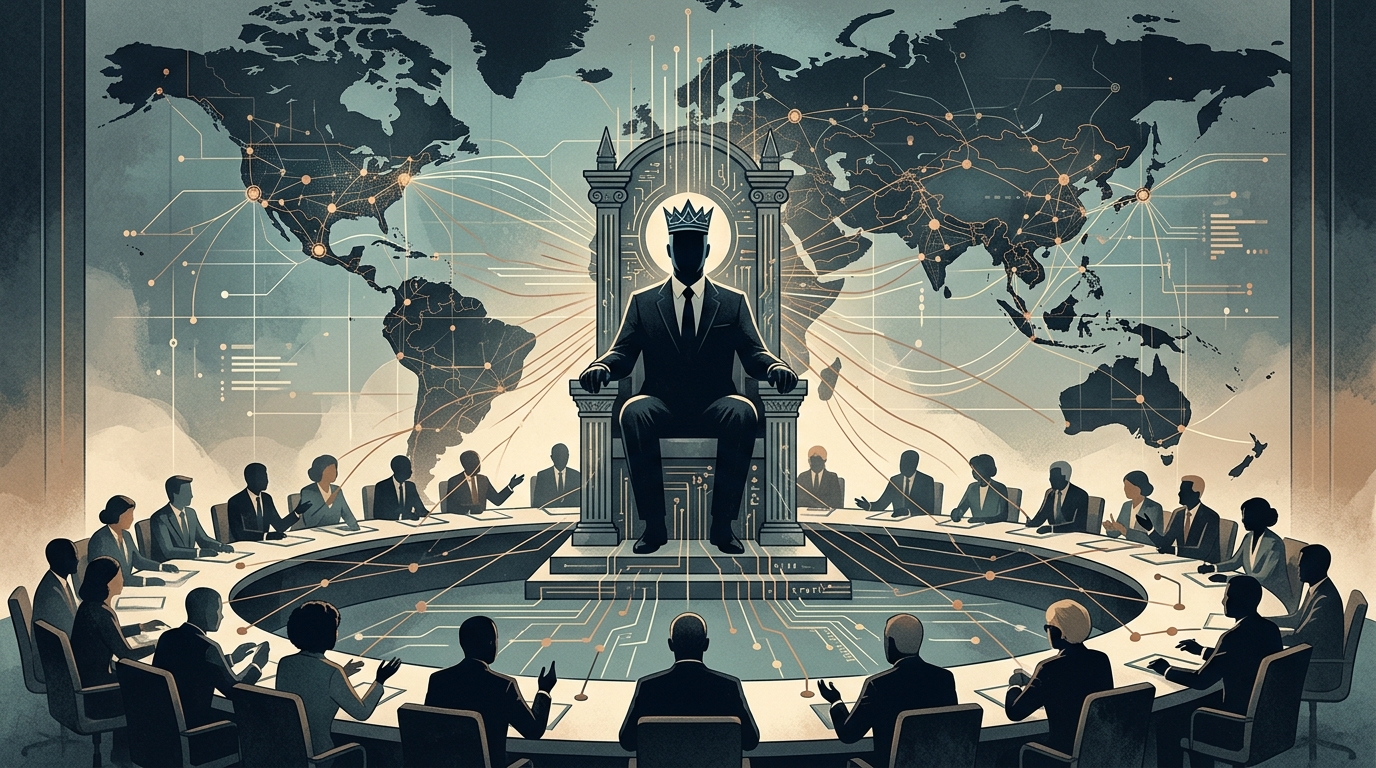
For years, the narrative surrounding Artificial Intelligence (AI) focused on its intangible nature: algorithms living in the cloud, data moving instantaneously, and an economy seemingly decoupled from the constraints of physical matter. However, as we move through April 2026, the geopolitical reality in the Middle East—specifically the escalating tensions with Iran—serves as a violent reminder that AI is as 'heavy' and 'physical' as the industries of the 20th century. The AI economy is no longer a theoretical promise; it is a giant that consumes energy, demands rare earth minerals, and depends on global peace to maintain its supply chains.
The Energy Nexus: Oil as GPU Fuel
The first and most immediate impact of the Iran conflict concerns energy costs. Despite progress in renewables, global power generation remains tightly linked to fossil fuel prices. Data centers housing Large Language Models (LLMs) require massive amounts of energy for cooling and operating H100 processors and their successors. A flare-up in the Persian Gulf and the potential closure of the Strait of Hormuz doesn't just mean more expensive gasoline at the pump; it means an increase in operating costs for companies like OpenAI, Google, and Meta.
According to analysts, a sustained rise in oil prices above $120 per barrel could lead to a 15-20% increase in the cost of training new models. This creates a domino effect: startups relying on third-party APIs see their profit margins evaporate, while tech giants are forced to re-evaluate their investments in 'brute force' AI infrastructure, pivoting toward more efficient but less powerful algorithms.
Semiconductor Supply Chains and the Tech Silk Road
While Iran is not a chip manufacturer, its geopolitical position influences the maritime routes connecting Asian semiconductor makers with Western markets. Navigation security is crucial for transporting lithography equipment and raw materials. Furthermore, Iran's strategic alliance with China and Russia creates new blocs of 'technological sovereignty.' The West faces the dilemma of further decoupling from supply chains that pass through high-risk zones.
- Rare Earths: Access to materials essential for hardware manufacturing becomes a weapon in the hands of opposing sides.
- Logistics: Delays in hardware deliveries for data centers can stall the pace of innovation for entire semesters.
- Cyber Warfare: Iran has demonstrated significant cyberattack capabilities, now directly targeting AI infrastructures deemed critical to US and EU national security.
"Artificial Intelligence is no longer a lab experiment, but a critical national infrastructure. When missiles fly in the Middle East, the vibrations are felt in the servers of Silicon Valley," notes Dr. Andreas Pappas, a geopolitical risk analyst.
Ethics and Military Use: AI on the Battlefield
The conflict in Iran also serves as a testing ground for the next generation of autonomous weapons systems. The use of AI for target identification, drone swarm management, and real-time intelligence analysis is changing the nature of warfare. This raises urgent questions about the limits of technology. As private AI companies collaborate more closely with defense departments, the distinction between 'civilian' and 'military' AI is dangerously blurring. The AI economy benefits from defense contracts, but simultaneously becomes a target for retaliation, creating a vicious cycle of instability.
Conclusion: The Return to Earth
2026 marks the end of innocence for the AI economy. The encounter with real-world limits—energy, geography, and war—is forcing the industry to mature abruptly. The success of the next phase of AI will be judged not only by the number of parameters in a model but by the resilience of its physical infrastructure and its ability to operate in a fragmented and unstable world. Iran is just the tip of the iceberg in a new era where bits are entirely dependent on barrels.