As we navigate the middle of 2026, humanity faces one of the most complex challenges in modern history: the weaponization of Artificial Intelligence (AI) by non-state actors and terrorist organizations. While the international community remains largely focused on AI's transformative potential in medicine and economic productivity, a shadow reality is emerging within the encrypted networks and clandestine laboratories of extremists. AI is no longer merely an optimization tool; it has become a power multiplier that allows small groups to execute strikes that previously required the vast resources of a nation-state.
Digital Radicalization and Propaganda 2.0
The first and perhaps most pervasive threat lies within the domain of information warfare. Large Language Models (LLMs) have empowered terrorist organizations to generate propaganda in dozens of languages with flawless syntax and cultural nuance, targeting vulnerable populations globally. The deployment of deepfakes—highly realistic video and audio generated by AI—allows for the fabrication of news events that can trigger social unrest or destabilize political leadership within minutes.
Beyond content generation, AI algorithms are being utilized to scrape social media data, enabling recruiters to identify individuals with specific psychological profiles susceptible to radicalization. This 'surgical' approach to recruitment makes the traditional work of intelligence agencies exceptionally difficult, as the process shifts from public forums to private, encrypted chats managed by personalized, persuasive chatbots.
From Cyberspace to the Physical Realm: Autonomous Weapons and Bioterrorism
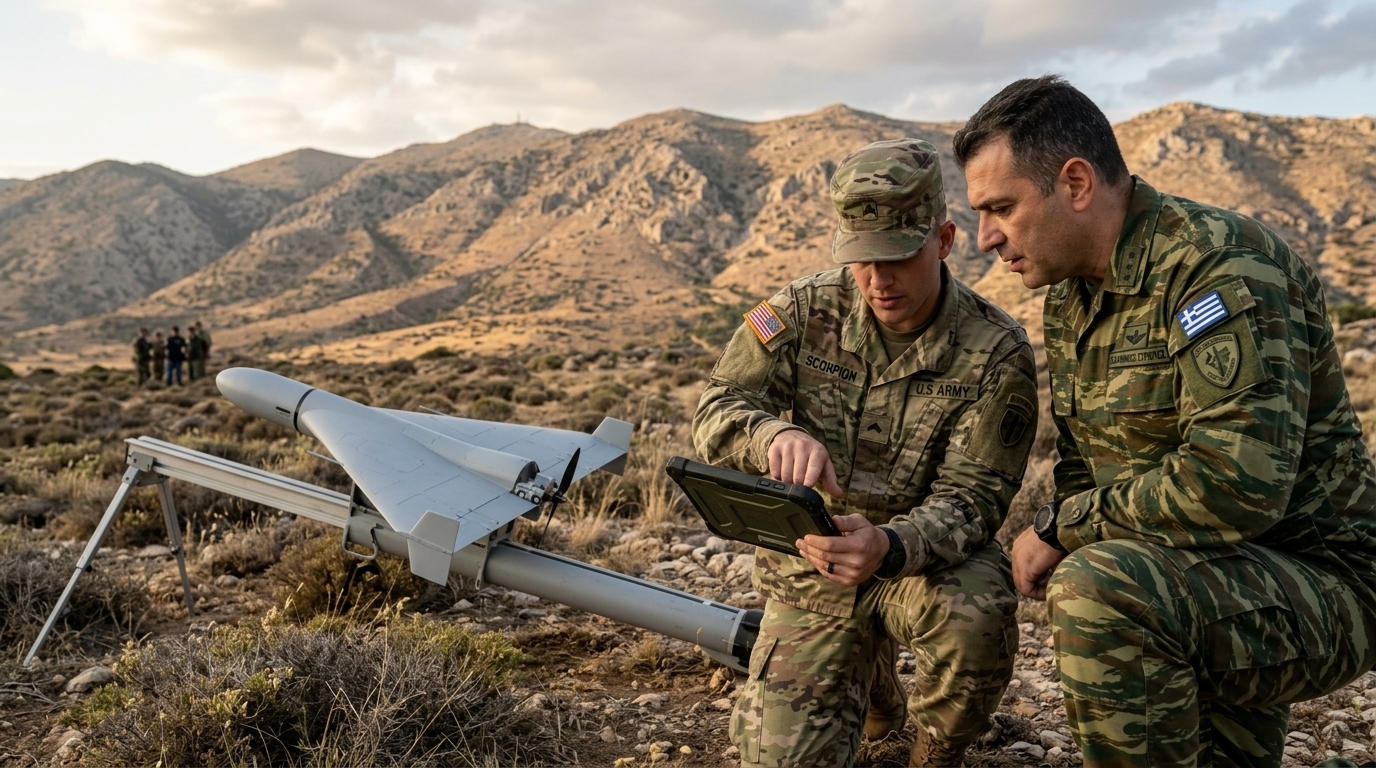
The primary concern for security analysts in 2026 involves the use of AI for planning and executing physical attacks. AI’s ability to analyze complex infrastructure systems—such as power grids, water supplies, and transportation hubs—allows for the identification of vulnerabilities that would elude the human eye. Furthermore, the convergence of AI with robotics has led to the development of inexpensive, autonomous drones capable of operating in swarms, rendering traditional air defense systems increasingly obsolete.
A particularly chilling prospect is the rise of AI-assisted bioterrorism. Specialized AI models designed for drug discovery can, with minimal modification, be repurposed to synthesize new, highly toxic chemical agents or pathogens. The 'democratization' of scientific knowledge through AI means that an individual with basic biological training and access to a powerful model could theoretically design a biological weapon, bypassing the traditional hurdles of high-level expertise and specialized laboratory equipment.
"Artificial Intelligence does not just change the rules of the game in terrorism; it changes the stadium itself, turning defense into a perpetual chase against an invisible and constantly evolving adversary."
The State Response and the Surveillance Dilemma
In response to these threats, governments worldwide are investing billions into 'Defensive AI.' These systems are used for predictive data analysis, monitoring suspicious cryptocurrency transactions, and detecting extremist content before it goes viral. However, the use of AI in counter-terrorism raises profound ethical questions. The thin line between public safety and mass surveillance is becoming increasingly blurred.
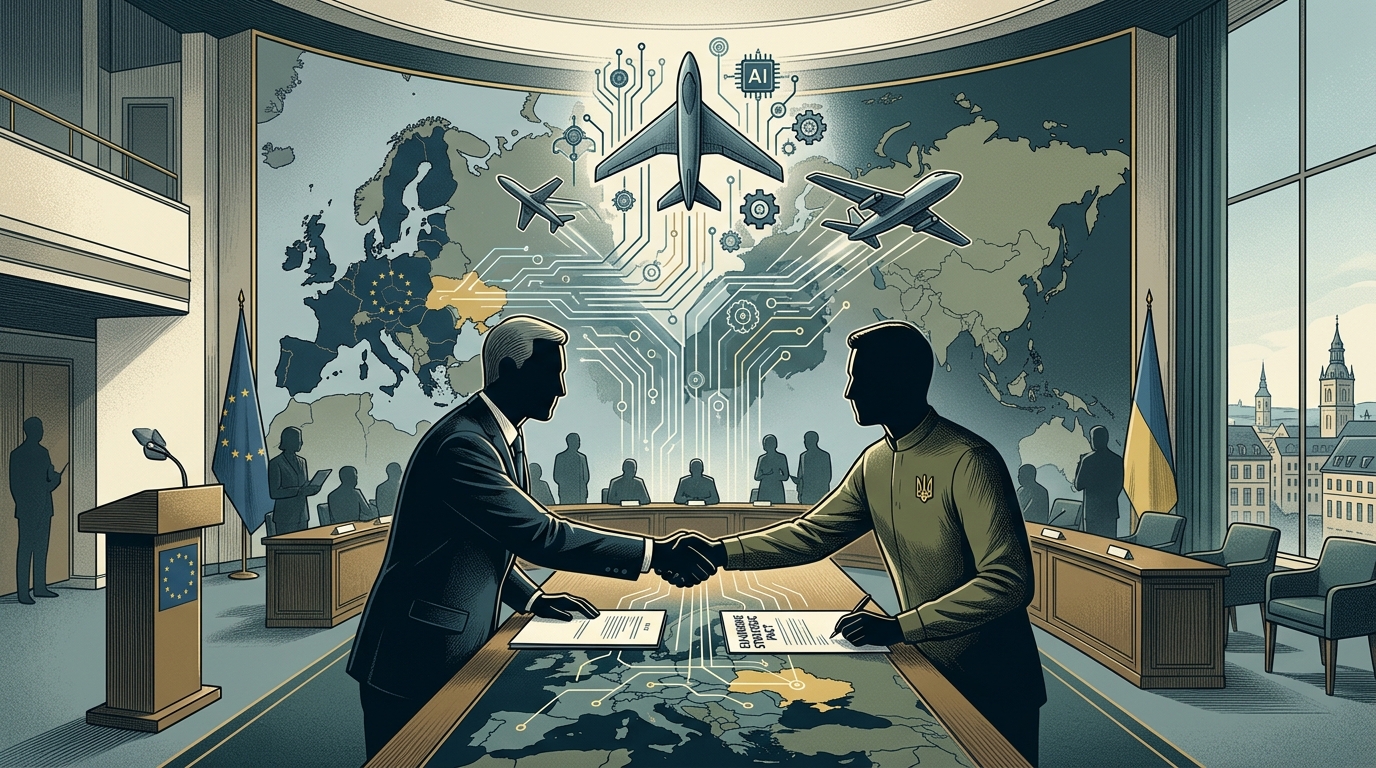
The European Union, through its updated AI Act, attempts to set strict boundaries, such as prohibiting real-time biometric identification in public spaces except in cases of immediate terrorist threats. Nevertheless, the pressure for effective protection often leads to compromises regarding citizens' digital rights. The challenge for 2026 and beyond is to establish an international framework that controls the proliferation of dangerous AI models without stifling innovation or sacrificing democratic values.
Conclusion: A New Security Architecture
Addressing 'AI-driven terrorism' requires a holistic approach that transcends national borders. Cooperation between tech giants and state agencies is essential to integrate robust 'guardrails' into AI models. Simultaneously, educating citizens in critical thinking and digital literacy constitutes society's first line of defense. Artificial Intelligence is a mirror of humanity: the risks arising from it are but a reflection of our own age-old conflicts, now armed with a new, terrifying speed and precision.