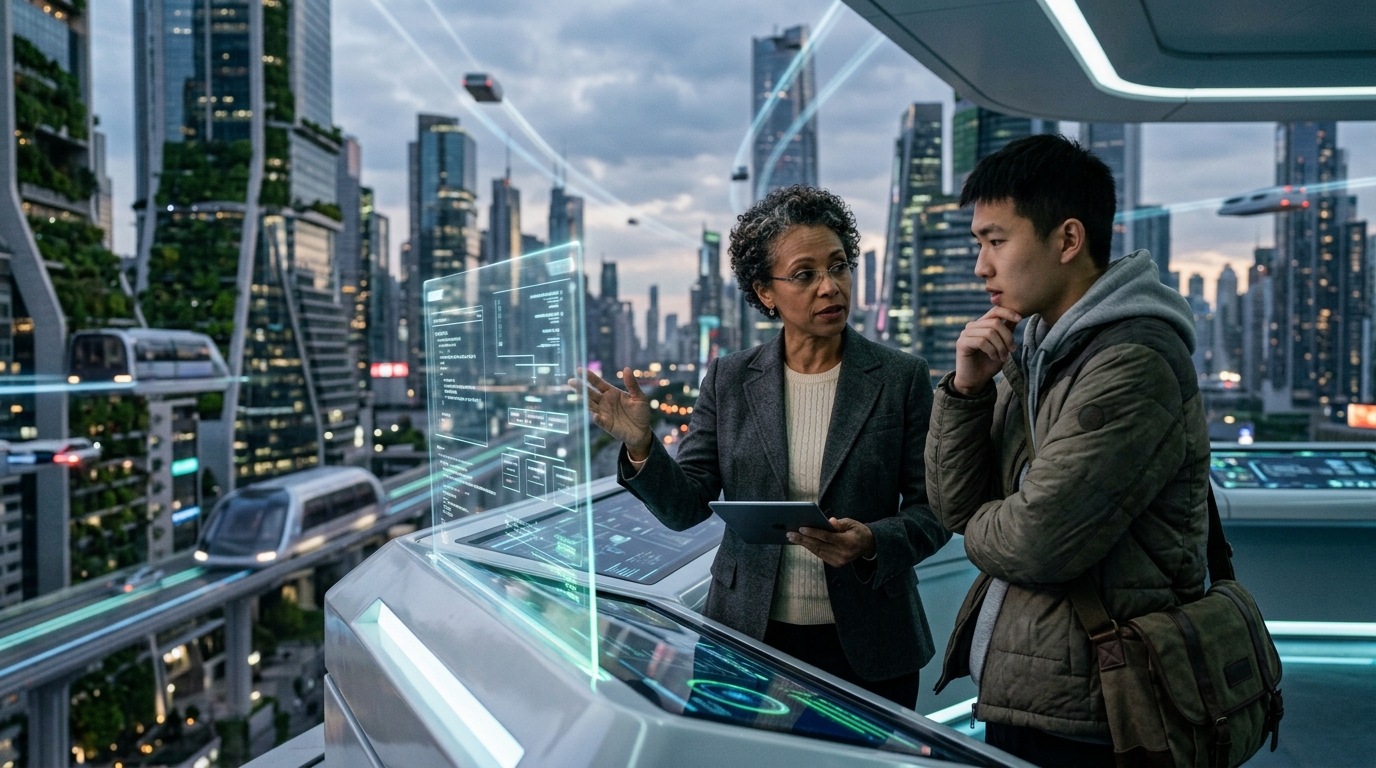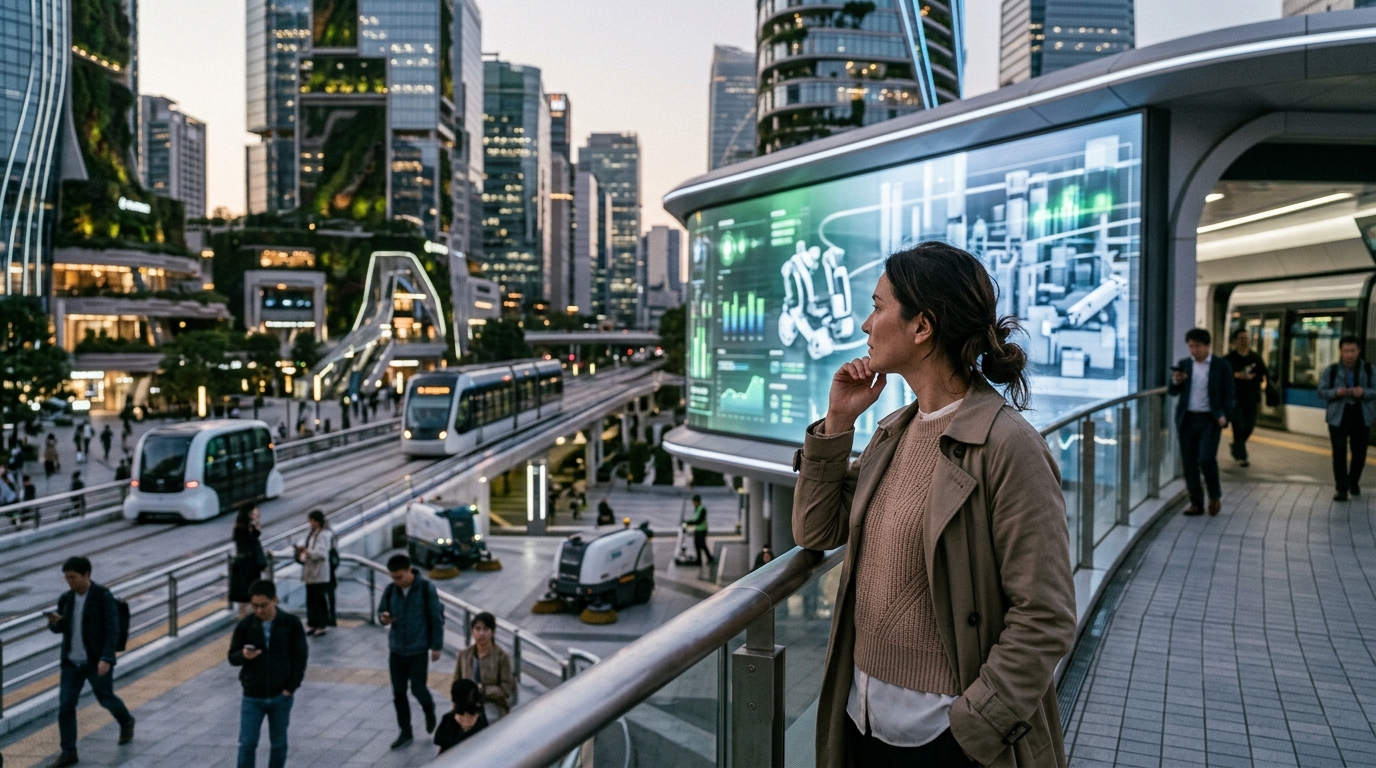
In an era where artificial intelligence is no longer an exotic prediction but the central axis of the global economy, Work Optional’s announcement of its radical transformation marks a historic turning point. The company, which began as an innovative human resources management platform, has undergone a complete rebranding, moving its headquarters to a new state-of-the-art technology hub and introducing a leadership team comprised of veterans from robotics and machine learning. The message is clear: "work optional" is no longer just a slogan for the FIRE (Financial Independence, Retire Early) movement, but a technological reality being built through autonomous systems.
Strategic Transformation and New Identity
Work Optional isn't just changing its logo; it's changing the very DNA of its operations. The company's new headquarters, designed to house next-generation robotics testing labs, signifies a shift from software to hardware and the integration of physical AI systems into the workplace. The new leadership team, including executives from top-tier firms like OpenAI, Tesla Robotics, and Boston Dynamics, brings the expertise required to bridge the gap between digital intelligence and physical execution.
According to the announcement, the company's roadmap for 2026-2028 focuses on three pillars: the development of "digital twins" for every employee, the creation of specialized robotic units for the service sector, and the provision of a governance platform to manage the hybrid workforce—humans and machines—in a unified manner. Work Optional aspires to become the operating system of the post-labor era.
Robotics as the New Factor of Production
The integration of robotics into the company's roadmap is its boldest move yet. While many HRTech firms remain stuck in optimizing hiring, Work Optional is looking toward replacing repetitive and dangerous tasks through humanoid robots. Their strategy covers not just factories, but offices, hospitals, and hospitality venues. Key elements of the new roadmap include:
- Autonomous Work Agents: AI systems capable of managing complex administrative processes without human intervention.
- Humanoid Integration: A platform for the seamless integration of humanoid robots into work teams.
- Work Optional Policies: Consulting and tools for companies wishing to transition to models where humans work only on creative or strategic projects.
Social and Economic Implications
This move by Work Optional is sparking intense debate among economists and sociologists. If work truly becomes "optional," how will the wealth generated by machines be redistributed? The company argues that its model will allow for lower living costs and increased leisure time, but critics warn of the risk of a new class of "useless" workers who find themselves out of the market without a safety net.
"We are not building tools to replace humans, but to liberate human creativity from the shackles of necessity," stated the new CEO during the presentation.
However, market reality is often harsher. Moving the headquarters to a region with a more favorable tax and regulatory framework for AI suggests that Work Optional is preparing for global dominance, where national borders and traditional labor laws will take a back seat to algorithmic efficiency.
The Future of Employment in 2026
As we approach the second half of the decade, the case of Work Optional serves as a bellwether for developments. The success or failure of its roadmap will determine whether humanity is headed toward a utopia of abundance or a dystopia of extreme inequality. The technology is now ready; the question remains whether our social structures can withstand the weight of such radical change. Work Optional is betting that the future will not belong to those who work hard, but to those who own and manage autonomous intelligence.