As we navigate the spring of 2026, Europe faces an unprecedented energy equation that threatens to derail the much-touted green transition. Norway, which for decades has been dubbed "Europe's largest battery" thanks to its massive hydroelectric reserves, is seeing its reservoir levels drop to historic lows. This development, combined with the escalation of military conflict in Iran that has paralyzed global oil and gas markets, brings the European Union face-to-face with its strategic vulnerabilities.
The Geopolitical Storm and the Failure of Foresight
The war in Iran is not merely a regional conflict; it is the catalyst that has exposed the fragile nature of European energy autonomy. With the Strait of Hormuz under constant threat, Europe has hastily turned North, hoping Norway could fill the void. However, reality has proven otherwise. The increased demand for energy exports from Norway to Germany and the UK, via subsea interconnectors, has led to a rapid depletion of reserves.
The "green battery" strategy was built on the assumption that Norway could store energy when wind and solar were abundant in the rest of Europe and release it during times of need. But the war changed the rules. Demand is no longer periodic; it is constant and urgent. The pressure on the Norwegian grid has led to domestic political friction, with Norwegian citizens protesting rising electricity prices despite their country being one of the world's largest energy producers.
The Climate Paradox: When Nature Refuses to Cooperate
The second blow comes from the very climate crisis that the green transition aims to mitigate. The droughts of 2025 and the limited snowfall of this past winter in Scandinavia have drastically reduced water inflow into the reservoirs. It is the ultimate paradox: the technology intended to save us from climate change (hydroelectric power) is becoming unreliable because of climate change itself.
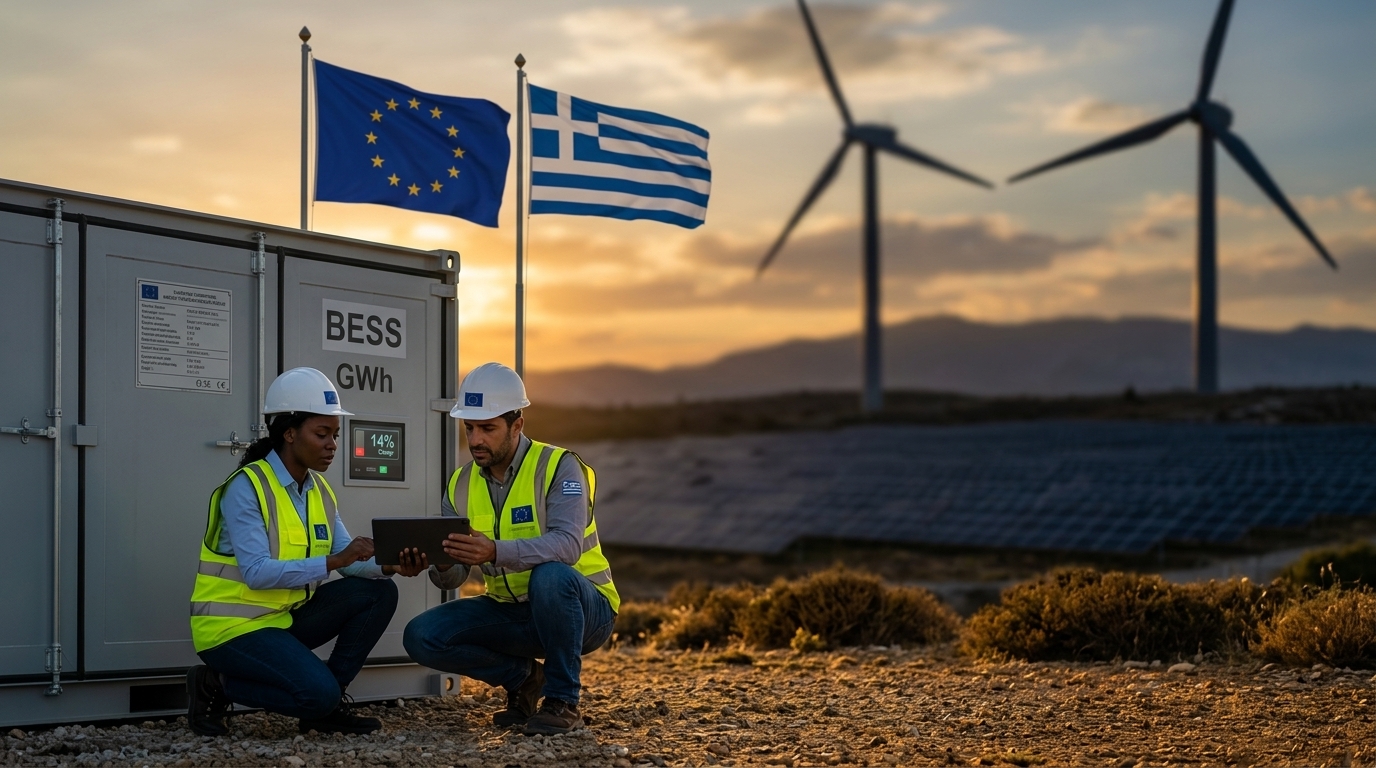
According to analysts, Europe does not just face a quantity problem, but a structural one. The grid is designed for an era of stability that no longer exists. The lack of investment in alternative storage forms, such as green hydrogen and large-scale solid-state batteries, has left the continent dependent on a single "lung." When this lung begins to fail, the entire system risks suffocation.
AI as an Energy Rescue Engineer
In this grim landscape, Artificial Intelligence (AI) is emerging as the critical player for crisis management. AI systems now used by Transmission System Operators (TSOs) in Europe are attempting to balance the grid in real-time, predicting fluctuations in demand and renewable production with second-by-second accuracy.
- Weather forecasting models that analyze data from thousands of sensors to optimize hydroelectric production.
- Dynamic pricing algorithms that encourage shifting industrial consumption to off-peak hours.
- Automated demand response systems in smart cities, reducing grid load without affecting quality of life.
However, AI cannot create energy out of thin air. It can only manage scarcity in the most efficient way possible. Europe's political leadership is now called upon to make difficult decisions: will it continue to rely on traditional solutions, or will it invest in a radically decentralized energy model?
Conclusions and the Path Forward
The "empty battery" crisis is a wake-up call. Energy security cannot rely on individual states or technologies vulnerable to the whims of the weather. Europe must accelerate the interconnection of its grids, invest in next-generation nuclear power as a baseload, and develop storage infrastructure that does not depend on rainfall. The war in Iran may eventually end, but climate instability is here to stay. Europe's ability to adapt to this new normal will determine not only its economic prosperity but its very geopolitical standing.