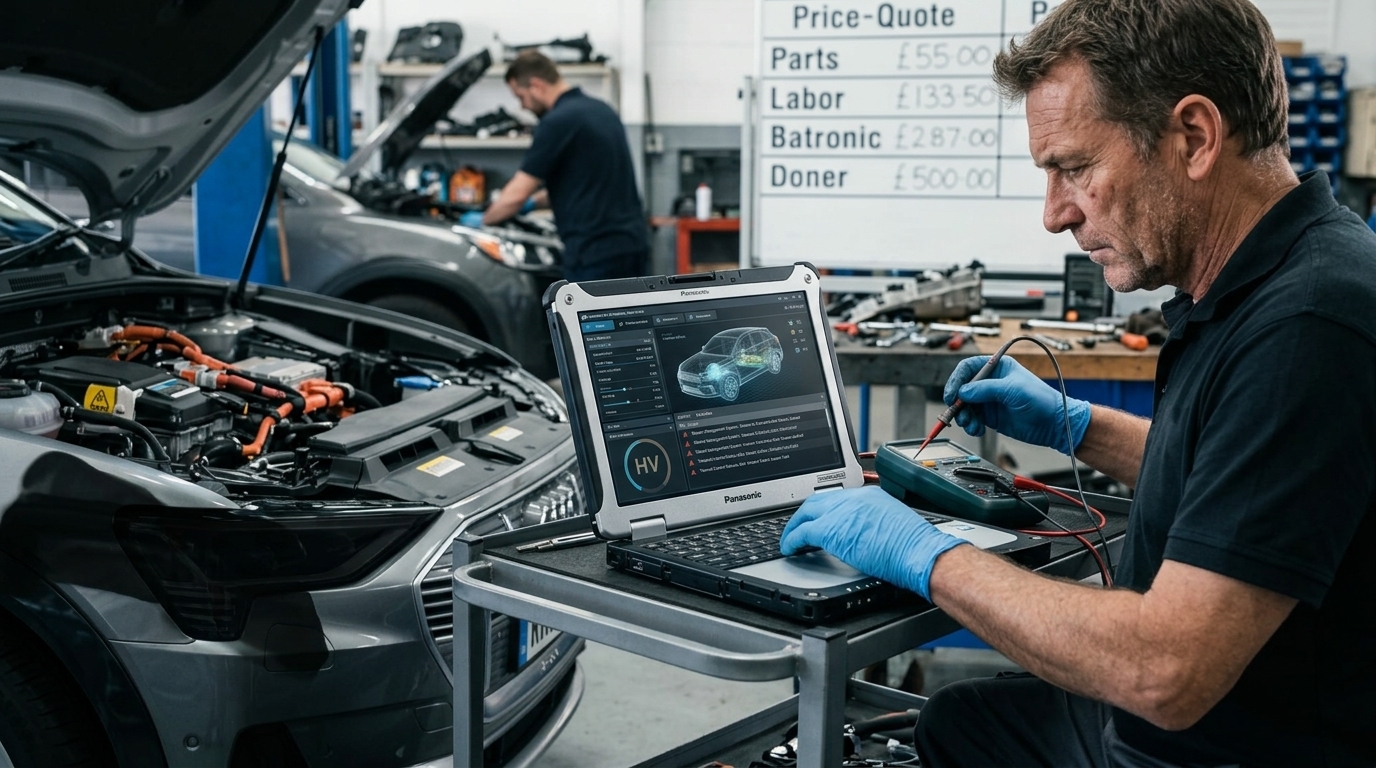
Once upon a time, a minor fender bender meant a quick trip to the local body shop, some hammer work, and perhaps a touch of paint. Today, the same incident can cost several thousand dollars and put a vehicle out of commission for weeks. The transition from mechanical machines to "computers on wheels" has revolutionized road safety, but it has simultaneously created a new economic reality that threatens driver budgets and the very concept of ownership.
The Invisible Architecture of Sensors
The primary culprit behind rising costs is Advanced Driver Assistance Systems (ADAS). These include cameras, radar, and ultrasonic sensors strategically placed in collision-prone areas like bumpers, mirrors, and windshields. A simple windshield replacement, once a routine procedure, now requires the calibration of cameras mounted behind the glass. If this calibration is not precise to the millimeter, systems like automatic emergency braking or lane-keep assist could fail, endangering lives.
This technological complexity means that repairs no longer just require tools, but also specialized software and diagnostic equipment often only available at authorized manufacturer dealerships. The result is a stifling of competition and the imposition of monopolistic pricing in the maintenance market.
The War for the "Right to Repair"
Beyond hardware, the battle is shifting to software. Automakers are locking vehicle data behind digital walls, citing cybersecurity and intellectual property concerns. However, consumer advocacy groups and independent repair shops argue that this is an attempt to control the secondary market. In the European Union and the US, the "Right to Repair" movement is gaining momentum, pushing for legislation that would force manufacturers to provide diagnostic data access to third parties.
Without this access, the owner of a modern car is essentially a "hostage" to the official dealership. This affects not only the price of labor but also the availability of parts. "Smart" components often require digital software pairing with the car's central system to function, making the use of salvaged or cheaper aftermarket parts nearly impossible.
New Materials and the Vanishing Mechanic
The quest for lighter and safer vehicles has led to the use of complex materials like high-strength aluminum, carbon fiber, and magnesium alloys. While these materials offer superior protection, they are notoriously difficult and expensive to repair after a collision. In many cases, components that could previously be straightened or patched must now be replaced entirely.
Furthermore, a shortage of specialized labor exacerbates the problem. Automotive technicians must now be as proficient in computer programming as they are in mechanical engineering. This training is costly, and that cost is passed on to the consumer through significantly higher hourly labor rates.
The Consequences: Premiums and the Environment
The skyrocketing cost of repair has a direct impact on the insurance industry. Insurers, seeing the cost of claims rise, are increasing premiums globally. Even more concerning is the phenomenon of "premature totaling." Because the cost of repairing sensors and software can easily exceed 50% of a used vehicle's value, many cars are deemed economically unrepairable and sent to scrap, despite having intact structural integrity. This creates a massive environmental footprint, partially negating the fuel efficiency benefits of modern engines.