In an era where education stands at a critical crossroads, Israel has taken a definitive, high-tech leap forward. Confronted by a chronic and escalating shortage of qualified educators—particularly in the English language department—the Ministry of Education is turning to Artificial Intelligence (AI) to fill the void. This move is not merely a temporary fix but a strategic pivot that is expected to redefine the educational landscape in the Middle East and beyond.
The Classroom Crisis
The teacher shortage in Israel is a long-standing issue that has reached a boiling point. Low wages, demanding working conditions, and the high demand for English-speaking professionals in the private sector have driven many talented teachers away from the classroom. English is considered a "critical skill" for success in Israel’s high-tech-driven economy, making the lack of instructors a national economic concern as much as a pedagogical one.
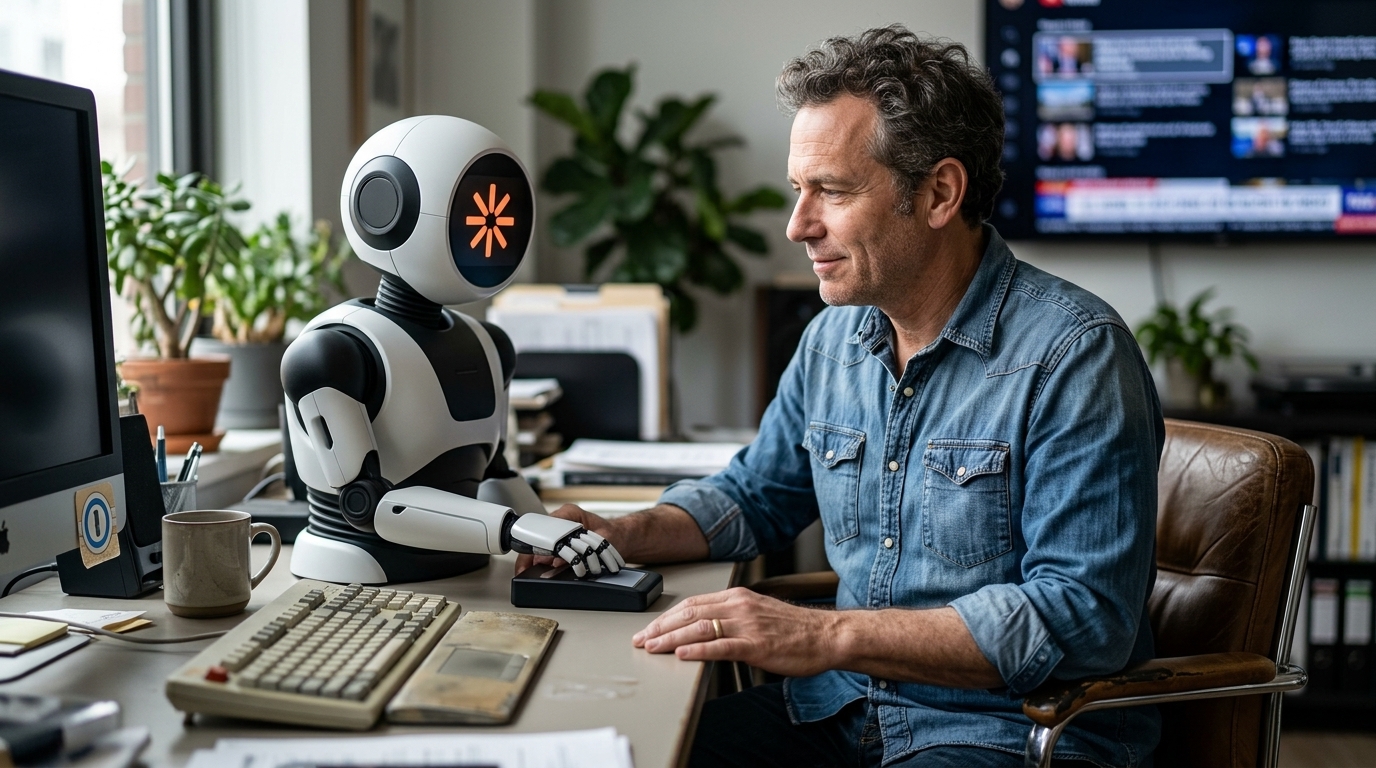
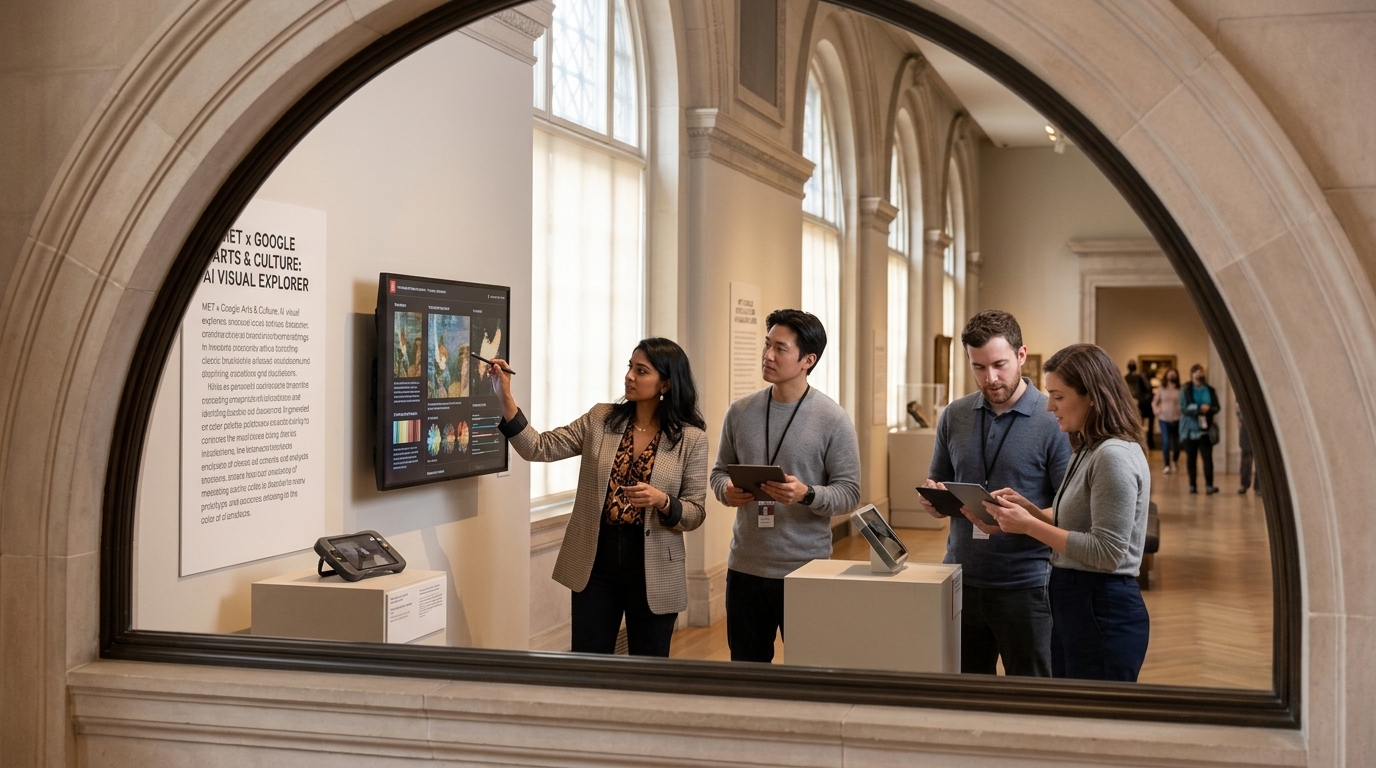
To address this, the state is implementing AI-driven platforms that allow students to practice speaking, writing, and comprehension without the constant presence of a human teacher. These tools leverage advanced Natural Language Processing (NLP) to provide instantaneous feedback, correcting pronunciation and grammar on the fly.
"AI is not replacing the teacher; it is giving the system the tools to manage the impossible," state Ministry officials.
Technology as a Digital Pedagogue
The application of AI in the classroom goes far beyond simple drills. These new systems are designed to function as personalized digital tutors. They can adjust the difficulty level based on an individual student’s performance, offering a bespoke learning experience that would be impossible to achieve in a traditional classroom of 30 or 40 students with a single teacher.
Furthermore, AI integration allows for continuous assessment. Rather than relying on high-stakes term exams, the system tracks a student's progress daily, identifying specific gaps and suggesting targeted exercises. This approach reduces exam anxiety and builds student confidence, as learners can progress at their own natural pace without fear of falling behind the rest of the class.
Pedagogical and Ethical Concerns
However, this transition is not without its detractors. Many educators and child psychologists express concerns regarding the loss of human connection. Teaching a language is not just about transmitting grammatical rules; it involves cultural nuance, empathy, and social interaction. Critics ask: Can a bot inspire a student the way a charismatic teacher can? Can an algorithm understand the emotional hurdles a child might face while learning?
There is also the pressing issue of the "digital divide." While schools in affluent areas may have the infrastructure to fully exploit these tools, peripheral or lower-income districts might struggle to keep up. While the Israeli government aims to provide equipment and free access across all sectors, the actual implementation of such a massive technological rollout remains a logistical and financial challenge.
The Future of Education
Israel’s initiative serves as a global-scale experiment. If successful, it will likely become a blueprint for other nations facing similar demographic and economic pressures in their education sectors. AI appears to be the "deus ex machina" saving the educational system from collapse, yet the balance between technology and human-centric learning remains the decade's most significant question.
- Personalized learning pathways for every student via AI algorithms.
- Reduced administrative and teaching load for the remaining staff.
- Real-time feedback on complex linguistic tasks like pronunciation.
- Potential risks of social alienation and the devaluation of the teaching profession.
Ultimately, the integration of AI in Israeli schools reminds us that technology is always a reflection of our societal needs. When a state fails to produce enough human teachers, code steps in to bridge the gap. The challenge lies in ensuring that the "soul" of education isn't lost within the binary of the algorithm.